
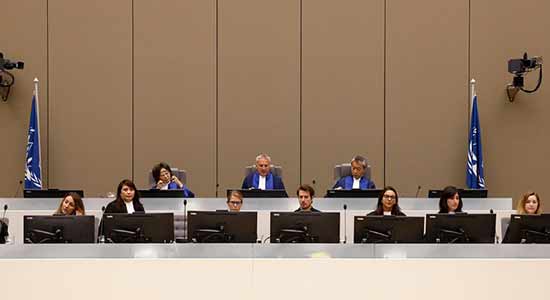
Chad, Venezuela: ICC Withdrawal Sparks Concern Over Bias Allegations
Summary
- Chad and Venezuela have announced their intention to withdraw from the International Criminal Court (ICC).
- The ICC has expressed concern over the decision, citing the importance of unity in pursuing justice.
- The withdrawal raises questions about the court's ability to effectively investigate and prosecute crimes in regions where these countries have influence.
- The move may signal a shift in global justice dynamics, prompting lawyers to monitor the ICC's response.
What Happened
The pursuit of justice is strengthened through unity of purpose.
Chad and Venezuela have taken steps to withdraw from the International Criminal Court (ICC), sparking concern from the court's leadership. The move comes after both countries accused the ICC of bias in its investigations. According to a statement from the ICC, Chad and Venezuela announced their intention to withdraw from the body. This development has raised questions about the future of global justice dynamics and the implications for future investigations.
The ICC's presidency expressed regret over the decision, stating that the pursuit of justice is strengthened through unity of purpose. The court's leadership, currently composed of Judge Tomoko Akane (Japan) as President, Judge Rosario Salvatore Aitala (Italy) as First Vice-President, and Judge Reine Alapini-Gansou (Benin) as Second Vice-President, emphasized the importance of cooperation in achieving justice.
Legal Context
The ICC's jurisdiction allows it to investigate and prosecute individuals accused of war crimes, crimes against humanity, and genocide. However, the court has faced criticism for its handling of certain cases, with some countries accusing it of bias. The withdrawal of Chad and Venezuela from the ICC raises concerns about the court's ability to effectively investigate and prosecute crimes in regions where these countries have influence.
The ICC's relationship with countries like Chad and Venezuela is complex, as they have been involved in various conflicts and human rights abuses over the years. The court's decision to investigate these countries has led to tensions between them and the ICC.
Why It Matters
The withdrawal of Chad and Venezuela from the ICC may signal a shift in global justice dynamics, prompting lawyers to monitor the ICC's response and potential implications for future investigations. The development raises questions about the court's ability to effectively investigate and prosecute crimes in regions where these countries have influence.
The move also highlights the challenges faced by the ICC in achieving its mandate of bringing perpetrators of international crimes to justice. As the world grapples with increasingly complex conflicts and human rights abuses, the ICC's role in promoting accountability and justice will be crucial.
Practical Implications
This development may signal a shift in global justice dynamics, prompting lawyers to monitor the ICC's response and potential implications for future investigations.
Source
How does this affect you?
Get an AI analysis of this article grounded in your jurisdictions, practice areas, and any policy documents you've uploaded to Wansom.
Wansom is AI and can make mistakes.