
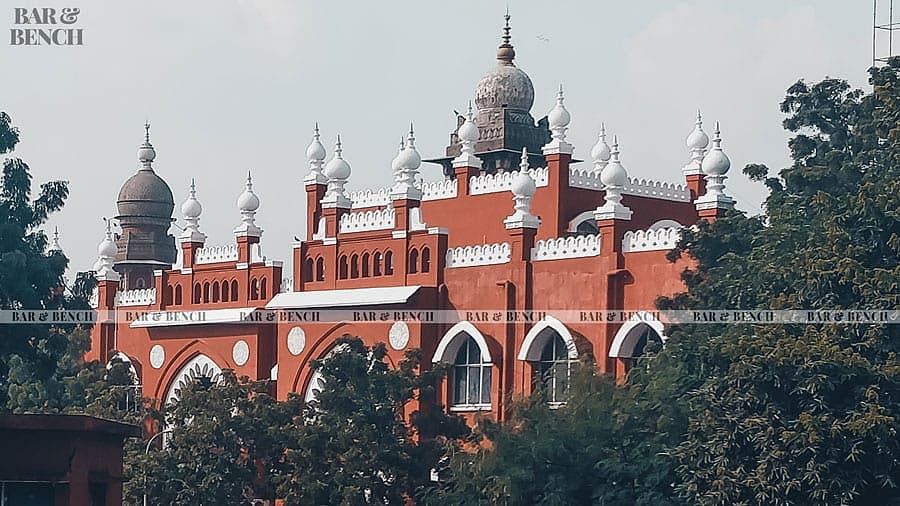
Madras High Court: Appoints 15 New Judges in August 2026
Summary
- The Central government has appointed 15 new judges to the Madras High Court.
- Eight advocates have been appointed as permanent judges, while seven judicial officers will serve as additional judges.
- The appointments aim to address the court's shortage of judges, with only 51 judges currently serving against a sanctioned strength of 75.
- The increase in judges may lead to faster case disposal and reduced backlogs at the Madras High Court.
New Appointments to Madras High Court
The Central government has appointed 15 new judges to the Madras High Court, with eight advocates appointed as judges and seven judicial officers appointed as additional judges.
The Central government has made significant changes to the Madras High Court's roster, appointing 15 new judges. This move is expected to have a substantial impact on the court's functioning and case timelines. The appointments include eight advocates who will serve as permanent judges and seven judicial officers who will take on additional judge roles. This development comes at a time when the Madras High Court is operating with only 51 judges, leaving a significant gap from its sanctioned strength of 75 judges.
Legal Context
The appointments were made in accordance with Article 217(1) of the Constitution of India, which grants the President the power to appoint judges to high courts. The President's decision was taken after consulting with the Chief Justice of India. This process ensures that the judiciary remains independent and impartial while also ensuring that the court has adequate strength to handle its workload. The Madras High Court's sanctioned strength of 75 judges is a crucial factor in determining the court's efficiency and ability to dispose of cases within a reasonable timeframe.
Why It Matters
The increase in the number of judges at the Madras High Court may have far-reaching implications for lawyers, litigants, and the judicial system as a whole. With more judges on board, the court's workload is expected to decrease, leading to faster case disposal and reduced backlogs. This development will also provide an opportunity for the court to focus on complex cases and deliver justice to those who have been waiting for years. As the Madras High Court continues to operate with a significantly lower number of judges than its sanctioned strength, it remains to be seen how this change will impact the court's functioning and the lives of those affected by its decisions.
Practical Implications
Lawyers should note the increase in the number of judges at the Madras High Court, which may impact case timelines and court backlogs.
Source
Source: Original reporting via Twitter
How does this affect your business?
Get an AI analysis of this article grounded in your jurisdictions, practice areas, and any policy documents you've uploaded to Wansom.
Wansom is AI and can make mistakes.