
CEEAC: Afrique Centrale Politique Énergétique 2035 Report Review
Summary
- A regional workshop in Bujumbura, Burundi, from September 23-25, 2026, is reviewing Central Africa's energy sector.
- Experts from CEEAC member states and technical partners are working to develop a Common Energy Policy for the sub-region.
- The policy aims to guide Central Africa's energy development through 2035, focusing on universal access.
- The workshop involves analyzing political, institutional, legal, and financial frameworks, governance, primary energy potential, and regional infrastructure.
- High-level CEEAC and national officials, including the AfDB, are engaged in the policy formulation process.
Developing a Regional Energy Strategy
Legal and compliance professionals, in particular, should closely monitor the evolution of this initiative.
From September 23 to 25, 2026, experts from the Economic Community of Central African States (CEEAC) and various technical partners will convene in Bujumbura, Burundi, for a critical regional workshop. The primary purpose of this gathering is to meticulously review and validate a comprehensive report detailing the current state of Central Africa's energy sector. This event, often referred to as the *Atelier énergie Bujumbura CEEAC*, marks a significant step towards formulating a unified energy strategy for the sub-region.
The overarching ambition of the participants is to transition from a diagnostic phase to the formal adoption of a cohesive Community Energy Policy. This strategic framework is envisioned to guide the energy landscape of Central Africa through to 2035, addressing existing challenges and leveraging future opportunities. The focus remains firmly on establishing a robust and shared vision for energy development across the CEEAC member states.
Comprehensive Sector Review
During the three-day workshop, delegates are tasked with undertaking an in-depth analysis of various critical components of the energy sector. This includes a thorough examination of the prevailing political, institutional, legal, and financial frameworks that govern energy operations within the region. Furthermore, discussions will delve into the intricacies of energy governance, assessing its effectiveness and identifying areas for improvement.
A key aspect of the review involves evaluating the sub-region's potential in primary energy sources, alongside the current level of their valorization. This encompasses a wide spectrum of resources, from traditional hydrocarbons to burgeoning renewable energies, hydroelectric power, and biomass. The state of regional infrastructure supporting these energy types will also come under scrutiny, providing a holistic understanding of the sector's strengths and weaknesses. This detailed assessment is fundamental to shaping the future *Cadre juridique énergie Afrique centrale*.
High-Level Engagement and Policy Formation
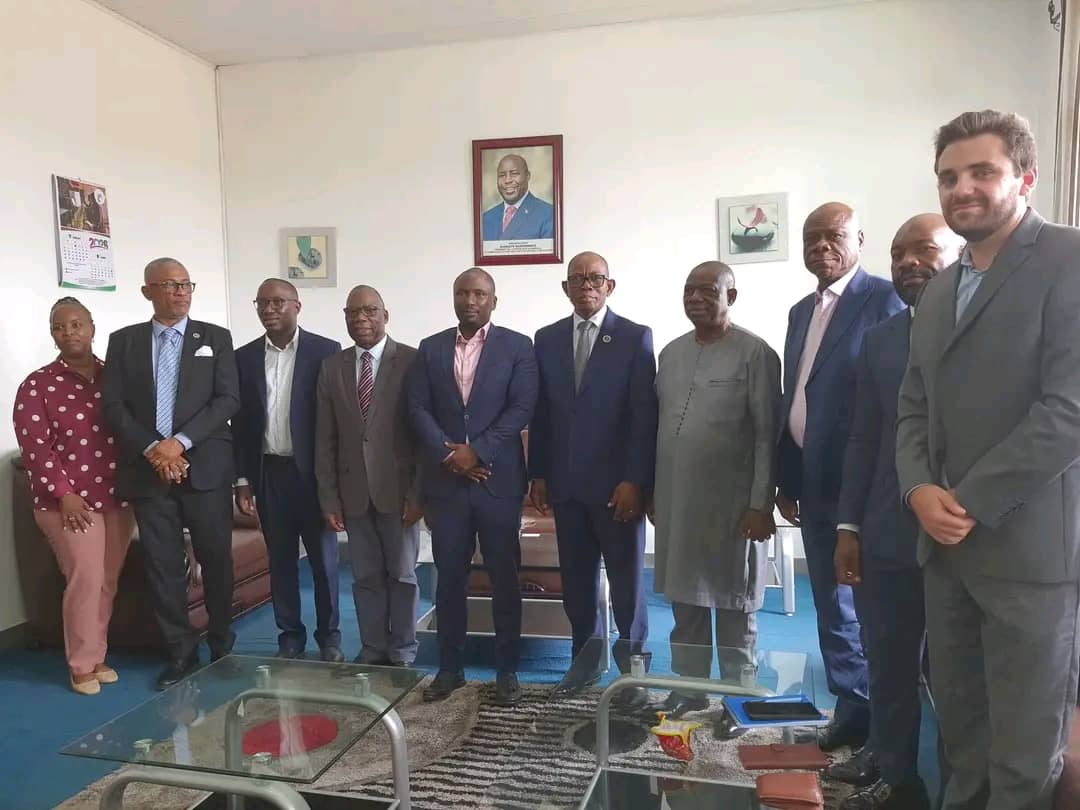
Prior to the main workshop proceedings, a delegation from the CEEAC Commission, led by its Director of Energy, Désiré Armand Ndemazagoa Backotta, engaged in high-level preliminary discussions. These meetings included receptions by Marcelino Nko Ruku, who heads the Burundi Liaison Office, as well as Dr. Hassan Kibeya, Burundi's Minister of Mineral Resources, Energy, Industry, Trade, and Tourism, and Mouna Diawara, Country Manager for Burundi for the African Development Bank (AfDB). Such engagements underscore the regional and international commitment to this initiative.
At the heart of these deliberations and the subsequent workshop is the imperative to move beyond mere identification of issues to the concrete establishment of a *CEEAC politique énergétique commune*. A central theme permeating all discussions is the critical goal of achieving universal access to energy across Central Africa. This ambitious objective aims to ensure that the benefits of a developed energy sector reach all citizens within the community.
The Vision for Central Africa's Energy Future
The ultimate aim of these concerted efforts is to lay the groundwork for a transformative *Afrique centrale politique énergétique 2035 CEEAC*. This forward-looking strategy is expected to introduce new regional regulatory frameworks and investment guidelines, fundamentally altering the landscape for energy projects and infrastructure development across the CEEAC member states. The development and eventual adoption of this policy will have far-reaching implications for business operations throughout the region.
Legal and compliance professionals, in particular, should closely monitor the evolution of this initiative. The forthcoming *Réglementation énergétique CEEAC* will likely establish new compliance requirements, necessitating a proactive approach to understanding and adapting to the evolving legal and operational environment. The workshop in Bujumbura represents a pivotal moment in defining the energy trajectory for Central Africa for the next decade and beyond.
Practical Implications
Lawyers and compliance officers should closely monitor the development and eventual adoption of this Common Energy Policy for Central Africa. It will likely introduce new regional regulatory frameworks, investment guidelines, and compliance requirements that will impact energy projects, infrastructure development, and business operations across CEEAC member states.
Source
How does this affect you?
Get an AI analysis of this article grounded in your jurisdictions, practice areas, and any policy documents you've uploaded to Wansom.
Finish Reading the Full Story and the Expert Analysis.
Get the latest legal & regulatory intelligence in Cameroon
Wansom is AI and can make mistakes.