
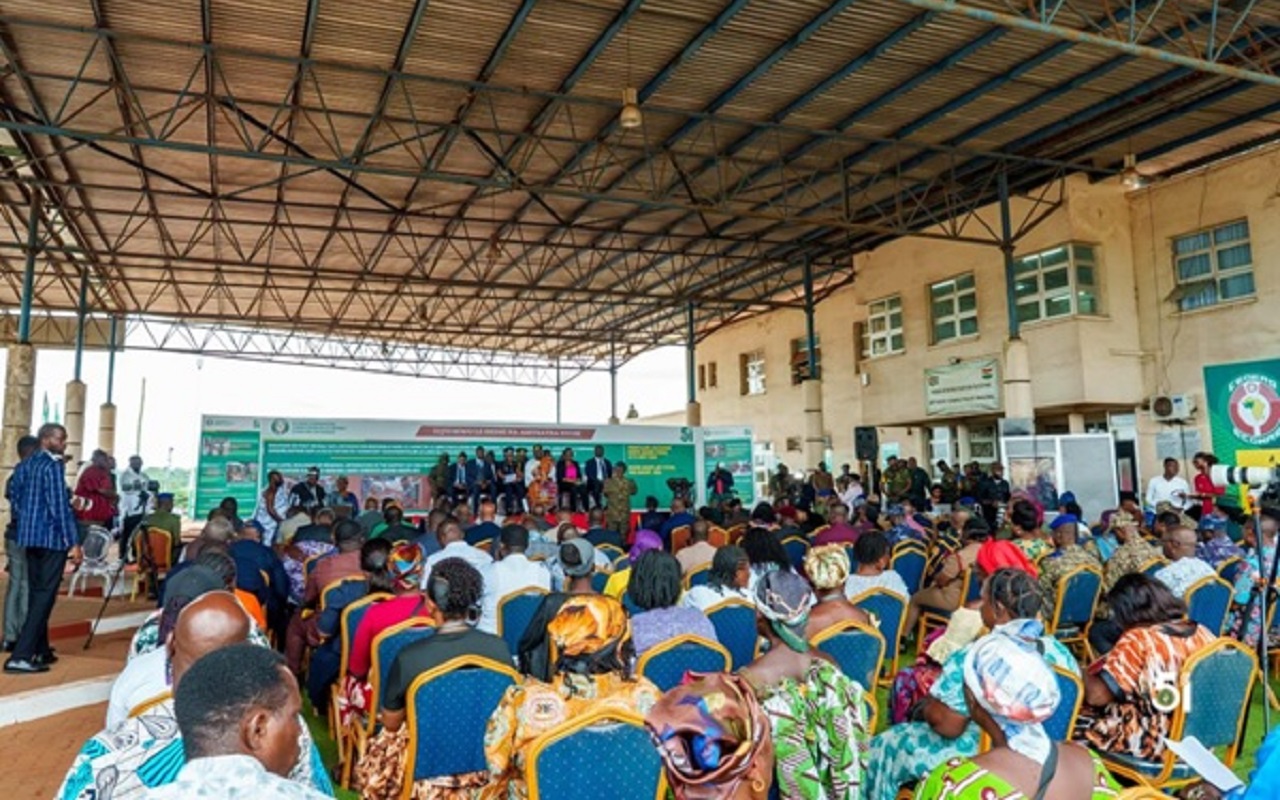
CEDEAO: Renforce Libre Circulation Personnes Biens pour 50ème Anniversaire
Summary
- ECOWAS is intensifying activities as it celebrates its 50th anniversary, focusing on its vision for a "CEDEAO of tomorrow."
- This vision aims for a more integrated community that is closer to its citizens.
- A core principle of this renewed focus is the free movement of persons and goods within the ECOWAS space.
- The initiatives underscore a commitment to deepening regional integration and fostering economic unity in West Africa.
Renewed Focus on Regional Integration
The ongoing efforts underscore a commitment to deepening the ties that bind West African nations.
The Economic Community of West African States (CEDEAO) is currently intensifying its activities, having recently celebrated its 50th anniversary in May 2025. This period of reflection and renewed focus was utilized to reinforce the organization's foundational principles and future aspirations, particularly concerning the free movement of persons and goods across its member states.
This renewed emphasis forms a core component of CEDEAO's overarching vision for a "CEDEAO of tomorrow." The initiative aims to foster a more cohesive and integrated regional bloc, ensuring that the benefits of cooperation are felt more directly by the citizens it serves. The ongoing efforts underscore a commitment to deepening the ties that bind West African nations.
The Vision for a Future ECOWAS
At the heart of the current strategic push is the concept of a "CEDEAO of tomorrow," which envisions a future where regional integration is not merely a policy objective but a lived reality for the populace. This forward-looking perspective seeks to bridge the gap between institutional mandates and the daily experiences of West African citizens, making the community more accessible and responsive to their needs.
The activities being undertaken are designed to align with this vision, promoting a more unified economic and social space. The aspiration is to build an ECOWAS that is not only robust in its institutional framework but also deeply connected to the aspirations and livelihoods of its people, thereby strengthening the collective identity and prosperity of the region. This commitment to a more integrated and citizen-centric future is a hallmark of the organization's 50th-anniversary commemorations.
Pillars of Free Movement and Economic Unity
A central tenet of the CEDEAO's mission, and a key focus during its 50th anniversary activities, was the principle of `libre circulation des personnes et des biens` within the community's geographical area. This fundamental right, enshrined in `Droit de la CEDEAO`, is seen as indispensable for achieving the broader goals of regional integration and economic development in West Africa. The ongoing initiatives are geared towards ensuring that this principle is effectively implemented and sustained.
Promoting `ECOWAS free movement goods persons` is not just about facilitating trade and travel; it is about fostering a sense of shared destiny and mutual benefit among member states. By removing barriers to movement, CEDEAO aims to unlock economic potential, encourage cultural exchange, and strengthen the bonds of solidarity across the region. This commitment is vital for realizing the full potential of `Intégration régionale Afrique de l'Ouest`.
Why This Vision Matters for West Africa
The renewed focus on the `CEDEAO 50ème anniversaire vision` for integration and free movement holds significant implications for the entire West African sub-region. By actively pursuing a more integrated and citizen-centric community, CEDEAO aims to enhance economic opportunities, improve security, and foster greater social cohesion among its diverse populations. This strategic direction is critical for addressing shared challenges and leveraging collective strengths.
Ultimately, the success of the "CEDEAO of tomorrow" vision hinges on the effective implementation of policies that support the free movement of people and goods, thereby transforming the region into a more dynamic and interconnected economic bloc. This commitment to deepening regional ties and bringing the community closer to its citizens represents a crucial step towards a more prosperous and stable West Africa, reinforcing the organization's enduring relevance on the continent.
Practical Implications
This article is a high-level announcement of ECOWAS's continued vision for free movement and regional integration, and as such, does not contain immediate specific actionable legal implications for lawyers or compliance officers.
Source
Source: Original reporting via Icilome
How does this affect you?
Get an AI analysis of this article grounded in your jurisdictions, practice areas, and any policy documents you've uploaded to Wansom.
Finish this article free. Just your email for instant unlock.
Wansom is AI and can make mistakes.