
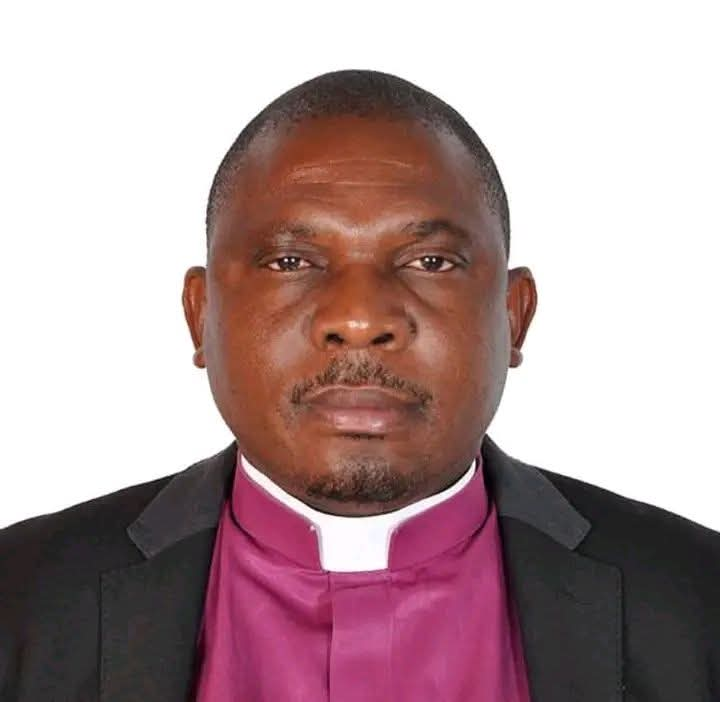
CCZ Zambia: Condemns Arbitrary Arrests, Political Intolerance
Summary
- The Council of Churches in Zambia (CCZ) has expressed alarm over political intolerance in the nation.
- The CCZ specifically highlighted concerns regarding arbitrary arrests and the selective application of legal statutes.
- These issues were raised by the organization during a recent press briefing.
- The Council of Churches in Zambia reaffirmed its commitment to promoting dialogue between the opposition and the ruling party.
Escalating Concerns Over Civic Freedoms
The specific mention of arbitrary arrests suggests a pattern where individuals may be detained without due process or sufficient legal grounds, raising serious questions about the protection of human rights.
The Council of Churches in Zambia (CCZ) has recently voiced significant apprehension regarding the state of fundamental freedoms within the nation. During a recent press briefing, the prominent religious body highlighted a troubling trend characterized by increasing political intolerance, a rise in arbitrary arrests, and the selective application of legal statutes across the country. These observations collectively paint a picture of a shrinking civic space, prompting calls for greater adherence to democratic principles.
The CCZ's statement underscores a perceived deterioration in the environment for political discourse and public participation. The specific mention of arbitrary arrests suggests a pattern where individuals may be detained without due process or sufficient legal grounds, raising serious questions about the protection of human rights. Furthermore, the concern about the selective application of the law implies that legal frameworks might be wielded in a biased manner, potentially targeting specific groups or individuals, which can undermine public trust in the justice system.
Impact on Rule of Law and Human Rights
The issues identified by the Council of Churches in Zambia—political intolerance, arbitrary arrests, and the selective application of the law—are critical indicators of potential challenges to the rule of law. When political intolerance prevails, it can stifle dissent and limit the ability of citizens and opposition parties to express their views freely, which is a cornerstone of any democratic society. Such an environment can lead to a chilling effect, where individuals self-censor to avoid repercussions.
Arbitrary arrests directly infringe upon an individual's right to liberty and security, fundamental tenets of international human rights law. These actions can create a climate of fear and uncertainty, discouraging civic engagement and activism. Coupled with the selective application of the law, where legal provisions are enforced disproportionately or unfairly, it suggests a system that may not treat all citizens equally before the law, further eroding confidence in judicial impartiality and fairness. This situation demands careful scrutiny from legal professionals advising clients involved in civil society or political activities.
A Call for Sustained Dialogue
Amidst these pressing concerns, the Council of Churches in Zambia has reiterated its unwavering commitment to fostering constructive engagement. The organization specifically reaffirmed its dedication to promoting dialogue as a crucial mechanism for resolving tensions and addressing the country's challenges. This commitment is directed towards facilitating discussions between the opposition parties and the ruling party.
The CCZ's emphasis on dialogue highlights its belief that open communication and negotiation are essential pathways to de-escalate political friction and find common ground. In a context marked by intolerance and legal inconsistencies, such dialogue could serve as a vital channel for addressing grievances, ensuring accountability, and working towards a more inclusive and just society. The church council's role as a neutral convener in such discussions is seen as pivotal for bridging divides and fostering national cohesion.
Practical Implications
Lawyers should advise clients, particularly those involved in civil society or political activities in Zambia, on the heightened risk of arbitrary arrests and potential for politically motivated legal actions. This development necessitates a review of litigation strategies and risk assessments concerning fundamental rights and due process.
Source
Source: Original reporting via The Mast
How does this affect you?
Get an AI analysis of this article grounded in your jurisdictions, practice areas, and any policy documents you've uploaded to Wansom.
Finish Reading the Full Story and the Expert Analysis.
Get the latest legal & regulatory intelligence in Zambia
Wansom is AI and can make mistakes.