
CCZ Warns LCC Public Gatherings Notice Unfairly Targets Churches
Summary
- The Lusaka City Council (LCC) issued a notice on May 29, 2024, warning against public gatherings without permission, specifically mentioning churches, bars, and night clubs.
- The Council of Churches in Zambia (CCZ) expressed surprise and concern, with General Secretary Rev James Phiri stating the notice unfairly targeted churches.
- Rev Phiri characterized the LCC's action as "unfair" and "discriminatory," questioning why daily operating establishments like bars were not similarly highlighted.
- LCC Public Relations Manager Chola Mwamba clarified that the notice applied to all public gatherings, citing increased noise pollution and public health concerns from residents' complaints.
- The LCC intends to enforce the Public Health Act and Statutory Instrument No. 12 of 2018 to ensure compliance with public gathering regulations.
What Happened
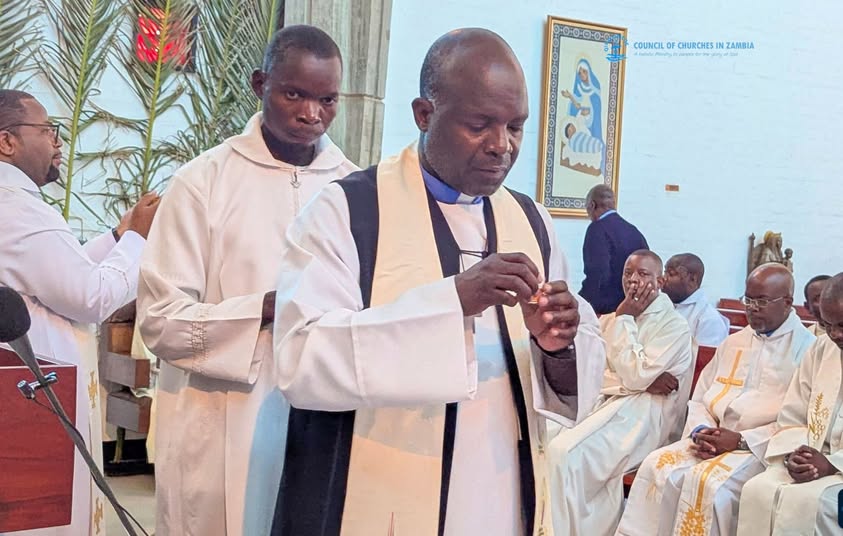
Rev James Phiri, General Secretary of the CCZ, voiced the organization's dismay, suggesting that singling out churches in this manner could have severe repercussions, potentially undermining the very fabric of Christianity within the country.
The Lusaka City Council (LCC) recently issued a public notice on May 29, 2024, cautioning against unauthorized public gatherings and specifically naming churches, bars, and night clubs as examples requiring permission from the local authority. This directive quickly drew a strong reaction from the Council of Churches in Zambia (CCZ), which expressed considerable surprise and concern over what it perceived as a targeted action.
Rev James Phiri, General Secretary of the CCZ, voiced the organization's dismay, suggesting that singling out churches in this manner could have severe repercussions, potentially undermining the very fabric of Christianity within the country. He emphasized that religious institutions should not be subjected to differential treatment compared to other entities.
In response to the CCZ's public statements, LCC Public Relations Manager Chola Mwamba clarified that the notice was not exclusively aimed at churches but was a general reminder applicable to all public gatherings. Mwamba indicated that the council had observed a notable increase in various public assemblies, particularly within residential areas, leading to issues such as noise pollution and public health concerns.
Regulatory Context and Justification
The LCC's notice is grounded in existing legal provisions, specifically the Public Health Act and Statutory Instrument No. 12 of 2018. These regulations empower the local authority to manage and control public gatherings to safeguard community well-being. The council stated its intention to take decisive action against any individuals or organizations found to be in violation of these statutes.
Allegations of Discriminatory Enforcement
Despite the LCC's clarification, Rev Phiri maintained that the notice felt "unfair" and "discriminatory" towards churches. He pointed out that churches typically convene only a few times each week, questioning why establishments like bars and night clubs, which operate on a daily basis, were not subjected to similar, seemingly targeted warnings.
The CCZ General Secretary urged the LCC to adopt a more collaborative approach, advocating for engagement and dialogue with religious organizations rather than issuing stern warnings. Rev Phiri highlighted the long-standing presence and operational history of churches in Zambia without significant prior issues, asserting their role as vital partners in national development and contributors to the country's overall peace and stability.
Broader Implications for Public Gatherings
This dispute between the Council of Churches in Zambia and the Lusaka City Council underscores a delicate balance between local governance and the rights of religious and community organizations to assemble. The CCZ's strong warning about the potential destruction of Christianity, while perhaps hyperbolic, reflects deep-seated concerns about perceived overreach or discriminatory application of regulations.
For entities involved in public gatherings, particularly religious organizations, this incident signals the importance of closely monitoring the enforcement practices of local authorities. The perception of discriminatory application, even if unintended, can lead to significant friction and potential legal challenges, highlighting the need for clear, consistent, and equitable implementation of Zambia's public gathering regulations.
Practical Implications
Lawyers advising religious organizations or entities involved in public gatherings in Zambia should monitor the Lusaka City Council's enforcement of public gathering regulations, as this dispute indicates potential for discriminatory application and legal challenges against such notices.
Source
How does this affect you?
Get an AI analysis of this article grounded in your jurisdictions, practice areas, and any policy documents you've uploaded to Wansom.
Finish Reading the Full Story and the Expert Analysis.
Get the latest legal & regulatory intelligence in Zambia
Wansom is AI and can make mistakes.