
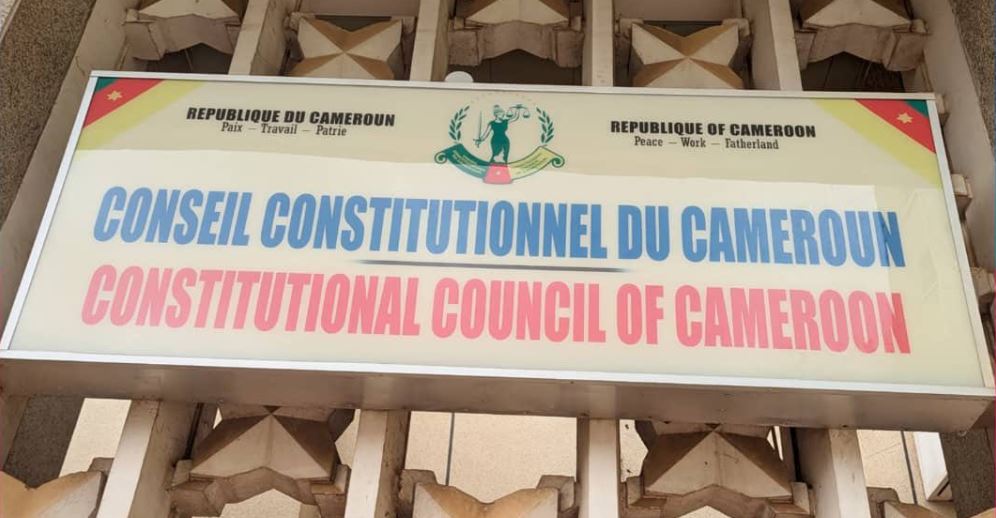
Cameroun: National Assembly Begins Conseil Constitutionnel Nominations
Summary
- The Constitutional Council of Cameroon faces two vacancies, including its presidency, due to recent deaths.
- President Clément Atangana passed away on October 4, 2026, and member Bah Oumarou Sanda died on August 7, 2026.
- The National Assembly's Bureau met on October 12, 2026, to designate a replacement for Bah Oumarou Sanda, in accordance with Article 51 of the Constitution.
- The President of the National Assembly will designate one member, whose name will then be transmitted to the President of the Republic for formal appointment by decree.
- These upcoming nominations are crucial for the future composition and interpretive direction of Cameroon's Constitutional Council.
Recent Developments and Vacancies
Lawyers practicing constitutional, administrative, or electoral law in Cameroon should monitor these upcoming nominations to the Constitutional Council closely, as the appointment of new members, including the President, will shape the composition and potentially the interpretive direction of this critical body, impacting future rulings and legal precedents relevant to client cases.
The Constitutional Council of Cameroon is currently undergoing a significant period of transition following the recent passing of two of its key members. The nation is preparing for crucial appointments to fill these vacancies, which include the presidency of the esteemed body. This process, central to the Cameroun nomination Conseil constitutionnel, is now actively underway.
The first vacancy arose with the death of Councillor Bah Oumarou Sanda on August 7, 2026. This was followed by the passing of the Council's President, Clément Atangana, on October 4, 2026. These events have necessitated immediate action to ensure the continued functioning and full composition of the institution responsible for upholding the nation's constitutional integrity. The process of Bah Oumarou Sanda remplacement and the subsequent Clément Atangana succession are now at the forefront of the national legal agenda.
Constitutional Framework for Appointments
In response to these developments, the Bureau of the National Assembly convened on Monday, October 12, 2026, to address one aspect of the appointment process. The meeting, chaired by the President of the lower house of parliament, focused specifically on the designation of a new member to fill the seat left vacant by Bah Oumarou Sanda. This action aligns directly with the provisions outlined in Article 51 of the Constitution of Cameroon.
Article 51, paragraph 2, of the Constitution Cameroun stipulates that the President of the National Assembly is responsible for designating three members of the Constitutional Council, following consultation with the Bureau. Furthermore, Article 51, paragraph 3, specifically addresses the procedures for succession in the event of a member's death. A communication released by the National Assembly after the October 12 meeting confirmed that the session was primarily dedicated to this matter, with the President of the National Assembly obtaining the Bureau's opinion and exercising his full authority to designate the required member for the Assemblée nationale Conseil constitutionnel.
The Path Forward for Appointments
Once the designation by the President of the National Assembly is complete, the name of the newly selected member will be forwarded to the President of the Republic. It is the President of the Republic who holds the ultimate power to formally appoint the individual through a presidential decree. This multi-stage process underscores the collaborative yet distinct roles of different state institutions in ensuring the proper functioning of the Constitutional Council.
The current vacance Conseil constitutionnel Cameroun presents a critical juncture for the country's legal landscape. The upcoming nominations, particularly for the presidency, will significantly shape the future direction and interpretive approach of this vital judicial body. Lawyers practicing constitutional, administrative, or electoral law in Cameroon should monitor these upcoming nominations to the Constitutional Council closely, as the appointment of new members, including the President, will shape the composition and potentially the interpretive direction of this critical body, impacting future rulings and legal precedents relevant to client cases.
Practical Implications
Lawyers practicing constitutional, administrative, or electoral law in Cameroon should monitor these upcoming nominations to the Constitutional Council closely. The appointment of new members, including the President, will shape the composition and potentially the interpretive direction of this critical body, impacting future rulings and legal precedents relevant to client cases.
Source
How does this affect you?
Get an AI analysis of this article grounded in your jurisdictions, practice areas, and any policy documents you've uploaded to Wansom.
Finish Reading the Full Story and the Expert Analysis.
Get the latest legal & regulatory intelligence in Cameroon
Wansom is AI and can make mistakes.