
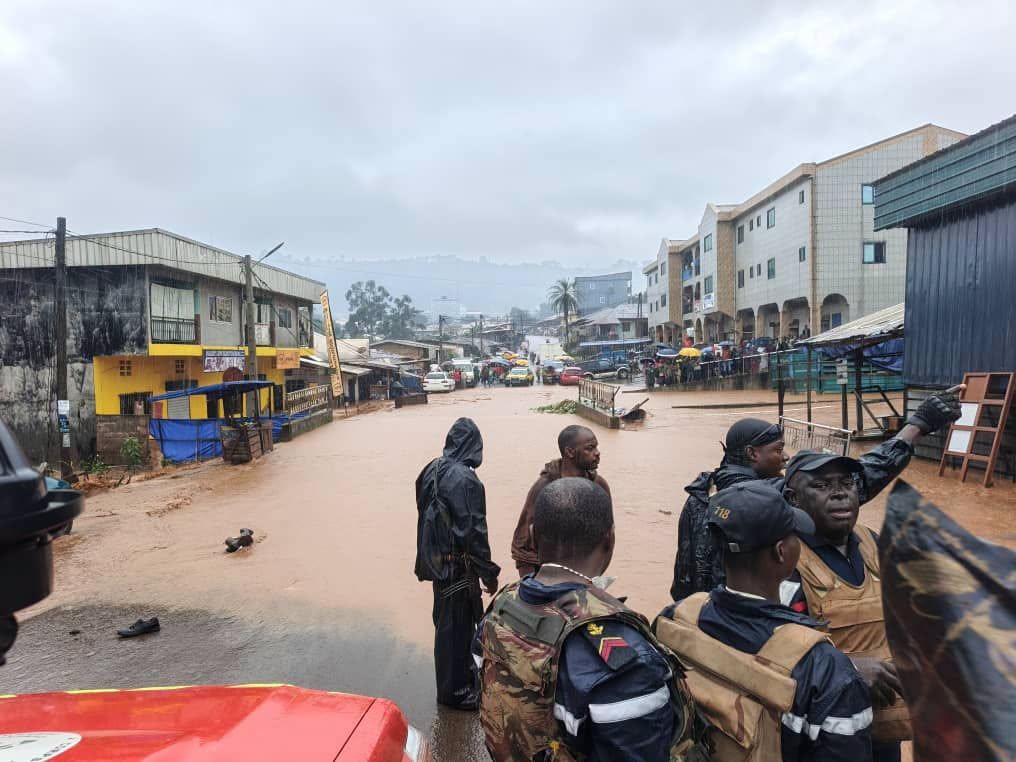
Cameroon: Minister Issues 6 Urban Planning Flood Prevention Measures for Bamenda
Summary
- Cameroon's former Minister of Housing and Urban Development, Célestine Ketcha Courtes, had issued urgent directives for flood prevention in Bamenda.
- The former Minister attributed increased flood risks to irresponsible behaviors by the population and called for adherence to six key preventive measures.
- These measures include respecting urban planning rules, avoiding construction in flood-prone areas, and securing all necessary building permits.
- Strict maintenance of drainage systems and a prohibition on dumping waste into watercourses are also mandated.
- The directives highlight a heightened focus on regulatory compliance for urban development in the North-West region to mitigate climate change effects.
Urgent Call for Flood Prevention in Bamenda
For all actors involved in real estate and infrastructure development within Bamenda and the broader North-West region, these pronouncements underscore an era of increased scrutiny.
The city of Bamenda, serving as the regional capital of Cameroon's North-West, has recently faced significant challenges due to abundant rainfall, leading to widespread flooding and other adverse environmental impacts. In response to these recurring issues, Célestine Ketcha Courtes, the former Minister of Housing and Urban Development, had issued a direct appeal to the city's residents and all relevant stakeholders, urging them to adopt responsible practices to mitigate the risks of rising waters and impeded drainage.
The former Minister specifically highlighted that certain irresponsible behaviors by the population are exacerbating the flood risks, making the region more vulnerable to the effects of climate change. Her intervention underscored a critical need for collective action to prevent further damage and ensure public safety. The directive emphasized that proactive engagement from all parties is essential for effective flood prevention in Bamenda.
This urgent call to action by former Minister Ketcha Courtes was not merely a recommendation but a firm reminder of the existing regulations designed to protect urban areas from environmental hazards. It signaled a heightened focus on compliance with established urban planning and construction standards, particularly in regions prone to heavy precipitation and subsequent flooding.
Key Regulatory Directives for Urban Development
To address the persistent flood challenges, former Minister Célestine Ketcha Courtes outlined six critical preventive measures that must be regularly observed. These directives are central to Cameroon urban planning flood prevention Bamenda and aim to instill a culture of adherence to established norms. Firstly, all inhabitants and developers are mandated to strictly respect urban planning rules, including adherence to land occupation plans, setback margins, drainage corridors, and road rights-of-way. This foundational requirement ensures that development proceeds in an organized and sustainable manner.
Secondly, a clear prohibition is in place against constructing in high-risk areas such as flood-prone zones, wetlands, drainage channels, and along riverbanks. This measure directly targets the avoidance of Cameroon construction permits flood zones, which are inherently dangerous. Thirdly, obtaining all necessary authorizations is a prerequisite before commencing any construction or development project, reinforcing the need for formal approval and oversight in the North-West region urban development regulations.
Furthermore, the directives emphasize environmental compliance Cameroon construction through proper waste management. This includes the fourth measure, which requires maintaining gutters, culverts, drainage channels, and watercourses free from household waste and construction debris. Finally, the fifth and sixth measures explicitly prohibit the dumping of any waste into these vital water systems, ensuring that natural and artificial drainage infrastructure remains unobstructed and functional, thereby enhancing Bamenda land use planning rules.
Implications for Compliance and Accountability
The comprehensive set of Célestine Ketcha Courtes flood measures reflects a serious commitment from the Ministry of Housing and Urban Development to enforce existing regulations and improve urban resilience in the North-West region. These directives serve as a crucial reminder that urban development must proceed with meticulous attention to environmental impact and regulatory compliance, particularly in areas susceptible to natural disasters like flooding.
For all actors involved in real estate and infrastructure development within Bamenda and the broader North-West region, these pronouncements underscore an era of increased scrutiny. Non-compliance with urban planning and construction regulations, including those related to proper waste management and building in designated flood zones, will likely face stringent enforcement. This focus aims to foster sustainable urban growth while protecting communities from the devastating consequences of inadequate planning and irresponsible practices.
Practical Implications
This article serves as a reminder of the heightened scrutiny on compliance with urban planning and construction regulations in Cameroon's North-West region, particularly concerning flood prevention. Lawyers should advise clients involved in real estate or infrastructure development to meticulously review and adhere to land use plans, obtain all necessary permits, and ensure proper waste management to avoid legal liabilities and project disruptions.
Source
How does this affect you?
Get an AI analysis of this article grounded in your jurisdictions, practice areas, and any policy documents you've uploaded to Wansom.
Wansom is AI and can make mistakes.