
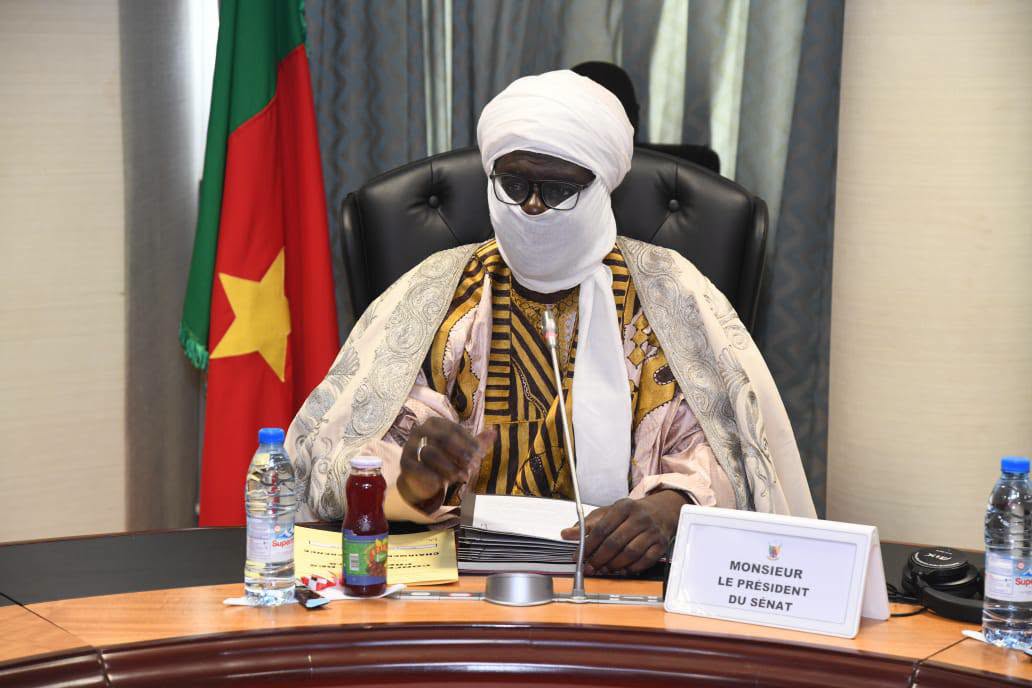
Cameroon Parliament: Budget Session to Begin November 10
In Cameroon, the third and final ordinary parliamentary session for the 2026 legislative year, primarily focused on the adoption of the state budget, was officially convened to begin on November 10, 2026, by an order issued by the President of the Senate on October 12, 2026. This announcement, made concurrently with the President of the Republic's release of the budget preparation circular, sets the stage for a critical period of legislative activity centered on the nation's financial framework for the upcoming year.
This parliamentary session holds significant legal and economic importance, as it is constitutionally mandated to examine and adopt the "loi de finances" (finance law) for the 2027 fiscal year and the "loi de règlement" (settlement law) for 2026. The adoption of the finance law is paramount, as it dictates government spending, revenue collection, and economic policy for the entire year, directly impacting all sectors of the economy and public services. For legal practitioners and businesses, the outcomes of this session will shape the regulatory and fiscal environment, influencing investment decisions, operational costs, and market opportunities.
The legal context for this session is grounded in Cameroon's constitutional framework, which vests legislative power, including the power to vote on the state budget, in the Parliament (comprising the Senate and the National Assembly). The convening of ordinary sessions is governed by specific articles of the Constitution and the internal rules of each parliamentary chamber. The "loi de finances" is the primary legal instrument for annual budget allocation, while the "loi de règlement" provides an ex-post review of the previous year's budget execution, ensuring accountability. The President of the Republic's budget circular, issued on the same day, provides the executive's strategic orientations, which Parliament will then scrutinize and potentially amend during the legislative process.
Key parties involved include the President of the Senate, S.M Aboubakary Abdoulaye, who issued the convening order, the members of the Senate and the National Assembly who will debate and vote on the budget, and the President of the Republic, Paul Biya, who sets the initial budget orientations. The government, whose actions are subject to parliamentary control and whose budget proposals are under review, is also a central player. Practitioners should closely follow the parliamentary debates, committee hearings, and the final text of the 2027 Finance Law for any changes in tax regimes, public spending priorities, sector-specific regulations, or economic incentives. Advising clients on the implications of these budgetary decisions for their operations, compliance obligations, and strategic planning will be crucial during and after this session.
How does this affect you?
Get an AI analysis of this article grounded in your jurisdictions, practice areas, and any policy documents you've uploaded to Wansom.
Finish Reading the Full Story and the Expert Analysis.
Get the latest legal & regulatory intelligence in Cameroon
Wansom is AI and can make mistakes.