
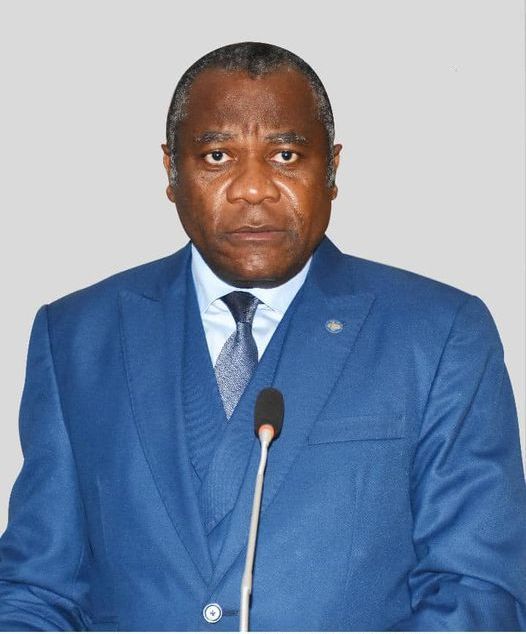
Cameroon Human Rights Commission Denounces Electoral Inequality Obstacles
The Cameroon Human Rights Commission, in a statement dated November 21, 2026, denounced obstacles hindering the equal treatment of candidates in the preparation of their application files for the legislative and municipal elections scheduled for February 7, 2027, and called upon the relevant administrations to address these issues.
This intervention by a national human rights body highlights serious concerns about the fairness and transparency of the electoral process in Cameroon, potentially undermining democratic principles and the right to political participation. For legal professionals, it signals potential grounds for electoral challenges, administrative law disputes, and advocacy for electoral reforms, emphasizing the importance of equal access to public services for all political actors. The Commission's public denunciation adds significant pressure on public administrations to rectify discriminatory practices.
The legal context primarily involves electoral law, administrative law, and human rights law. The Commission's denunciation implicitly refers to constitutional principles of equality and non-discrimination, as well as international human rights instruments ratified by Cameroon, such as the International Covenant on Civil and Political Rights, which guarantee the right to participate in public affairs and to equal access to public service. The specific issues raised, such as difficulties in obtaining birth certificates, residency attestations, or certification of documents, point to potential breaches of administrative due process and the proper functioning of public services, which are critical for ensuring a level playing field in elections.
The key parties involved are the Cameroon Human Rights Commission, which issued the denunciation; candidates for the legislative and municipal elections, including those from various political parties such as the MRC, PCRN, SDF, FDC, and the ruling RDPC; and various public administrations, including tax services, police, and civil registration offices, which are accused of creating the obstacles. The statement specifically targets the practices of these administrations.
Attorneys advising political parties, candidates, or civil society organizations in Cameroon should closely monitor the response of public administrations to the Commission's denunciation. They should be prepared to assist clients in navigating administrative hurdles, meticulously documenting instances of unequal treatment, and potentially initiating legal challenges based on electoral law or administrative law principles. This situation underscores the critical role of legal professionals in safeguarding electoral integrity and ensuring fundamental rights are upheld during election periods, and highlights the need for robust internal compliance within public administrations to prevent discriminatory practices.
How does this affect you?
Get an AI analysis of this article grounded in your jurisdictions, practice areas, and any policy documents you've uploaded to Wansom.
Finish Reading the Full Story and the Expert Analysis.
Get the latest legal & regulatory intelligence in Cameroon
Wansom is AI and can make mistakes.