
Cameroon Hosts Regional Experts on Land Governance Reform
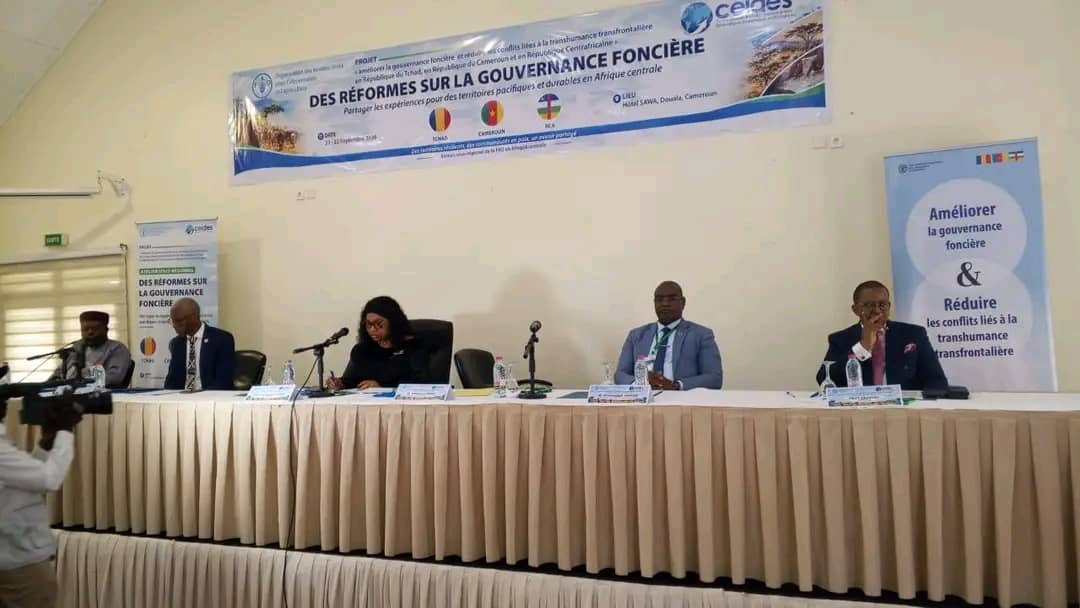
Experts from Cameroon, Chad, and the Central African Republic (CAR) convened in Douala, Cameroon, starting September 21, 2026, for a three-day workshop to discuss and reform land governance in Central Africa, specifically addressing conflicts arising from transhumance.
This regional initiative holds significant legal and socio-economic importance, signaling a concerted effort to tackle a pervasive source of conflict and instability in Central Africa. Improved land governance, particularly in the context of cross-border transhumance, has the potential to foster more equitable land access, reduce inter-community violence between farmers and herders, and contribute to regional stability and food security. For legal professionals, this workshop is a precursor to potential legislative and regulatory reforms in land law, property rights, and dispute resolution mechanisms across these jurisdictions, which could redefine land tenure, pastoralist rights, and environmental management.
The legal context for these discussions is complex, involving national land codes, property laws, and customary land tenure systems within each country, often exacerbated by the cross-border nature of transhumance. The involvement of the FAO and CEIDES suggests an emphasis on international best practices for land tenure and conflict resolution, potentially leading to harmonized regional approaches or model laws. The focus on conflicts stemming from transhumance highlights the intersection of land law, environmental law (given climate change impacts), and administrative law concerning land allocation and management. The stated objective to identify “concrete solutions for more inclusive and sustainable land governance” implies a move towards robust, legally sound frameworks that can prevent and resolve land-related disputes.
Key parties participating in this critical dialogue include governmental experts from Cameroon, Chad, and the Central African Republic, representing their respective ministries responsible for land affairs. The workshop is being held under the auspices of the Food and Agriculture Organization of the United Nations (FAO), with Dr. Antonio Querido as its representative in Cameroon, and the African Centre for International, Diplomatic, Economic and Strategic Studies (CEIDES). The Ministry of Domains, Cadastre and Land Affairs (MINDCAF) of Cameroon is also a significant stakeholder, underscoring the national commitment to these reforms.
Attorneys practicing in land law, environmental law, or international development within Cameroon, Chad, and CAR should closely monitor the outcomes and recommendations emanating from this workshop. While the specific outcomes of the three-day deliberations are not yet reported, they are expected to inform future policy and legislative developments. Businesses involved in agriculture, real estate, infrastructure development, or natural resource extraction in these regions should anticipate potential shifts in land use regulations, property rights, and conflict resolution frameworks. Understanding the evolving legal landscape around land governance, especially concerning communal rights and transhumance, will be essential for risk assessment, due diligence, and strategic investment planning.
How does this affect you?
Get an AI analysis of this article grounded in your jurisdictions, practice areas, and any policy documents you've uploaded to Wansom.
Finish Reading the Full Story and the Expert Analysis.
Get the latest legal & regulatory intelligence in Cameroon
Wansom is AI and can make mistakes.