
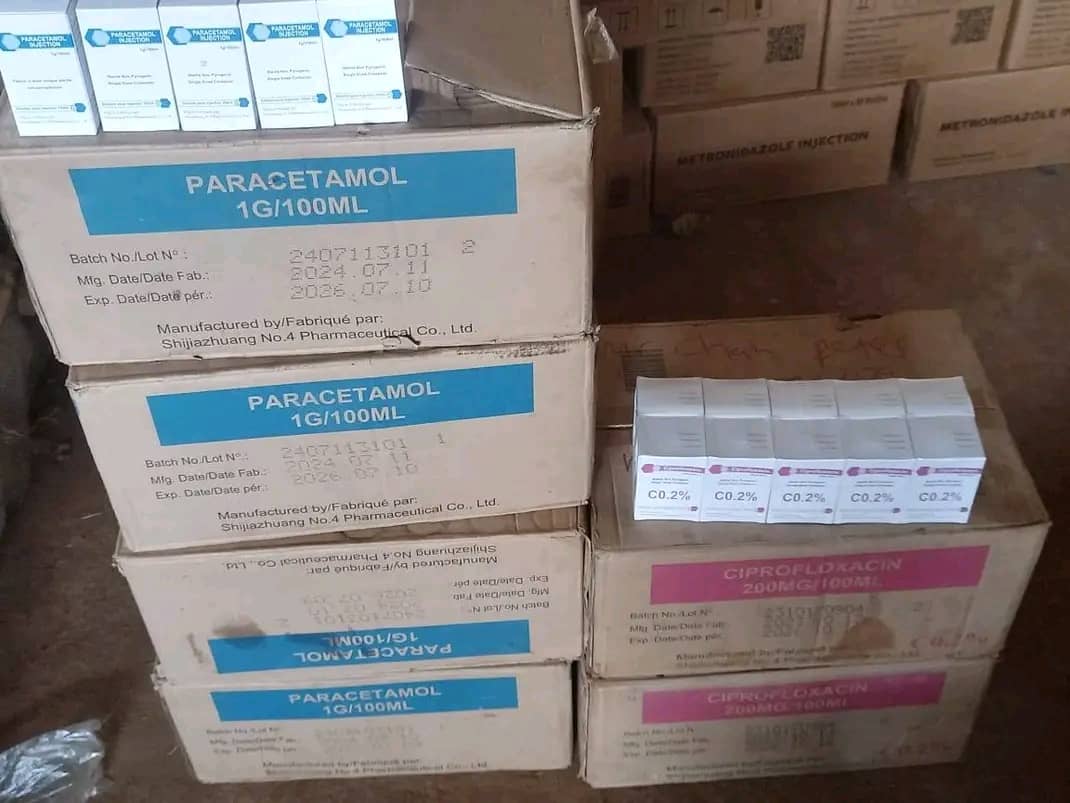
Cameroon Customs: Reports 131 Seizures in Anti-Trafficking Operation
Operation CRIPHARM XI, a joint initiative coordinated by the World Customs Organization for West and Central Africa (WCO-WCA), resulted in 773 seizures of illicit products, predominantly medicines (71.80%), across 17 customs administrations in West and Central Africa, with Cameroon ranking third in cases (41) but first in the volume of seizures (131). This significant enforcement action, which saw a substantial increase in both cases and seizures compared to the previous Operation CRIPHARM X, underscores the persistent and escalating challenge of illicit pharmaceutical trafficking across the region.
The legal significance of Operation CRIPHARM XI is profound, highlighting the critical public health and safety risks posed by counterfeit and substandard medicines, as well as the robust, coordinated efforts by regional customs authorities to combat this transnational crime. The operation's success in identifying and seizing a large volume of illicit products demonstrates an enhanced capacity for inter-agency cooperation and intelligence sharing among participating customs administrations. For legal practitioners, this signals a heightened enforcement environment, necessitating stricter compliance measures for businesses involved in the pharmaceutical supply chain and cross-border trade.
The legal context for such operations involves a complex interplay of national customs laws, public health regulations, and international conventions aimed at combating organized crime and illicit trade. Participating countries, including Cameroon, operate under their respective customs codes, which grant powers of search, seizure, and prosecution for prohibited goods. Regionally, the World Customs Organization facilitates cooperation and capacity building, aligning national efforts with international best practices. The focus on "criminalité pharmaceutique" implicates statutes related to intellectual property infringement, consumer protection, and criminal offenses associated with the manufacturing, distribution, and sale of dangerous or fraudulent health products.
Key parties involved in this operation include the World Customs Organization for West and Central Africa (OMD-AOC) as the coordinating body, and the 17 customs administrations from the participating countries, notably Cameroon, the Central African Republic, and Nigeria, which were prominent in the reported statistics. Practitioners advising pharmaceutical companies, distributors, healthcare providers, or logistics firms operating in West and Central Africa must recognize the intensified regulatory scrutiny and enforcement risks. They should ensure that clients have robust compliance programs, conduct thorough due diligence on supply chain partners, and are fully aware of national and international regulations pertaining to pharmaceutical products to mitigate legal liabilities and reputational damage.
How does this affect you?
Get an AI analysis of this article grounded in your jurisdictions, practice areas, and any policy documents you've uploaded to Wansom.
Finish Reading the Full Story and the Expert Analysis.
Get the latest legal & regulatory intelligence in Cameroon
Wansom is AI and can make mistakes.