
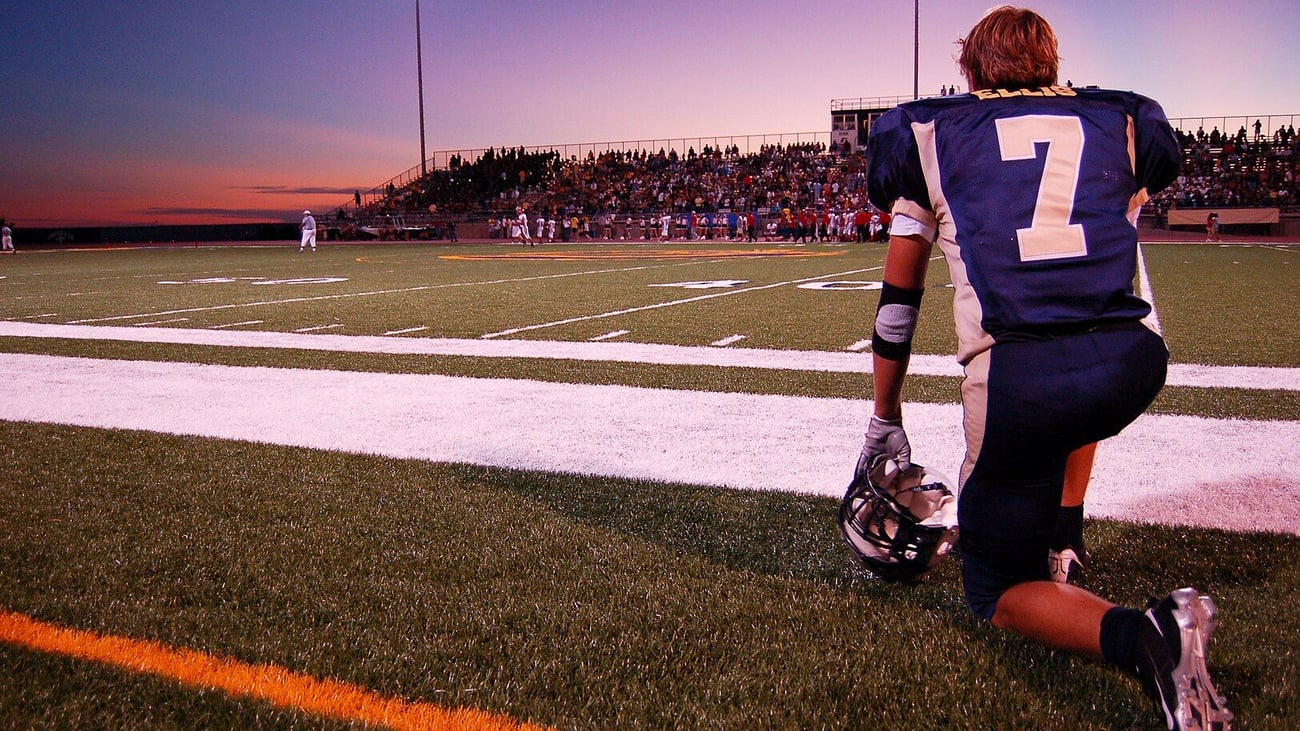
California High School Athletes Lose Antitrust Case Over NIL Licensing
Summary
- A California federal court dismissed an antitrust case brought by high school athletes seeking licensing payments for their name, image, and likeness rights.
- The court found that the plaintiffs failed to establish a plausible market for their NIL rights, which is a crucial element in an antitrust case.
- The dismissal has significant implications for California high schools and their sports programs, particularly regarding compliance with the state's right-of-publicity statute.
California High School Athletes' Antitrust Case Dismissed
However, even this rule was ultimately found to be immune from federal antitrust challenges.
A recent court ruling has dealt a significant blow to California high school athletes seeking licensing payments for their name, image, and likeness rights. The case, which had been ongoing since 2022, was dismissed by U.S. Magistrate Judge Laurel Beeler on Thursday. The plaintiffs, led by Patrick Hall, a former Mater Dei High School football player, argued that the California Interscholastic Federation's (CIF) rules restricting NIL licensing were anticompetitive and stifled their earning potential. However, Judge Beeler found that the plaintiffs failed to establish a plausible market for their NIL rights, which is a crucial element in an antitrust case.
Legal Context: State-Action Immunity Doctrine
The CIF's rules are protected under the state-action immunity doctrine, as established by the Parker v. Brown Supreme Court decision. This doctrine shields state laws and regulations from federal antitrust challenges, unless they can be shown to have a substantial anti-competitive effect. In this case, Judge Beeler had previously ruled that the CIF's amateurism and transfer rules were protected under this doctrine, leaving only the NIL licensing rule as a potential target for antitrust claims. However, even this rule was ultimately found to be immune from federal antitrust challenges.
Why It Matters: Implications for California High Schools
The dismissal of this case has significant implications for California high schools and their sports programs. Lawyers advising these schools should review their compliance with the state's right-of-publicity statute, particularly regarding broadcast uses of student-athletes' likenesses. The court's ruling suggests that schools may not be liable for licensing payments to athletes whose likenesses are used in broadcasts, as long as they comply with the state statute. This could lead to a shift in how high schools approach NIL licensing and potentially limit their liability for licensing payments.
Practical Implications
Lawyers advising California high schools on sports programs should review their compliance with the state's right-of-publicity statute, particularly regarding broadcast uses of student-athletes' likenesses, as a recent court ruling may limit potential liability for licensing payments.
Source
How does this affect you?
Get an AI analysis of this article grounded in your jurisdictions, practice areas, and any policy documents you've uploaded to Wansom.
Wansom is AI and can make mistakes.