
California appeals court revives lawsuit accusing Apple of blocking iPhone repairs
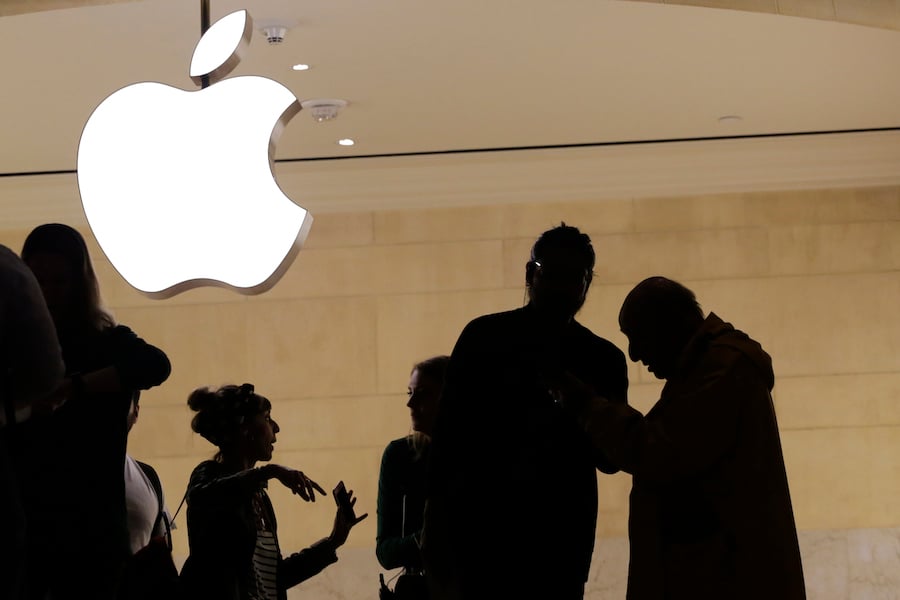
A California appeals court revived a lawsuit accusing Apple of restricting independent iPhone repairs and inflating repair costs, finding consumers had adequately pleaded an unfair competition claim. Customers enter an Apple store on May 31, 2018, in New York. (AP Photo/Mark Lennihan) (CN) — A California Court of Appeals panel reversed a lower court’s ruling that Apple’s policy preventing iPhone users from seeking repair products was not a violation of California’s unfair competition law. Plaintiffs Jesse Granato and Janice Zarad say they each paid Apple to repair cracked screens in 2021 after an employee told them using another repair service would void their warranty coverage. They sued Apple in 2022, accusing it of inflating independent repair costs by withholding parts, tools, manuals and software and conditioning warranties on using authorized repair shops. A Santa Clara Superior Court judge sustained Apple’s demurrer, finding the plaintiffs lacked standing under California’s unfair competition law. But a three-judge Sixth Appellate District panel disagreed. “As pleaded, Apple’s practices substantially injure consumers by allowing Apple to exact inflated payments for repairs or to increase demand for new products by incentivizing replacement over repair,” acting presiding Associate Justice Cynthia Lie wrote in the unanimous decision. “Plaintiffs rely on reasonable inferences derived from Apple’s alleged conduct in combination with the relationship between market factors — competition, demand, and supply — and pricing.” Further, the plaintiffs did not identify any meaningful benefit provided by Apple’s repair policies that outweighed the harm they caused, Lie wrote . “Consumers needing out-of-warranty repairs have no means of avoiding market wide pricing dynamics,” she continued. “At the pleading stage, plaintiffs’ allegations suffice.” The panel found that the plaintiffs had adequately pleaded an unfair competition claim and remanded the case to the lower court on Thursday. The plaintiffs also claim Apple violated California’s 2024 Right to Repair Act , which requires electronics and appliance manufacturers to provide parts, tools and documentation to owners and independent repair shops. However, the law was enacted after they filed the initial suit. “The practices were thus not made unlawful by the statute,” Lie wrote. “But the later establishment of a statutory right persuades us that conduct that would infringe that later-codified right was unfair even at the time.” The plaintiffs also claim the company violated the 1975 Magnuson-Moss Warranty Act , which strengthens consumer warranty claims. Although Lie found that the plaintiffs had not adequately claimed a violation of this law, she ruled their claims violate the spirit of that law. “Specifically, plaintiffs alleged that Apple refuses, and instructs authorized repair shops to refuse, in-warranty service if customers have obtained repairs or parts for non-covered warranty items from anyone else,” she wrote. Apple’s argument that the plaintiffs failed to obtain third-party repairs or provide details about those repairs was also misplaced, Lie found. “Apple presumes that the inflated price plaintiffs allege as injury derives from having Apple repair their phones, in lieu of an independent repair shop that would have provided the same repair at a lower price,” she wrote. “But plaintiffs’ theory encompasses the difference between the prices they actually paid Apple and those they would have paid Apple absent its alleged unlawful practices. Allegations that plaintiffs could have obtained iPhone repairs at lower cost from independent repair shops are not necessary to support a theory that Apple’s practices caused market wide price increases.” Apple has not been found liable at this stage. The case now heads back to superior court. Lie was joined in her opinion by Associate Justice Daniel Bromberg and Associate Justice Charles Wilson. Neither party responded to requests for
How does this affect you?
Get an AI analysis of this article grounded in your jurisdictions, practice areas, and any policy documents you've uploaded to Wansom.
Wansom is AI and can make mistakes.