
California Appeals Court: Hell's Kitchen Geothermal Project Violates CEQA
Summary
- A proposed geothermal plant and lithium mine in Imperial County has been sent back to the drawing board due to environmental concerns.
- The project's permitting process was found to violate CEQA, specifically with regards to water availability and air quality.
- The court emphasized the importance of thorough environmental analysis and mitigation measures for large-scale industrial projects.
Environmental Review Ordered for Hell's Kitchen Project
Water from the Colorado River is the sole source of fresh water for the county of Imperial and in particular, for agriculture in the Imperial Valley... Any project that requires substantial water must be considered with great care to ensure that the county's residents, businesses, and environment are not adversely affected by its planned water use.
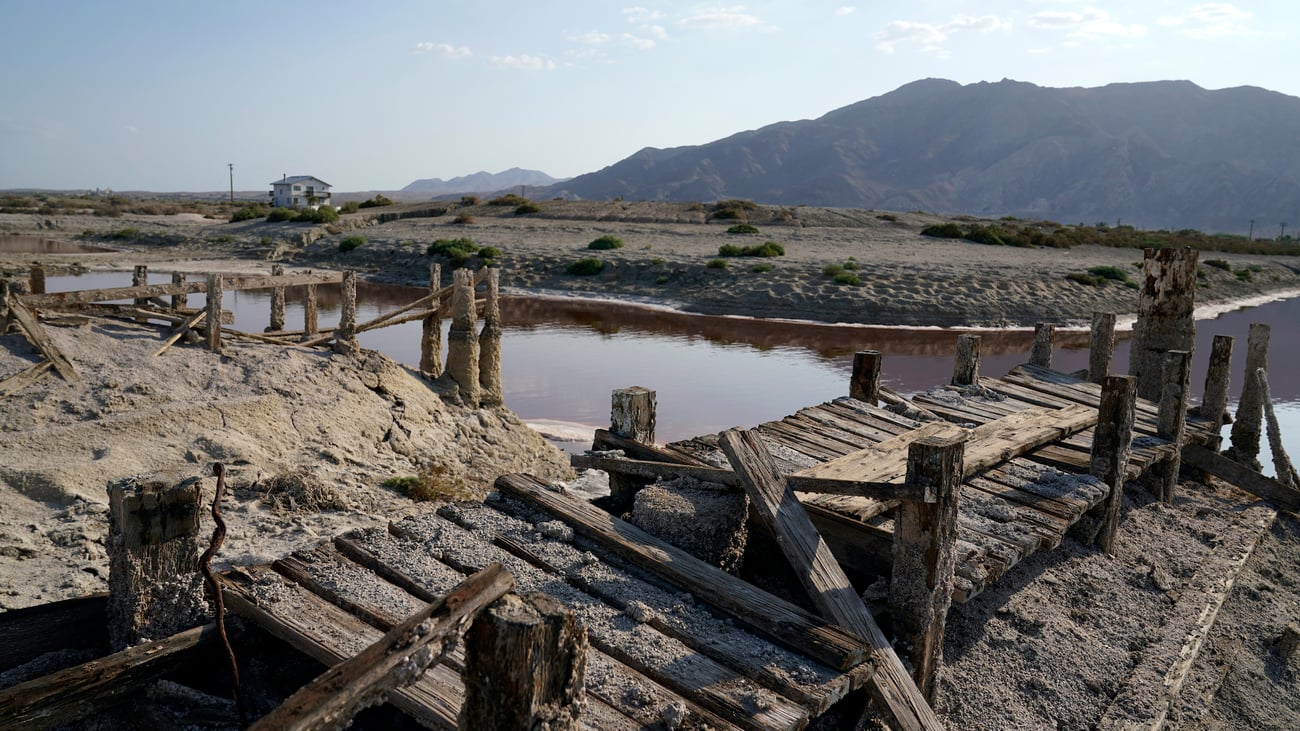
A proposed geothermal plant and lithium mine in California's Imperial County has been sent back to the drawing board after a state appeals court ruled that the county failed to adequately address environmental concerns. The project, dubbed Hell's Kitchen, would generate electricity from one of the largest geothermal fields in the world while extracting lithium. However, the court found that the county's permitting process for the project violated the California Environmental Quality Act (CEQA), specifically with regards to water availability and air quality in the arid region. The decision marks a significant setback for Controlled Thermal Resources, the company behind Hell's Kitchen, which had argued that its project could be developed without harming the environment.
Legal Context
The court's ruling was based on a lawsuit filed by Comité Civico del Valle and Earthworks, two environmental nonprofits, against the Imperial County Board of Supervisors. The plaintiffs argued that the county's approval process for the original environmental impact report (EIR) failed to properly address potential impacts on water availability and air quality in the region. The court agreed with the plaintiffs, finding that the EIR did not provide sufficient information to show that enough water would be available for the project. Additionally, the court noted that the defendants failed to fully consider how the project would affect air quality in the region, particularly as the Salton Sea recedes due to decreased water inflows.
Why It Matters
The decision has significant implications for large-scale industrial projects in arid regions, particularly those involving water-intensive activities like geothermal energy generation. The court's emphasis on thorough environmental analysis and mitigation measures may set a precedent for future projects, requiring more stringent CEQA compliance. This could have far-reaching consequences for companies operating in California, as well as for the state's efforts to promote renewable energy development while protecting the environment.
Practical Implications
Lawyers and compliance officers should watch for the implications of this decision on large-scale industrial projects in arid regions, particularly those involving water-intensive activities like geothermal energy generation. The court's emphasis on thorough environmental analysis and mitigation measures may set a precedent for future projects, requiring more stringent CEQA compliance.
Source
How does this affect you?
Get an AI analysis of this article grounded in your jurisdictions, practice areas, and any policy documents you've uploaded to Wansom.
Wansom is AI and can make mistakes.