
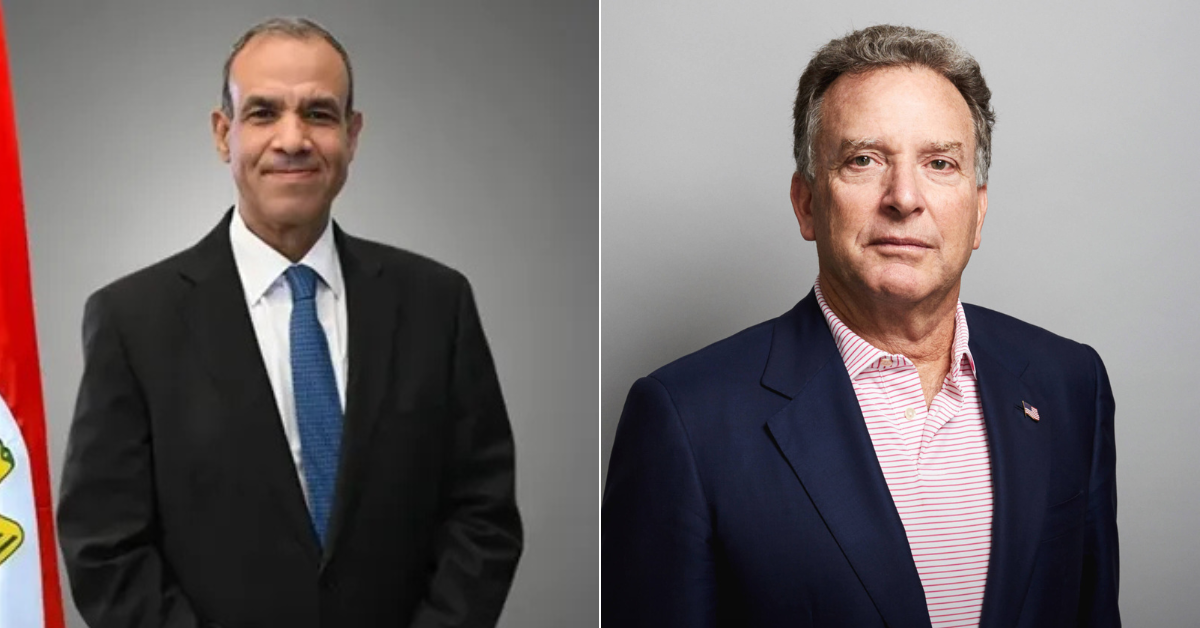
Cairo Presses US Iran MoU: Egypt Urges Adherence for De-escalation
Summary
- Egyptian Foreign Minister Badr Abdelatty urged adherence to the United States-Iran memorandum of understanding.
- This message was delivered during a phone call with US Special Envoy for the Middle East Steve Witkoff on Tuesday.
- Abdelatty stressed that implementing the agreement is crucial for de-escalating soaring regional tensions.
- Cairo's diplomatic push aims to avert a wider Middle East conflict.
Diplomatic Push for De-escalation
His primary motivation for this diplomatic intervention was to actively contribute to the de-escalation of what he termed "soaring regional tensions."
On Tuesday, a significant diplomatic exchange occurred as Egyptian Minister of Foreign Affairs Badr Abdelatty engaged in a phone conversation with Steve Witkoff, the United States Special Envoy for the Middle East. During their discussion, which centered on current developments and ongoing efforts to contain hostilities in the region, Minister Abdelatty conveyed a clear message regarding the United States-Iran memorandum of understanding.
The Egyptian foreign minister specifically urged adherence to the provisions outlined in this US-Iran agreement. His primary motivation for this diplomatic intervention was to actively contribute to the de-escalation of what he termed "soaring regional tensions." Abdelatty underscored the critical importance of implementing the agreements contained within the memorandum as a strategic measure.
This push from Cairo is framed as a direct effort to avert a broader conflict across the Middle East. The emphasis on the US-Iran memorandum of understanding highlights a belief that its implementation is key to stabilizing the volatile regional landscape and preventing further escalation of existing hostilities.
The Framework of International Understandings
In international relations, a memorandum of understanding (MoU) serves as a formal agreement between parties, often outlining a common course of action or a shared understanding. While the specific details of the US-Iran memorandum of understanding were not disclosed in the report, such instruments typically lay the groundwork for cooperation, establish parameters for engagement, or define steps toward resolving disputes. They are frequently employed in Middle East de-escalation efforts to build confidence and provide a structured path forward in complex geopolitical situations.
Minister Abdelatty's insistence on the implementation of this particular MoU suggests that Cairo views it as a vital framework for managing the intricate relationship between the United States and Iran. The call for adherence implies that the agreement contains provisions deemed essential for mitigating risks and fostering a more stable environment, thereby contributing to regional conflict prevention. The involvement of a US Special Envoy, Steve Witkoff, in this discussion further underscores the high-level diplomatic nature of the issues at hand.
Cairo's Strategic Imperative for Stability
Egypt's diplomatic initiative, spearheaded by Minister Badr Abdelatty, reflects a broader strategic imperative to promote stability and prevent wider conflict in the Middle East. The phone call with US Special Envoy Steve Witkoff on Tuesday, focused on discussing current developments and efforts to contain hostilities, underscores Cairo's active role in regional diplomacy. By urging adherence to the United States-Iran memorandum of understanding, Egypt is positioning itself as a proponent of structured engagement and agreed-upon frameworks to navigate complex geopolitical challenges.
The concern over "soaring regional tensions" articulated by Abdelatty highlights the perceived urgency of the situation. Cairo's call for the implementation of the US-Iran agreement is presented as a direct and necessary step towards achieving de-escalation. This diplomatic maneuver aligns with the broader objective of regional conflict prevention, emphasizing the belief that established understandings, even if not fully binding treaties, can serve as crucial tools for maintaining peace and security in a volatile region. Egypt urges US Iran agreement as a pathway to stability, recognizing the interconnectedness of regional powers.
Practical Implications
This article reports on a diplomatic initiative to de-escalate regional tensions. It does not contain direct, actionable legal or compliance implications for lawyers or compliance officers, as it pertains to high-level foreign policy rather than specific regulatory changes, legal obligations, or judicial precedents.
Source
How does this affect you?
Get an AI analysis of this article grounded in your jurisdictions, practice areas, and any policy documents you've uploaded to Wansom.
Finish Reading the Full Expert Analysis.
Wansom is AI and can make mistakes.