
Consortium Travail Décent Burundi: Présente Bilan Programme 2022-2026
Summary
- The Consortium Travail décent au Burundi hosted an open house on November 25, 2026, to review the Burundi Decent Work Country Programme (DWCP) (2020-2023, extended to 2028).
- The program's theme focused on strengthening human rights through decent work from 2022 to 2026.
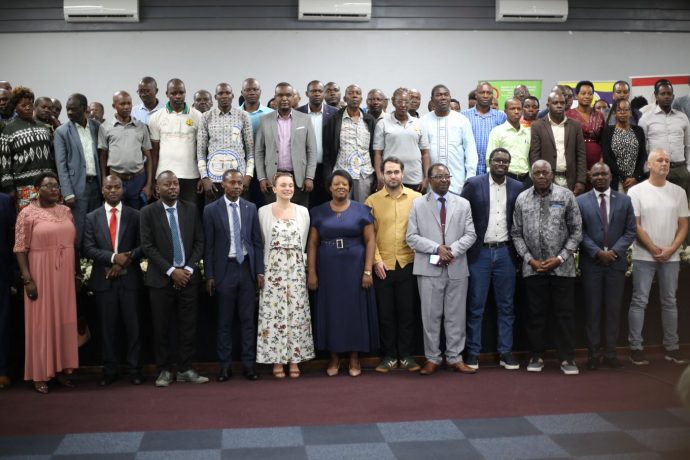
- The event gathered program beneficiaries, institutional partners, civil society, labor actors, and technical and financial partners.
- The review provides crucial insights into Burundi's labor policy and potential future regulatory changes.
Review of Burundi's Decent Work Program Concludes
Lawyers advising clients with operations in Burundi should closely monitor the outcomes and future initiatives stemming from the "Travail Décent" program's review.
The Consortium Travail décent au Burundi recently hosted a significant open house event on November 25, 2026, dedicated to presenting the comprehensive review, or "bilan," of the Burundi Decent Work Country Programme (DWCP) (2020-2023, extended to 2028). This gathering served as a crucial platform for assessing the progress and impact of the program, focusing on its contributions to the nation's labor landscape. The event underscored the ongoing commitment to fostering improved working conditions and rights within Burundi.
The central theme guiding this important review was "De 2022 à 2026, un parcours de renforcement des droits humains par le travail décent." This theme highlights the program's core mission: to enhance human rights through the promotion and implementation of decent work principles. The open house provided an opportunity for various stakeholders to reflect on the journey undertaken and the achievements made in integrating these fundamental rights into the Burundian employment sector.
Broad Stakeholder Engagement in Labor Rights
The open house day saw a wide array of participants converge, reflecting the multi-faceted nature of the Burundi Decent Work Country Programme (DWCP) (2020-2023, extended to 2028). Among those in attendance were direct beneficiaries of the program's initiatives, offering firsthand accounts of its impact. They were joined by representatives from key institutional partners, underscoring the collaborative governance and support structures underpinning the program's operations.
Further enriching the discussions were delegates from civil society organizations, actors from the broader world of labor, and both technical and financial partners. This diverse assembly of stakeholders, brought together by the Consortium Travail décent Burundi, is indicative of the collective effort required to advance the "politique travail décent Burundi" and ensure the sustained "renforcement droits humains travail Burundi." Their combined perspectives are vital for a holistic evaluation of the program's effectiveness in upholding "droits des travailleurs Burundi."
Future Regulatory Landscape and Compliance
Lawyers advising clients with operations in Burundi should closely monitor the outcomes and future initiatives stemming from the "Travail Décent" program's review. The comprehensive "bilan" presented by the Consortium Travail décent Burundi provides critical insights into the trajectory of labor policy and the potential for evolving regulatory frameworks within the country. These efforts, aimed at strengthening human rights through decent work, are not merely aspirational but can translate into concrete legal obligations for employers.
The continued emphasis on the "renforcement droits humains travail Burundi" suggests that businesses may face new or more rigorously enforced labor regulations and compliance requirements in the coming years. The findings from this review are likely to inform subsequent policy decisions, potentially leading to updates in labor laws, increased scrutiny of working conditions, and enhanced enforcement mechanisms designed to protect "droits des travailleurs Burundi." Proactive engagement with these developments will be crucial for maintaining operational compliance.
Therefore, understanding the nuances of the "politique travail décent Burundi" as articulated through this program's review is essential for any entity operating within the nation. The insights gained from the open house and its detailed assessment will undoubtedly shape the future operational environment, making it imperative for legal professionals to advise their clients on potential adjustments needed to align with the evolving standards of decent work and human rights in the Burundian workplace.
Practical Implications
Lawyers advising clients with operations in Burundi should monitor the outcomes and future initiatives stemming from the 'Travail Décent' program's 2022-2026 review, as these efforts to strengthen human rights through decent work may lead to new or more rigorously enforced labor regulations and compliance requirements.
Source
How does this affect you?
Get an AI analysis of this article grounded in your jurisdictions, practice areas, and any policy documents you've uploaded to Wansom.
Finish Reading the Full Story and the Expert Analysis.
Get the latest legal & regulatory intelligence in Burundi
Wansom is AI and can make mistakes.