
Burundi ONPRA: Begins Nationwide Refugee Checks; Absentees Risk Status Deactivation
Summary
- Burundi's National Office for the Protection of Refugees and Stateless Persons (ONPRA) is initiating physical verification checks in all refugee camps.
- Richard Uwimana, ONPRA's national coordinator, warned refugees outside camps to return, with unannounced checks potentially leading to refugee status deactivation.
- Refugee representatives advocated for students, professionals, and the chronically ill living outside camps, but ONPRA demanded formal documentation.
- Many urban refugees engaged in informal work, like Moïse selling juice, find it impossible to meet ONPRA's strict documentation requirements.
- Failure to provide documents risks refugee status deactivation and forced return, echoing severe penalties from a similar operation last year.
Impending Verification Operations
For refugees found absent from their registered locations during these headcounts, the implications are severe, potentially leading to sanctions that include the deactivation of their refugee status.
The National Office for the Protection of Refugees and Stateless Persons (ONPRA) in Burundi is poised to initiate a series of physical verification operations targeting refugees residing in all designated camps across the nation. Sources within the institution indicate these Burundi ONPRA refugee checks are slated to commence this week, as of November 24, 2026. While no official public statement has been released, the impending operation has already generated considerable apprehension among the refugee population, particularly those who have settled in urban centers outside the formal camp structures.
This comprehensive verification initiative follows a recent tour conducted by Richard Uwimana, ONPRA's national coordinator, across various refugee camps. During his visits, Mr. Uwimana explicitly urged individuals living beyond camp boundaries, especially in urban areas, to return to their original registration sites. He also announced that the upcoming checks would be unannounced, covering all camps nationwide. For refugees found absent from their registered locations during these headcounts, the implications are severe, potentially leading to sanctions that include the deactivation of their refugee status.
Challenges for Urban Refugees
The directive from the National Office for the Protection of Refugees and Stateless Persons poses a significant challenge for Burundi urban refugees who have established lives outside the camps. Representatives from five camps—Musasa, Kinama, Kavumu, Nyankanda, and Bwagiriza—recently approached ONPRA to advocate on behalf of those with legitimate reasons for residing elsewhere. They highlighted cases such as students pursuing education, professionals engaged in work, and individuals with chronic illnesses requiring ongoing medical treatment not available within camp facilities. These representatives requested that such refugees be permitted to continue their studies, employment, and healthcare arrangements without being compelled to return to the camps, and that they continue to receive necessary assistance.
In response, ONPRA stipulated that each affected individual must provide formal identification and documentation to justify their presence outside the camps. Those unable to furnish the required supporting documents face an immediate mandate to return to their registered camp locations. This requirement is proving exceptionally difficult for many refugees who sustain themselves through small, informal economic activities. For instance, Moïse, a refugee from an eastern Burundi camp, supports his family by selling juice and water in Bujumbura, the commercial capital. He faces demands for a business registration certificate, a tax identification number (NIF), a cash book, a physical address, a workplace address, and a bank account number. With only 400,000 Burundian francs, he finds it impossible to meet these administrative prerequisites, explaining that his mobile street vending business lacks a fixed location, yet it is his sole means of livelihood.
Risk of Forced Return and Deactivation
Hundreds of refugees, much like Moïse, rely on informal urban activities such as selling various goods, providing hairdressing services, or engaging in small retail to survive. These endeavors often represent their primary source of income, supplementing the assistance they frequently deem inadequate within the camps. Without formal business status, many lack the official documents now demanded by the administration. Consequently, the inability to provide these papers places them at high risk of refugee status deactivation Burundi and subsequent forced return to the camps.
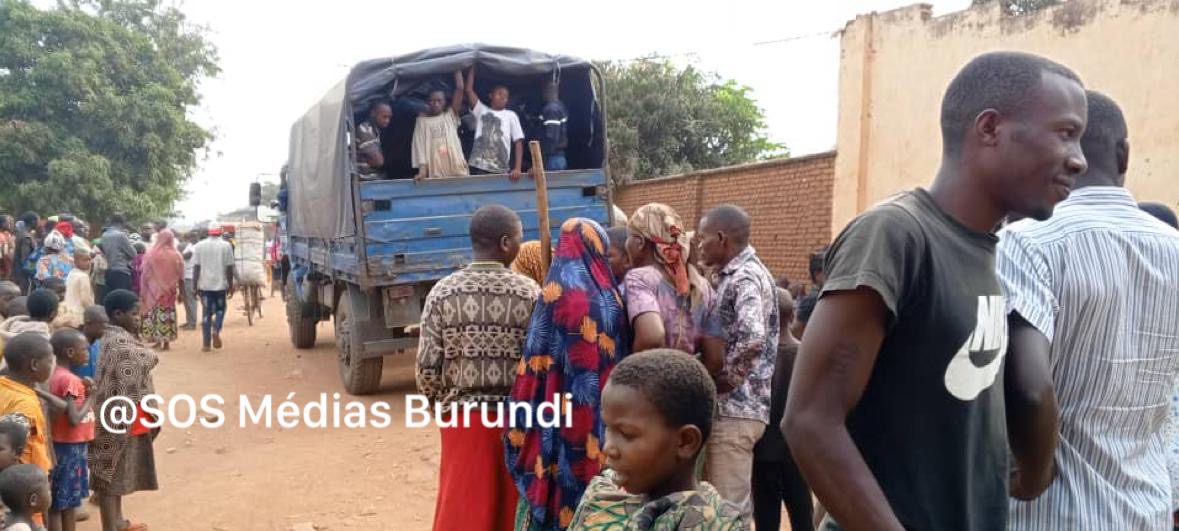
A forced return would strip these families of their main, or even sole, means of subsistence, directly impacting their ability to secure food and provide for their children. This impending threat is compounded by memories of a similar physical verification operation conducted last year. During that previous exercise, numerous accounts from within the camps confirmed that refugees absent without justification faced severe penalties. Those who failed to report to the administration to regularize their situation within three months experienced significant repercussions, underscoring the gravity of the current Burundi ONPRA refugee checks. The image of Congolese refugees being loaded onto police trucks and transported back to camps, as reported by SOS Médias Burundi, further illustrates the potential for involuntary relocation.
Practical Implications
Lawyers representing humanitarian organizations or individual refugees in Burundi should be aware of ONPRA's new verification requirements and the strict documentation demands for refugees living outside camps. This presents a significant risk of refugee status deactivation and forced return, necessitating legal advice on compliance, advocacy for vulnerable populations, or potential legal challenges against arbitrary deactivation.
Source
How does this affect you?
Get an AI analysis of this article grounded in your jurisdictions, practice areas, and any policy documents you've uploaded to Wansom.
Finish Reading the Full Story and the Expert Analysis.
Get the latest legal & regulatory intelligence in Burundi
Wansom is AI and can make mistakes.