
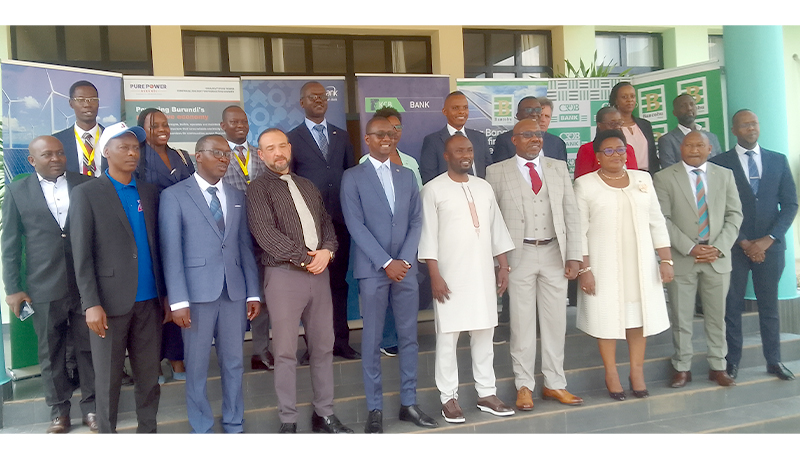
Burundi Gigawatt Accord Énergie Renouvelable: Government Formalizes Development Framework
Summary
- Gigawatt Burundi S.A. and the Gouvernement de la République du Burundi signed a Memorandum of Understanding on November 14 in Bujumbura.
- The accord focuses on developing decentralized renewable energy, mini-grids, rural electrification, and productive energy uses in Burundi.
- This initiative is part of the broader PURE Power Burundi programme.
- The agreement aims to make energy a key driver for transforming rural economies.
What Happened
The primary objective articulated by the parties is to position energy as a fundamental catalyst for transforming rural economies, thereby improving livelihoods and stimulating local development.
On Saturday, November 14, a significant agreement was formalized in Bujumbura between Gigawatt Burundi S.A. and the Gouvernement de la République du Burundi. This Memorandum of Understanding (MoU) establishes a framework for extensive collaboration focused on advancing renewable energy initiatives across the nation. The accord specifically targets the development of decentralized renewable energy systems, the establishment of mini-grids, and the broader goal of rural electrification throughout Burundi.
The scope of this partnership extends beyond mere power generation, encompassing the promotion of productive uses for renewable energy. This comprehensive approach is designed to integrate energy solutions directly into the economic fabric of rural areas. The entire undertaking is positioned within the broader context of the PURE Power Burundi programme, indicating a strategic alignment with existing national development objectives.
This Burundi Gigawatt accord énergie renouvelable represents a pivotal step towards leveraging sustainable power sources to foster economic growth. The primary objective articulated by the parties is to position energy as a fundamental catalyst for transforming rural economies, thereby improving livelihoods and stimulating local development.
Legal and Regulatory Context
The signing of this Memorandum of Understanding by Gigawatt Burundi S.A. and the Gouvernement de la République du Burundi signals a commitment to a structured approach for the future of energy development. While an MoU is not a binding contract in itself, it typically outlines the intentions and areas of cooperation that will lead to more definitive agreements and projects. For legal practitioners and investors, this accord suggests forthcoming opportunities and potential shifts in the regulatory landscape governing the energy sector in Burundi.
The focus on the développement énergies renouvelables Burundi, particularly through decentralized systems and mini-réseaux électriques Burundi, implies a need for robust and clear regulatory frameworks. These frameworks would govern aspects such as licensing, tariffs, grid integration for smaller-scale projects, and land use, which are critical for attracting and securing private sector investment in such ventures. The PURE Power Burundi programme, under which this MoU falls, likely provides a policy umbrella that will guide the specifics of these regulatory developments.
Lawyers advising energy companies or investors in Burundi should closely monitor the implementation of this Memorandum of Understanding. This includes watching for new tender opportunities that may arise from the accord, as well as anticipating regulatory changes in renewable energy. Furthermore, understanding the potential contractual frameworks for decentralized power projects and rural electrification will be crucial for those looking to participate in Burundi's evolving energy market.
Why It Matters
This Burundi Gigawatt accord énergie renouvelable holds substantial significance for the nation's long-term development trajectory. By prioritizing the développement énergies renouvelables Burundi, the agreement aims to address critical energy access gaps, particularly in underserved rural communities. The strategic emphasis on électrification rurale Burundi through decentralized solutions is key to unlocking economic potential beyond urban centers.
The stated goal of making energy a true driver of rural economic transformation underscores the profound impact this initiative could have. Reliable and affordable energy access is fundamental for supporting small businesses, improving agricultural productivity, enhancing educational opportunities, and facilitating healthcare services in remote areas. The establishment of mini-réseaux électriques Burundi will play a vital role in delivering these benefits directly to communities.
Ultimately, the partnership between Gigawatt Burundi S.A. and the Gouvernement de la République du Burundi, under the PURE Power Burundi programme, represents a forward-looking strategy to build a more resilient and equitable energy future. This collaborative effort is designed to harness the power of sustainable energy to foster inclusive growth and elevate the quality of life for a significant portion of the Burundian population.
Practical Implications
Lawyers advising energy companies or investors in Burundi should monitor the implementation of this Memorandum of Understanding for new tender opportunities, regulatory changes in renewable energy, and potential contractual frameworks for decentralized power projects and rural electrification.
Source
How does this affect you?
Get an AI analysis of this article grounded in your jurisdictions, practice areas, and any policy documents you've uploaded to Wansom.
Finish Reading the Full Story and the Expert Analysis.
Get the latest legal & regulatory intelligence in Burundi
Wansom is AI and can make mistakes.