
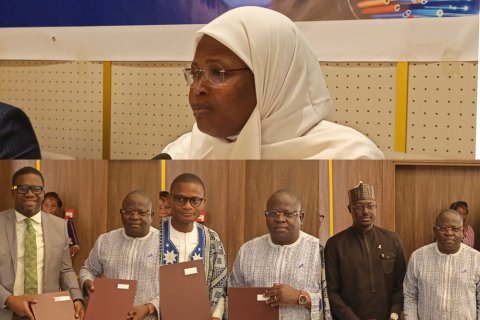
UEMOA: Roaming Agreement Signed by Burkina, Benin, Côte d'Ivoire, Sénégal
Summary
- Bilateral roaming agreements were signed by Burkina Faso, Benin, Côte d'Ivoire, and Senegal on October 23, 2026.
- The agreements aim to eliminate the need for travelers to purchase new SIM cards when moving between these UEMOA nations.
- Users will benefit from more accessible roaming tariffs, significantly reducing mobile communication costs.
- The accords, finalized in Ouagadougou, are designed to progressively remove communication obstacles within the region.
- This initiative signifies a strategic step in regional diplomacy and cooperation, fostering deeper UEMOA integration.
New Roaming Agreements Signed
With the signing of this UEMOA roaming agreement Burkina Benin Côte d'Ivoire Sénégal, the expectation is that such systematic SIM card purchases will become a thing of the past.
A significant development in West African telecommunications occurred on Friday, October 23, 2026, as four member states of the West African Economic and Monetary Union (UEMOA) formally concluded bilateral roaming agreements. Representatives from Burkina Faso, Benin, Côte d'Ivoire, and Senegal gathered in Ouagadougou to finalize these accords, which are set to reshape mobile communication within the sub-region.
The primary aim of these newly established bilateral roaming agreements is to alleviate the long-standing inconvenience faced by travelers navigating these countries. Historically, individuals moving between these nations have often been compelled to purchase new local SIM cards upon arrival, a practice that adds both cost and logistical complexity to cross-border travel. This requirement has been a notable barrier for both personal and business communications.
With the signing of this UEMOA roaming agreement Burkina Benin Côte d'Ivoire Sénégal, the expectation is that such systematic SIM card purchases will become a thing of the past. The initiative promises to streamline mobile connectivity, ensuring that residents and visitors can maintain seamless communication without the need for constant network switching or new subscriptions. This move is a direct response to the need for more integrated and user-friendly telecommunication services across the UEMOA zone, specifically addressing the challenges of cross-border mobile usage.
Reduced Costs and Enhanced Connectivity
A crucial benefit anticipated from these agreements is the introduction of significantly more accessible tariff conditions for mobile communication. Travelers will soon be able to utilize their existing mobile subscriptions across the borders of the signatory nations, thereby avoiding the often-prohibitive charges associated with traditional international roaming. This shift is poised to substantially reduce mobile communication costs West Africa for anyone operating or traveling within this specific sub-region, making connectivity more affordable and predictable.
The implementation of these favorable roaming tariffs UEMOA-wide is expected to have a profound impact on both individual consumers and businesses. For individuals, it means staying connected with family and friends without the worry of unexpected high bills. For companies, particularly those with employees frequently traveling between Burkina Faso, Benin, Côte d'Ivoire, and Senegal, these changes will simplify expense management, enhance operational efficiency, and improve overall communication strategies.
This development represents a tangible improvement in the telecommunications landscape, aligning with broader goals of regional economic integration. By making cross-border communication more affordable and seamless, the agreements support the free movement of people and goods, which is a foundational principle of the UEMOA bloc. It also sets a precedent for future West Africa telecommunications regulation aimed at consumer benefit.
Broader Regional and Diplomatic Significance
Beyond the immediate practical advantages for mobile users, these commitments carry a broader institutional and strategic significance for the UEMOA region. The agreements are explicitly designed to progressively dismantle existing obstacles related to communications, thereby fostering deeper integration among the member states. This move reflects a concerted effort in regional diplomacy and cooperation, aiming to create a more cohesive and interconnected economic space that benefits all participating nations.
The formalization of these accords in Ouagadougou underscores a collaborative approach to enhancing digital infrastructure and services across the sub-region. By directly addressing the complexities of cross-border mobile communication, the participating nations are laying crucial groundwork for future advancements in regional telecommunications policy. This could potentially influence broader Burkina Faso telecom law changes, as well as similar regulatory adjustments in Benin, Côte d'Ivoire, and Senegal, ensuring a harmonized approach to telecommunications governance.
These bilateral roaming agreements, signed in October 2026 UEMOA, are not merely about tariffs; they symbolize a commitment to breaking down digital borders and facilitating easier interaction and commerce. They represent a strategic step towards a more unified digital market within the UEMOA, reinforcing the bloc's objectives of economic and social development through improved connectivity.
Practical Implications
Lawyers advising telecommunications companies or businesses with significant cross-border operations within the UEMOA region (Burkina Faso, Benin, Côte d'Ivoire, Senegal) should monitor the full implementation details of these bilateral roaming agreements. This development will impact mobile communication costs and regulatory compliance for employees traveling between these countries, necessitating a review of existing telecom contracts and expense policies.
Source
How does this affect you?
Get an AI analysis of this article grounded in your jurisdictions, practice areas, and any policy documents you've uploaded to Wansom.
Finish Reading the Full Story and the Expert Analysis.
Get the latest legal & regulatory intelligence in Burkina Faso
Wansom is AI and can make mistakes.