
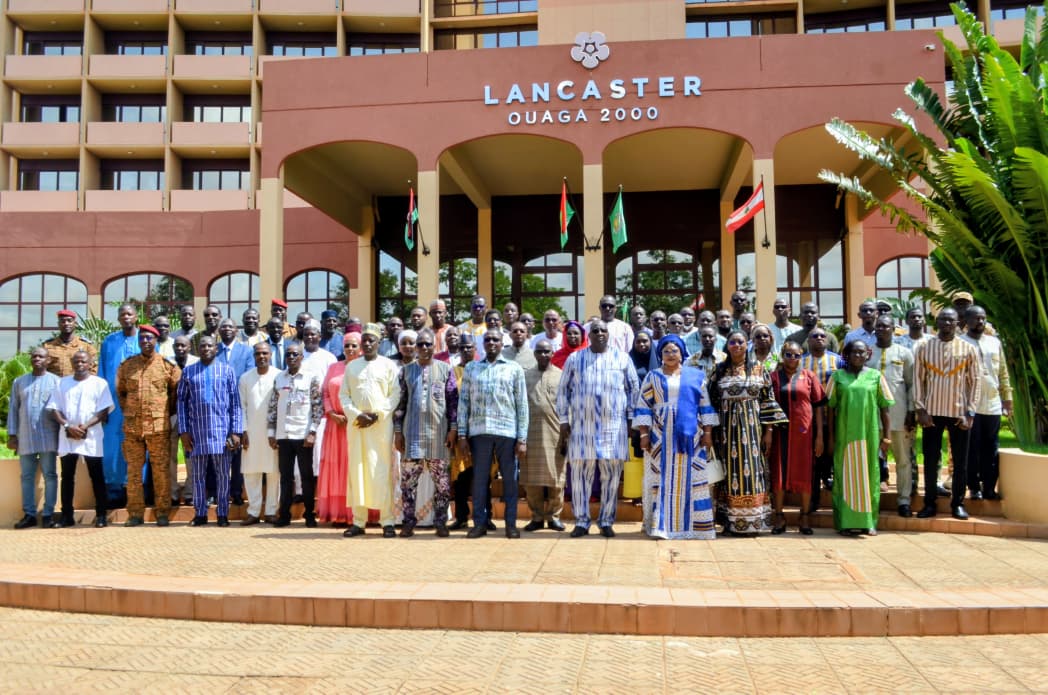
AES Ministers: Endorse Key Energy Mining Structuring Documents
Summary
- The Confédération des Etats du Sahel (AES) held its first meeting of energy and mining ministers in Ouagadougou.
- The meeting, which began on Monday, August 10, 2026, focused on examining and validating "structuring documents."
- These documents are intended to shape the future of energy and mining across the AES member states.
- The initiative signals a unified regional approach to resource governance and policy harmonization.
What Happened
For legal professionals advising clients with interests in the region, particularly within the energy and mining sectors, the finalization of these AES energy mining structuring documents will necessitate close scrutiny.
The Confédération des Etats du Sahel (AES) recently convened its inaugural meeting of energy and mining ministers, marking a significant step toward regional resource governance. This pivotal gathering, which commenced on Monday, August 10, 2026, in Ouagadougou, brought together high-level representatives from across the AES member states. The primary agenda for these Ministres énergie mines AES was the critical task of reviewing and endorsing a series of foundational "structuring documents" designed to shape the future of energy and mining within the confederation's geographical scope.
This initial ministerial assembly underscores a concerted effort by the AES to forge a unified approach to its vast natural resource wealth. The focus on developing comprehensive AES energy mining structuring documents highlights a strategic move towards harmonizing policies and regulations that will govern the extraction, processing, and distribution of vital energy and mineral resources across the member nations. Such an initiative suggests a long-term vision for sustainable development and enhanced regional cooperation in these crucial sectors.
Legal & Regulatory Framework
The development and validation of these structuring documents represent a profound shift in the legal and regulatory landscape for energy and mining operations across the Sahel. While the specific contents of these documents are yet to be publicly detailed, their designation as "structuring" implies a foundational role in establishing overarching principles, guidelines, and potentially even common legislative frameworks. This could encompass areas such as licensing procedures, environmental standards, revenue sharing mechanisms, and investment protection, all aimed at fostering a more predictable and attractive environment for both public and private sector engagement.
For legal professionals advising clients with interests in the region, particularly within the energy and mining sectors, the finalization of these AES energy mining structuring documents will necessitate close scrutiny. These frameworks are poised to dictate future operational parameters and compliance requirements, potentially introducing new standards for Burkina Faso énergie minière réglementation and other member states. The move towards a unified Sahel energy mining policy could streamline processes but also introduce complex cross-border regulatory considerations that will require careful navigation by stakeholders.
Regional Impact and Future Outlook
The implications of these structuring documents extend far beyond mere administrative adjustments, signaling a strategic reorientation of the Confédération des Etats du Sahel énergie mines sector. By establishing common ground for resource management, the AES aims to leverage its collective strength, potentially attracting greater foreign direct investment and fostering intra-regional collaboration on large-scale projects. This unified approach could mitigate individual country risks and present a more cohesive investment proposition to international partners, thereby enhancing the economic prospects of the entire confederation.
Furthermore, the initiative to develop a comprehensive future Sahel mining law and energy policy through these documents suggests a proactive stance by the AES member states to assert greater control over their natural resources. This collective effort could lead to more equitable resource utilization, improved local content requirements, and enhanced environmental stewardship across the region. The outcomes of this ministerial meeting and the subsequent implementation of the AES energy mining structuring documents will undoubtedly set the trajectory for resource development in the Sahel for decades to come, demanding continuous monitoring by all parties involved in the region's dynamic energy and mining landscape.
Practical Implications
This initiative by AES ministers to develop 'structuring documents' for energy and mining signals significant upcoming regional policy and regulatory shifts. Lawyers advising clients in the energy and mining sectors across AES member states should closely monitor the finalization and implementation of these documents, as they will likely dictate future licensing, operational, and investment conditions, necessitating proactive compliance and strategic adjustments.
Source
How does this affect you?
Get an AI analysis of this article grounded in your jurisdictions, practice areas, and any policy documents you've uploaded to Wansom.
Wansom is AI and can make mistakes.