
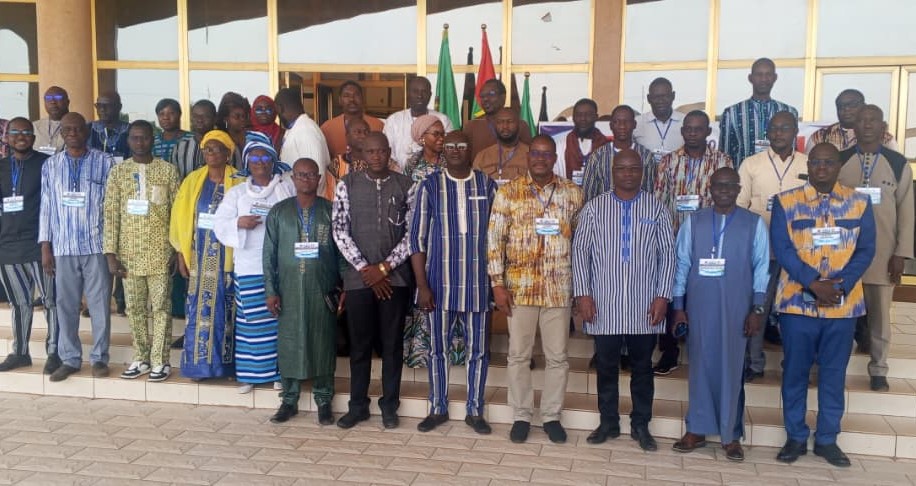
Burkina Faso, Mali: 8th CTC-GIRE Session Boosts Water Cooperation
Summary
- The 8th ordinary session of the Joint Technical Committee for Integrated Water Resources Management (CTC-GIRE) between Burkina Faso and Mali began on November 18, 2026.
- The two-day meeting in Bobo-Dioulasso aimed to review past recommendations and establish concrete future actions for water management.
- This session signifies a reinforced commitment by both nations to integrated water resource management across their shared transboundary basins.
- The CTC-GIRE plays a crucial role in coordinating policies for shared aquatic ecosystems in West Africa.
- Strengthened cooperation could lead to new regulations and agreements affecting water rights and environmental compliance across shared basins.
What Happened
Enhanced collaboration through the CTC-GIRE could foreseeably lead to the development of new regulations, more robust enforcement mechanisms, or updated Mali Burkina water agreements.
The 8th ordinary session of the Joint Technical Committee for Integrated Water Resources Management (CTC-GIRE) between Burkina Faso and Mali commenced on Wednesday, November 18, 2026. This significant bilateral gathering took place at the Maison de la Culture in Bobo-Dioulasso, marking a continued commitment to shared environmental governance.
The two-day meeting was convened with a clear dual purpose: to thoroughly assess the progress and outcomes of previously established recommendations and to formulate precise, actionable strategies for the future. These strategies are specifically designed to advance the integrated management of water resources across the shared borders of the two West African nations.
Enhancing Transboundary Water Cooperation
The convening of the CTC-GIRE session in Bobo-Dioulasso underscores the ongoing efforts by Burkina Faso and Mali to deepen their water cooperation, particularly concerning vital transboundary water basins. This committee serves as a critical mechanism for both countries to coordinate policies and actions related to shared aquatic ecosystems, which are essential for the livelihoods and development of communities in West Africa.
Integrated Water Resources Management (GIRE) represents a holistic approach to water governance, emphasizing the coordinated development and management of water, land, and related resources. Its aim is to maximize economic and social welfare in an equitable manner without compromising the sustainability of vital ecosystems. For Burkina Faso and Mali, this framework is crucial for addressing challenges such as water scarcity, pollution, and the equitable distribution of resources across their shared borders.
Defining Future Actions
A primary objective of the 8th CTC-GIRE session was to meticulously review the implementation status and effectiveness of past recommendations. This evaluative process is fundamental for identifying successful strategies and areas requiring further attention or adjustment in the joint management of water resources. Such a comprehensive review ensures that previous commitments translate into tangible improvements on the ground.
Following this assessment, the committee was tasked with the critical responsibility of defining concrete actions. These future initiatives are expected to build upon the lessons learned and address emerging challenges in the management of shared water resources. The emphasis on actionable steps highlights a proactive stance by both nations to ensure sustainable water use and environmental protection within their common river systems.
Regional Implications and Legal Considerations
The strengthened Burkina Faso Mali water cooperation, as evidenced by the CTC-GIRE session, carries significant implications for regional stability and resource management in West Africa. Effective management of transboundary water basins is paramount for preventing conflicts, fostering economic development, and ensuring ecological balance in a region often susceptible to climate-related pressures.
For legal practitioners and entities operating within Burkina Faso or Mali, particularly those whose activities rely on or impact shared water resources, the outcomes of such high-level cooperation are particularly relevant. Enhanced collaboration through the CTC-GIRE could foreseeably lead to the development of new regulations, more robust enforcement mechanisms, or updated Mali Burkina water agreements. These potential changes could directly influence water rights, usage permits, and environmental compliance standards across the shared basins, necessitating close monitoring by stakeholders.
Practical Implications
Lawyers advising clients with operations in Burkina Faso or Mali that rely on or impact shared water resources should monitor developments from the CTC-GIRE, as strengthened cooperation could lead to new regulations, enforcement mechanisms, or inter-state agreements affecting water rights, usage, and environmental compliance across transboundary basins.
Source
How does this affect you?
Get an AI analysis of this article grounded in your jurisdictions, practice areas, and any policy documents you've uploaded to Wansom.
Finish Reading the Full Story and the Expert Analysis.
Get the latest legal & regulatory intelligence in Burkina Faso
Wansom is AI and can make mistakes.