
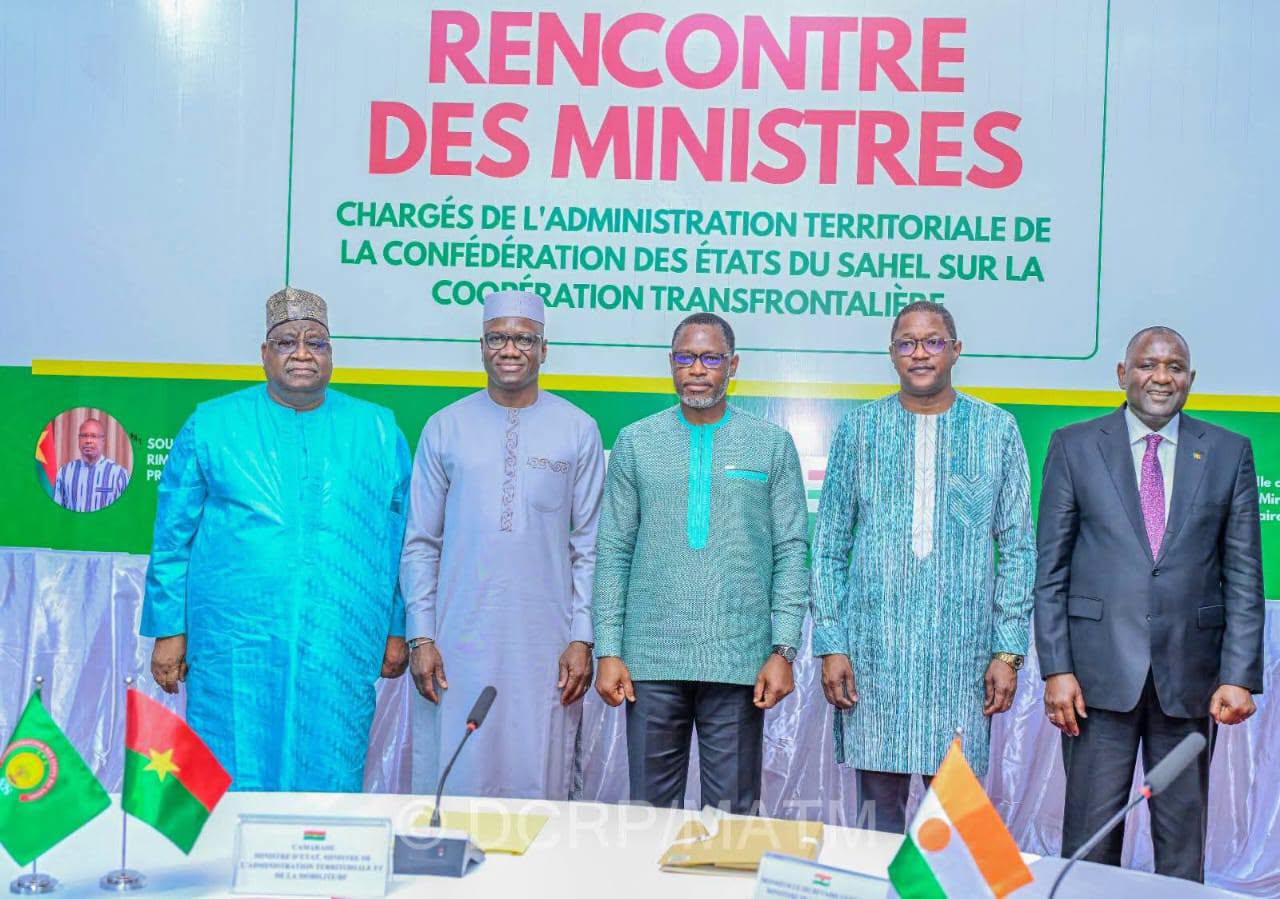
Burkina Faso Hosts Meeting to Adopt AES Treaty Protocol
On Tuesday, September 15, 2026, in Ouagadougou, Burkina Faso, the Minister of State, Minister of Territorial Administration and Mobility, Emile ZERBO, representing the Prime Minister, presided over the official opening ceremony of a meeting for the validation and adoption of an additional protocol to the treaty establishing the Alliance des États du Sahel (AES).
This event carries significant legal weight as it marks a crucial step in the institutionalization and operationalization of the AES, a nascent regional bloc comprising Burkina Faso, Mali, and Niger. The validation and adoption of an additional protocol will likely define or refine the legal framework, objectives, and operational modalities of the AES, particularly concerning border management, peace, and development within the member states. For legal practitioners, this signifies the emergence of a new regional legal and political entity with potential implications for international law, regional trade, security cooperation, and cross-border legal issues. It suggests a concerted move towards greater regional integration and coordinated policy-making among the member states, which could reshape the legal landscape of the Sahel.
The legal context for this development is rooted in international treaty law. The AES was formed by Burkina Faso, Mali, and Niger, following their withdrawal from ECOWAS, and its legal foundation is a founding treaty. Additional protocols, as discussed in this meeting, serve to supplement, amend, or clarify provisions of an existing treaty, and their adoption and entry into force are governed by principles of international law, such as those outlined in the Vienna Convention on the Law of Treaties. The focus on "frontières au service de la paix et du développement" suggests the protocol will address critical legal dimensions related to border security, cross-border movement of persons and goods, trade facilitation, and potentially shared resource management, all of which have significant implications under both national and international law. The involvement of the Minister of Territorial Administration and Mobility underscores the domestic legal and administrative implications of such a regional agreement.
The key parties involved are the member states of the Alliance des États du Sahel (AES), with Burkina Faso represented by its Minister of State, Minister of Territorial Administration and Mobility, Emile ZERBO, acting on behalf of the Prime Minister. The meeting is being held in Ouagadougou, the capital of Burkina Faso. While the excerpt specifically mentions the Burkinabè official presiding, it is implied that representatives from other AES member states (Mali and Niger) would also be participating in this validation meeting.
Attorneys should closely monitor the content and eventual ratification of this additional protocol to the AES founding treaty. Its provisions could significantly impact cross-border legal issues, trade regulations, security cooperation agreements, and the movement of persons and goods between Burkina Faso, Mali, and Niger. Businesses operating or planning to operate in the Sahel region should assess how the evolving legal framework of the AES might affect their operations, particularly regarding customs, immigration, and regional economic policies. Legal professionals specializing in international law, regional integration, and trade should prepare to advise clients on the new legal landscape emerging from the AES's institutional development, as the outcome of this protocol could also influence the relationship between the AES and other regional bodies like ECOWAS.
How does this affect you?
Get an AI analysis of this article grounded in your jurisdictions, practice areas, and any policy documents you've uploaded to Wansom.
Finish Reading the Full Story and the Expert Analysis.
Get the latest legal & regulatory intelligence in Burkina Faso
Wansom is AI and can make mistakes.