
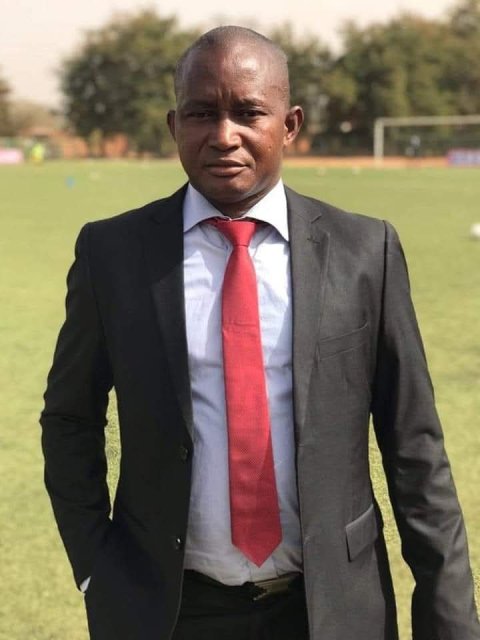
AFBF President: Burkina Faso Football Player Labor Conditions Criticized
Summary
- Ardjouma Sirima, president of the Association des footballeurs du Burkina Faso (AFBF), stated that player working and remuneration conditions are "not at all satisfactory."
- He highlighted specific issues including unpaid salaries, difficulties with player transfers, and problems related to agents.
- Sirima emphasized the need for better support for young footballers.
- He advised young players not to abandon school for a sports career, citing its uncertain outcome.
Player Welfare Concerns Emerge in Burkina Faso
His public declaration that working and remuneration conditions are "not at all satisfactory" serves as a clear signal to football clubs, regulatory bodies, and player agents that the current operational practices are under scrutiny.
Ardjouma Sirima, a prominent figure within Burkinabè football and the current president of the Association des footballeurs du Burkina Faso (AFBF), has voiced significant apprehension regarding the current state of player welfare in the nation's football sector. His recent remarks underscore a critical assessment of the environment in which athletes operate, highlighting systemic challenges that impact their professional lives and financial stability. This public statement from the head of the players' association brings into sharp focus the pressing need for reform and greater accountability within the sport.
Sirima explicitly stated that the working and remuneration conditions for footballers in Burkina Faso are far from satisfactory. This overarching concern encompasses a range of specific difficulties that players frequently encounter. Among the most critical issues he identified are persistent problems with unpaid salaries, which can severely destabilize players' livelihoods and create significant financial hardship. Such remuneration issues are a recurring challenge in many football leagues, but Sirima's direct acknowledgment points to their prevalence and severity within the Burkinabè context.
Beyond salary disputes, the AFBF president also drew attention to complications surrounding player transfers. These difficulties can involve various aspects, from bureaucratic hurdles to disputes over contractual obligations, often leaving players in precarious positions. Furthermore, the role and conduct of player agents were cited as another area of concern, suggesting potential regulatory gaps or ethical issues within the agent-player relationship that require closer examination. These interconnected problems collectively contribute to an environment that Sirima deems inadequate for professional athletes.
The Precarious Path of Aspiring Athletes
The concerns raised by Ardjouma Sirima extend beyond the immediate professional challenges faced by established players, touching upon the foundational aspects of youth development and career planning in Burkinabè football. He emphasized the crucial necessity of providing enhanced support for young footballers, recognizing that their journey into professional sports is often fraught with uncertainty and potential pitfalls. This call for better assistance highlights a proactive approach to safeguarding the future generation of athletes, ensuring they are adequately prepared for the demands and realities of a football career.
In a significant piece of advice directed at aspiring young talents, Sirima urged them to prioritize their education and avoid abandoning school prematurely in pursuit of a sports career. This counsel stems from a realistic understanding of the highly competitive and often unpredictable nature of professional football. He explicitly noted that the ultimate outcome of a sports career remains uncertain, implying that only a small fraction of young players will achieve sustained success, making a solid educational background an essential fallback.
This perspective underscores a broader issue within sports labor: the balance between athletic ambition and long-term personal development. By advocating for continued schooling, the AFBF president is implicitly addressing the potential for exploitation or disillusionment among young players who might otherwise invest all their resources into a career that offers no guarantees. His remarks serve as a vital reminder that while the dream of professional football is powerful, a pragmatic approach to career development, supported by education, is paramount for the well-being of young athletes.
Implications for Football Governance and Labor Rights
The candid assessment from Ardjouma Sirima, as president of the Association des footballeurs du Burkina Faso, carries significant weight for the governance of football within the country and the broader landscape of sports labor law. His public declaration that working and remuneration conditions are "not at all satisfactory" serves as a clear signal to football clubs, regulatory bodies, and player agents that the current operational practices are under scrutiny. This statement could catalyze increased oversight and potentially lead to demands for more robust player protection mechanisms.
The specific issues highlighted—unpaid salaries, difficulties with player transfers, and concerns regarding agent conduct—point to areas where existing regulations may be insufficient or inadequately enforced. For instance, persistent unpaid salaries suggest a need for stricter financial oversight of clubs or more effective dispute resolution mechanisms. Similarly, challenges in player transfers and agent regulations in Burkina Faso indicate a potential gap in ensuring fair play and transparency in contractual agreements, which are fundamental to protecting player rights.
Ultimately, Sirima's intervention underscores the critical importance of upholding labor rights within the sports industry. It suggests that stakeholders, including lawyers advising football clubs, player agents, or athletes, should proactively review current contracts and operational practices. The AFBF's stance signals a potential shift towards greater advocacy for player welfare, which could result in new policies or stricter enforcement of existing ones, aimed at creating a more equitable and stable environment for footballers in Burkina Faso.
Practical Implications
Lawyers advising football clubs, player agents, or athletes in Burkina Faso should review existing contracts and operational practices concerning player remuneration, transfers, and agent agreements. This public statement from the AFBF president signals increased scrutiny and potential for disputes or regulatory changes regarding player welfare and labor rights in the Burkinabè football sector.
Source
How does this affect you?
Get an AI analysis of this article grounded in your jurisdictions, practice areas, and any policy documents you've uploaded to Wansom.
Finish Reading the Full Story and the Expert Analysis.
Get the latest legal & regulatory intelligence in Burkina Faso
Wansom is AI and can make mistakes.