
Burkina Faso: Endogenous Medicine Achieves Legal Recognition
Summary
- Endogenous medical practices in Burkina Faso, once repressed under colonial rule, have progressively gained legal and institutional recognition.
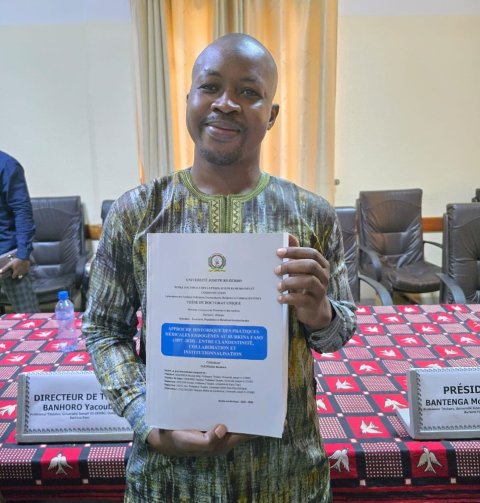
- Dr. Boureima Ouédraogo defended a doctoral thesis on July 16, 2026, at Université Joseph-Ki-Zerbo, detailing the historical approach of these practices from 1897 to 2020.
- His thesis explored themes of clandestinity, collaboration, and institutionalization within Burkina Faso's traditional medicine.
- Dr. Ouédraogo advocates that Burkina Faso must now move beyond mere recognition to the true valorization of its endogenous medicine.
Historical Journey of Endogenous Medicine in Burkina Faso
Dr. Ouédraogo argues that the nation must now transition beyond mere acknowledgment, shifting its focus towards the genuine valorization of these traditional practices.
For an extended period, medical practices rooted in local traditions faced significant marginalization, and at times, outright suppression, particularly during the colonial era in Burkina Faso. This historical context shaped their development, often pushing them into clandestine operation. However, a notable shift has occurred over time, with these traditional healing methods gradually achieving a degree of legal and institutional recognition within the nation's healthcare framework.
This evolving relationship between state and traditional medicine forms the core of recent academic inquiry. The journey from repression to official acknowledgment represents a complex interplay of cultural resilience, changing public health needs, and policy adjustments. Understanding this historical trajectory is crucial for appreciating the current status and future potential of these practices within Burkina Faso's society and healthcare system.
Academic Insights into Recognition and Institutionalization
The intricate history of traditional healing in Burkina Faso has been meticulously explored in a doctoral thesis by Dr. Boureima Ouédraogo. His research, titled "Approche historique des pratiques médicales endogènes au Burkina Faso (1897-2020): entre clandestinité, collaboration et institutionnalisation," delves into the period spanning from 1897 to 2020, charting the various phases these practices underwent.
Dr. Ouédraogo successfully defended his thesis on July 16, 2026, at the Université Joseph-Ki-Zerbo. His work provides a comprehensive historical perspective, examining how endogenous medicine navigated periods of secrecy, engaged in forms of collaboration, and eventually moved towards institutionalization. This academic contribution sheds light on the mechanisms and challenges involved in the progressive legal recognition of Burkina Faso's endogenous medicine, offering valuable context for ongoing policy discussions.
The Imperative for True Valorization
While the legal and institutional recognition of endogenous medicine in Burkina Faso marks a significant step forward, Dr. Boureima Ouédraogo argues that the nation must now transition beyond mere acknowledgment. According to Dr. Ouédraogo, the focus should shift towards the genuine valorization of these traditional practices. This perspective suggests that formal recognition is only the initial phase, and true integration requires deeper engagement and support.
Moving towards valorization implies actively promoting, integrating, and respecting endogenous medicine as a vital component of the national health strategy, rather than simply tolerating its existence. This call for a more profound appreciation underscores the importance of harnessing the full potential of these long-standing healing traditions for the benefit of the Burkinabè population and for preserving cultural heritage. The future of Burkina Faso endogenous medicine legal recognition hinges on this commitment to comprehensive valorization.
Source
Source: Original reporting via Société
How does this affect you?
Get an AI analysis of this article grounded in your jurisdictions, practice areas, and any policy documents you've uploaded to Wansom.
Wansom is AI and can make mistakes.