
BUNEC Cameroon: Advocates for September 16 Identity Day Institutionalization
Summary
- On September 16, 2026, Cameroon observed World Identity Day in Yaoundé.
- The Bureau National de l'Etat Civil (BUNEC) advocated for the institutionalization of September 16 as Cameroon's national Identity Day.
- This advocacy aims to ensure reliable and permanent legal identity for all citizens, crucial for exercising rights and accessing services.
- The initiative aligns Cameroon with countries like Nigeria and Liberia, which have similar national identity observances.
- A conference in Yaoundé, featuring various stakeholders, served as the platform for BUNEC's official plea to the government.
What Happened
The core message conveyed through this theme is the critical importance of ensuring that every person possesses a reliable and enduring legal identity.
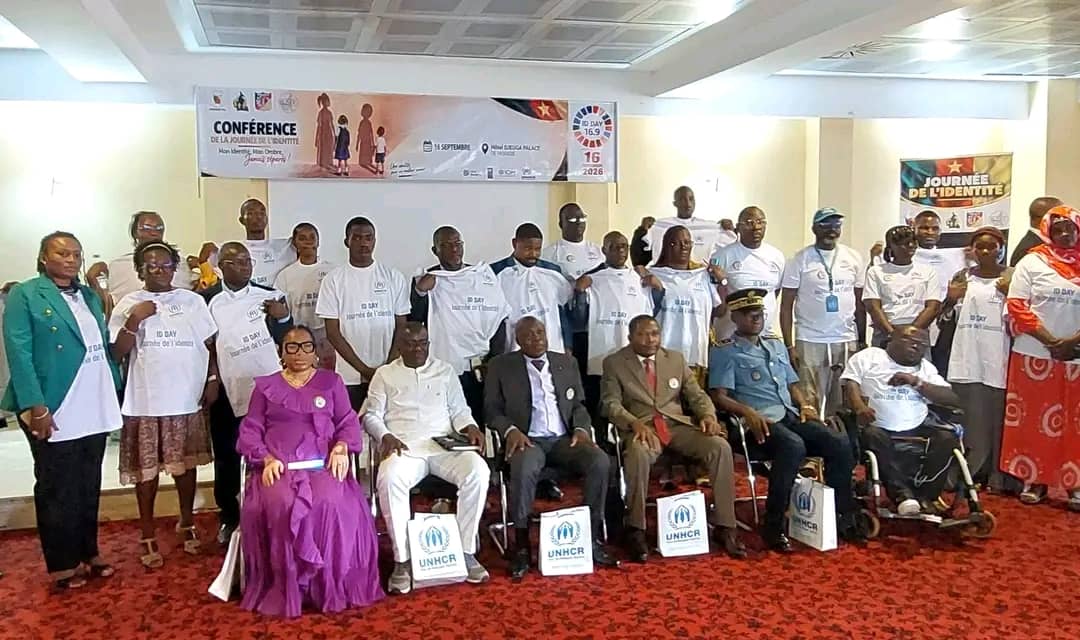
On Wednesday, September 16, 2026, Cameroon joined the global community in observing World Identity Day, known as ID-DAY, with a significant event held in Yaoundé. The Bureau National de l'Etat Civil (BUNEC) spearheaded a conference to mark the occasion, using it as a platform to launch a strong advocacy campaign directed at the government. The central aim of this initiative is the official recognition and institutionalization of September 16 as the dedicated Identity Day in Cameroon, a move that would align the nation with countries like Nigeria and Liberia, which have already adopted similar observances.
The 2026 edition of ID-DAY in Cameroon was celebrated under the evocative theme, "My identity, my shadow. Never separated!" This theme employs a powerful metaphor, likening one's identity to an ever-present shadow, emphasizing the inseparable nature of identity from an individual's life journey. The core message conveyed through this theme is the critical importance of ensuring that every person possesses a reliable and enduring legal identity. Such an identity is presented as an indispensable prerequisite for the full exercise of fundamental rights and seamless access to essential services.
The conference, which served as the focal point for the BUNEC Cameroon September 16 Identity Day activities, was expertly moderated by Professor Armand LEKA ESSOMBA, who chairs the Department of Sociology at the University of Yaoundé I. The gathering attracted a diverse array of stakeholders crucial to the identity ecosystem. Among the attendees were high-ranking officials from BUNEC, ambassadors representing ID4AFRICA, delegates from various institutions involved in identity systems, technical and financial partners, and representatives from civil society organizations. Notably present were Jean Hyacinthe EBELA, an ID4AFRICA ambassador who also represented the Director General of BUNEC, and Eliane EFA. Furthermore, the event featured interactive stands from key organizations such as the Directorate General of National Security (DGSN), the United Nations Development Programme (PNUD), and the International Organization for Migration (OIM), showcasing their contributions to identity-related initiatives.
Legal Context and Advocacy
The central thrust of BUNEC's recent activities in Yaoundé revolves around a concerted plea for the institutionalisation 16 septembre Cameroun as a national observance. This Bureau National de l'Etat Civil plaidoyer seeks to embed the concept of a national recognition for ID-DAY Cameroon within the country's official calendar, mirroring practices already established in neighboring nations such as Nigeria and Liberia. The advocacy underscores a fundamental principle: that a robust and verifiable legal identity is not merely an administrative detail but a foundational element for civic participation and access to justice.
The rationale behind this push for a dedicated Cameroun Journée de l'Identité is rooted in the understanding that a reliable and permanent identité juridique Cameroun is a non-negotiable condition for individuals to fully exercise their rights and to access a wide spectrum of public and private services. Without a clear and undisputed identity, citizens can face significant barriers in areas ranging from healthcare and education to financial services and electoral participation. BUNEC's initiative, therefore, represents a strategic effort to elevate the importance of civil status registration and identity management to a national priority, aiming to secure a future where every Cameroonian's identity is formally recognized and protected.
Why It Matters
The push by BUNEC to establish September 16 as a national Identity Day carries significant implications for Cameroon's administrative and social fabric. By advocating for the institutionalization of this date, the Bureau National de l'Etat Civil is not only seeking to raise public awareness but also to cement the importance of civil status and identity verification at a governmental level. This initiative highlights the critical role a secure and recognized identity plays in fostering social inclusion and ensuring that all citizens can fully participate in national life.
A legally recognized and permanent identity is fundamental for individuals to claim their entitlements, such as birth certificates, national identification cards, and other vital documents. The overarching message from the ID-DAY Cameroon national recognition efforts is that a robust identité juridique Cameroun acts as a gateway, enabling access to essential services like education, healthcare, and social welfare programs. Furthermore, it underpins legal processes, property rights, and democratic participation. BUNEC's sustained plaidoyer for the institutionalisation 16 septembre Cameroun signals a commitment to strengthening the national civil registration system, ultimately aiming to reduce instances of statelessness and ensure that no individual is left without the fundamental "shadow" of a recognized identity.
Practical Implications
This advocacy by BUNEC signals a potential future legislative or administrative focus on identity verification and civil status in Cameroon. Lawyers and compliance officers should monitor developments for new regulations or official directives that may arise from the institutionalization of a National Identity Day, potentially impacting documentation requirements, identity-related legal processes, and access to services.
Source
How does this affect you?
Get an AI analysis of this article grounded in your jurisdictions, practice areas, and any policy documents you've uploaded to Wansom.
Finish Reading the Full Story and the Expert Analysis.
Get the latest legal & regulatory intelligence in Cameroon
Wansom is AI and can make mistakes.