
Zambia: NRPUP Concession Impacts Brian Mundubile Presidential Petition
Summary
- NRPUP President Ezra Tembo and Secretary General Nonde Mubanga publicly conceded defeat and congratulated President Hakainde Hichilema following the 2026 presidential election.
- These two officials are identified as official office bearers of the National Restoration Party (NRPUP).
- Their concession comes amidst a pending presidential petition filed by Brian Mundubile challenging the 2026 election results.
- The legal implication of the NRPUP officials' concession on Mundubile's ongoing challenge is a key question.
- This situation could set a precedent for how Zambian courts interpret the effect of party officials' actions on individual election petitions.
The Concession and Ongoing Challenge
Lawyers involved in electoral litigation in Zambia will be closely watching how the courts weigh the authority of party officials to make such declarations against the individual rights of a petitioner.
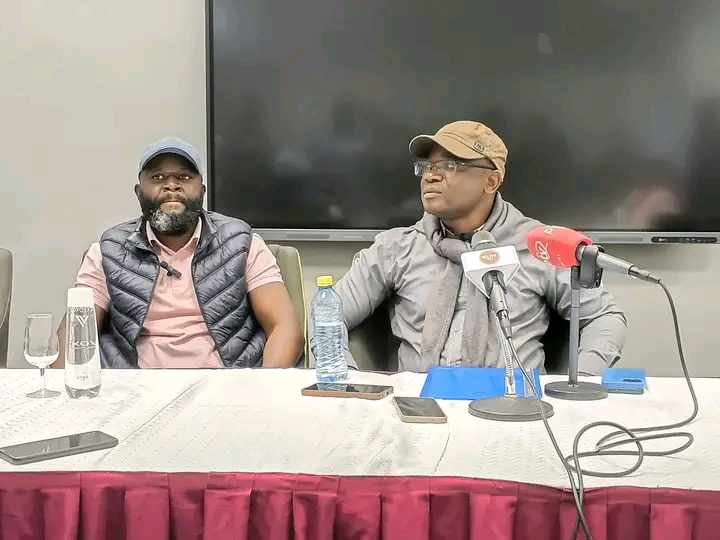
The political landscape in Zambia has seen a notable development with the recent concession of defeat by key officials of the National Restoration Party (NRPUP). Ezra Tembo, serving as the President of NRPUP, along with Nonde Mubanga, the party's Secretary General, publicly acknowledged the outcome of the 2026 presidential election. In a move that has drawn attention, these two individuals, identified by the source as official office bearers of the NRPUP, extended their congratulations to President Hakainde Hichilema.
This public declaration, however, introduces a complex dynamic given the existence of a pending petition challenging the 2026 presidential election results. Brian Mundubile, whose challenge to the 2026 presidential election results remains active, now faces an unusual situation. The concession by senior NRPUP figures, whom the original reporting characterized as "disgruntled," raises significant questions regarding the legal standing and future trajectory of the Brian Mundubile election challenge. The core inquiry revolves around the precise legal implications of such a party-level concession on an individual's ongoing electoral challenge.
Legal Framework for Presidential Petitions in Zambia
Zambian election petition law provides a crucial mechanism for individuals and political parties to contest the results of presidential elections, ensuring avenues for legal recourse against alleged irregularities or malpractices. Typically, these challenges are initiated by presidential candidates or their respective political parties, who must demonstrate a legitimate interest and standing to bring such a case before the courts. The process is designed to uphold the integrity of the electoral system, allowing for judicial review of the election's conduct and outcome.
The viability of a presidential petition often hinges on the strength of the evidence presented and the legal arguments made by the petitioners. While an individual candidate can certainly file a petition, their challenge is frequently intertwined with the broader stance and support of their political party. The courts, in adjudicating these matters, meticulously examine whether the petitioner has met all procedural and substantive requirements, including demonstrating that the alleged irregularities could have materially affected the election results. This framework sets the stage for understanding the potential impact of a party's official actions on an individual's ongoing legal battle.
Implications for the Brian Mundubile Petition
The public concession by NRPUP President Ezra Tembo and Secretary General Nonde Mubanga introduces a novel challenge to the Brian Mundubile presidential petition Zambia implications. A central question for the courts will be how to interpret the NRPUP concession legal effect on a petition brought by an individual who may be associated with or supported by that party. One potential argument could revolve around the concept of standing: if the official leadership of a political party concedes defeat, does this undermine the party's collective challenge, or does it merely reflect the personal views of those officials, leaving an individual's petition unaffected?
The judiciary will likely need to determine whether the actions of the NRPUP officials constitute a formal withdrawal of the party's support for any ongoing challenge, or if Mundubile's petition can proceed independently. Lawyers involved in electoral litigation in Zambia will be closely watching how the courts weigh the authority of party officials to make such declarations against the individual rights of a petitioner. This scenario could lead to complex legal arguments regarding party discipline, the scope of official representation, and the autonomy of a candidate's legal challenge, potentially influencing the viability of the Hakainde Hichilema election challenge.
Broader Significance for Electoral Litigation
The unfolding situation surrounding the Brian Mundubile election challenge and the NRPUP concession carries significant implications for the future of Zambian election petition law and political strategy. The manner in which the courts address the legal effect of party officials' public concessions on pending presidential petitions could establish a crucial precedent. This precedent would directly influence strategic decisions for political clients and legal teams engaged in electoral litigation in subsequent elections, shaping how challenges are mounted and defended.
Should a court rule that such a concession impacts the standing or viability of an associated individual's petition, it could encourage greater party cohesion in electoral challenges and potentially deter individual petitions that run contrary to the party's official stance. Conversely, if the courts uphold the independence of an individual's petition despite a party concession, it would reinforce the autonomy of candidates in pursuing legal remedies. This case, therefore, extends beyond the immediate parties, offering a critical test of the interplay between party politics and the judicial process in Zambia's democratic framework.
Practical Implications
Lawyers advising political clients or involved in electoral litigation in Zambia should closely monitor how courts interpret the legal effect of party officials' public concessions on pending presidential petitions. This could influence strategic decisions regarding challenges and defenses in future elections by establishing a precedent on the standing and viability of such petitions.
Source
How does this affect you?
Get an AI analysis of this article grounded in your jurisdictions, practice areas, and any policy documents you've uploaded to Wansom.
Wansom is AI and can make mistakes.