
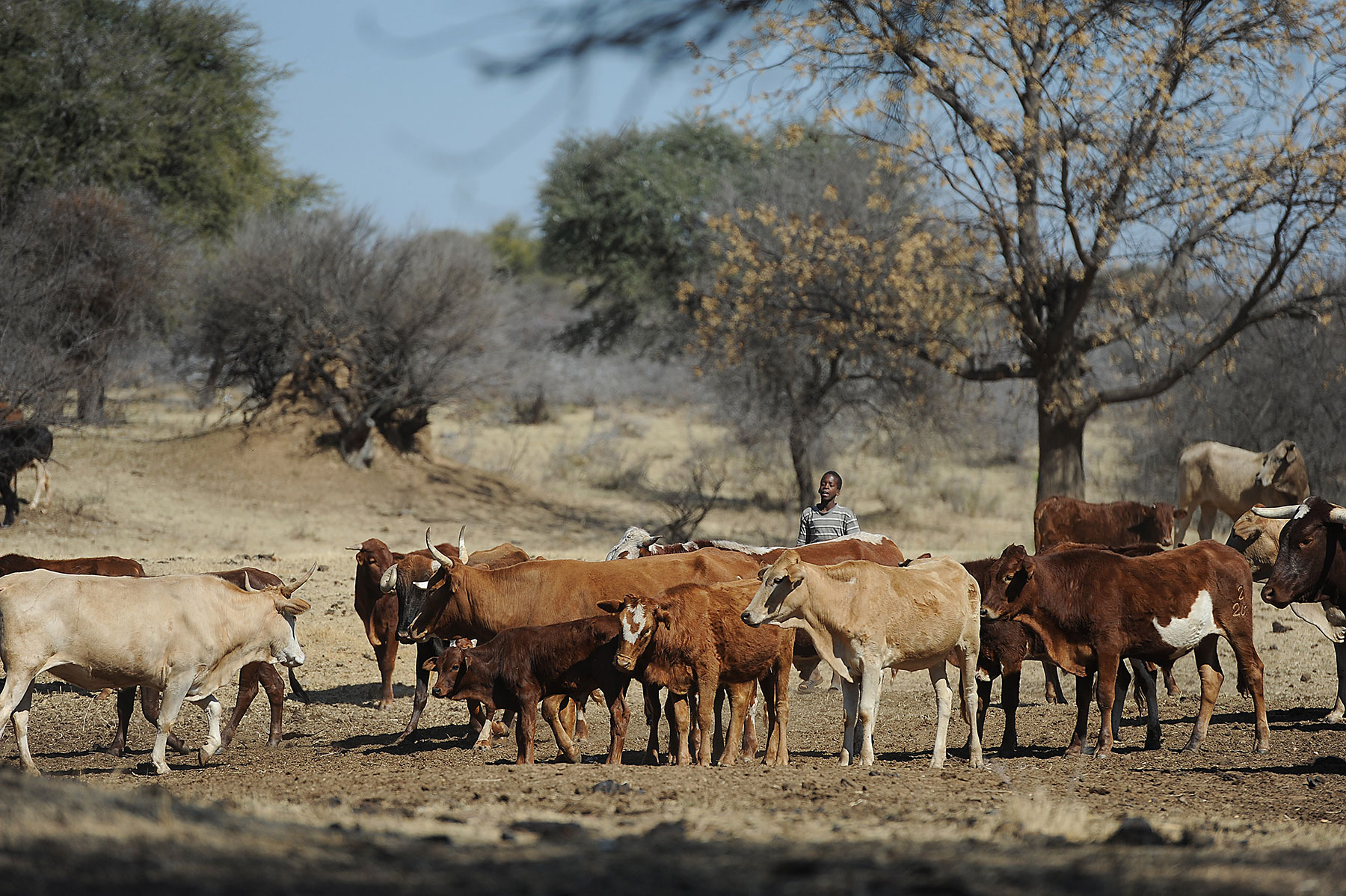
Botswana, Namibia, Angola: Beef Transit Agreement Opens Ngamiland Export Route
Summary
- Botswana and Namibia have formalized an agreement allowing Ngamiland beef to transit through Namibia into Angola.
- Dr. Edwin Dikoloti, Botswana's Minister of Lands and Agriculture, announced this long-awaited breakthrough.
- Ngamiland cattle farmers anticipate the deal will revive local cattle farming and boost the Botswana Meat Commission's Maun abattoir.
- The agreement establishes new regulatory pathways requiring adherence to specific customs, sanitary, and phytosanitary compliance standards.
- This initiative is expected to significantly improve market access for Botswana's beef and foster regional trade.
New Beef Transit Route Established
This agreement inherently creates new regulatory pathways for cross-border animal product transit in Southern Africa.
A significant agreement has been reached between the governments of Botswana and Namibia, paving the way for beef originating from Botswana's Ngamiland region to transit through Namibian territory en route to Angola. This development, which establishes a crucial new pathway for the Botswana Namibia Angola beef transit agreement, was officially announced by Dr. Edwin Dikoloti, Botswana's Minister of Lands and Agriculture.
The announcement signals a long-awaited breakthrough for the region's cattle farmers, who have expressed considerable optimism regarding its potential impact. The deal is specifically designed to facilitate the export of Ngamiland beef into the Angolan market, utilizing Namibia as a vital logistical corridor.
Farmers in Ngamiland have warmly welcomed the initiative, anticipating that it will inject new life into the local cattle farming sector. The agreement is also expected to significantly improve the operational fortunes of the Botswana Meat Commission (BMC) Maun abattoir, which processes much of the region's livestock.
Regulatory Pathways and Compliance
The establishment of this transit agreement inherently creates new regulatory pathways for cross-border animal product transit in Southern Africa. While the immediate focus is on beef, such an arrangement necessitates adherence to specific customs, sanitary, and phytosanitary compliance standards to ensure the safe and legal movement of livestock products across international borders.
This Botswana Namibia trade agreement for livestock transit underscores the complex legal and logistical frameworks required for regional trade. For the beef from Ngamiland to successfully reach Angola, it must meet not only the import requirements of Angola but also the transit regulations of Namibia, covering aspects from veterinary health certificates to packaging and transportation protocols.
Legal and compliance professionals will need to meticulously review the detailed terms of this agreement to advise stakeholders on the precise requirements for adherence. Ensuring full compliance will be critical to mitigate potential trade disruptions, logistical bottlenecks, and any risks associated with the cross-border movement of animal products.
Economic Revival for Ngamiland
The direct economic impact of the Angola beef import from Botswana, facilitated by this new transit route, is expected to be substantial for the Ngamiland region. Local cattle farmers foresee a revival of their industry, which has long sought expanded market access for its produce. The ability to reliably export Ngamiland beef export Namibia Angola is seen as a catalyst for increased production and improved livelihoods.
Furthermore, the Botswana Meat Commission Maun abattoir impact is projected to be profoundly positive. With a guaranteed and efficient route to a new international market, the abattoir can anticipate increased throughput and improved operational efficiency, strengthening its role as a key economic pillar in the region.
This agreement represents a strategic move to unlock the full potential of Ngamiland's cattle industry, providing a stable and accessible export channel that could transform the economic landscape for farmers and related businesses in Botswana.
Broader Regional Trade Implications
Beyond the immediate benefits to Ngamiland, this Botswana Namibia Angola beef transit agreement holds broader implications for regional trade and cooperation. It demonstrates a successful model for overcoming geographical barriers and fostering economic integration among Southern African nations, particularly in the agricultural sector.
The 'long-awaited breakthrough' sentiment expressed by farmers highlights the historical challenges in establishing such cross-border trade mechanisms. This agreement could serve as a precedent for future collaborations, streamlining the movement of goods and enhancing the overall efficiency of supply chains within the Southern African Development Community (SADC) region.
By facilitating the Angola beef import from Botswana via Namibia, the agreement not only opens up new markets but also strengthens bilateral and trilateral relationships, promoting economic stability and growth across the participating countries.
Practical Implications
This agreement establishes new regulatory pathways for Botswana beef transit, requiring lawyers to advise clients on specific customs, sanitary, and phytosanitary compliance standards for cross-border movement through Namibia into Angola. Compliance officers should review the detailed terms to ensure adherence and mitigate potential trade or logistical risks.
Source
How does this affect you?
Get an AI analysis of this article grounded in your jurisdictions, practice areas, and any policy documents you've uploaded to Wansom.
Wansom is AI and can make mistakes.