
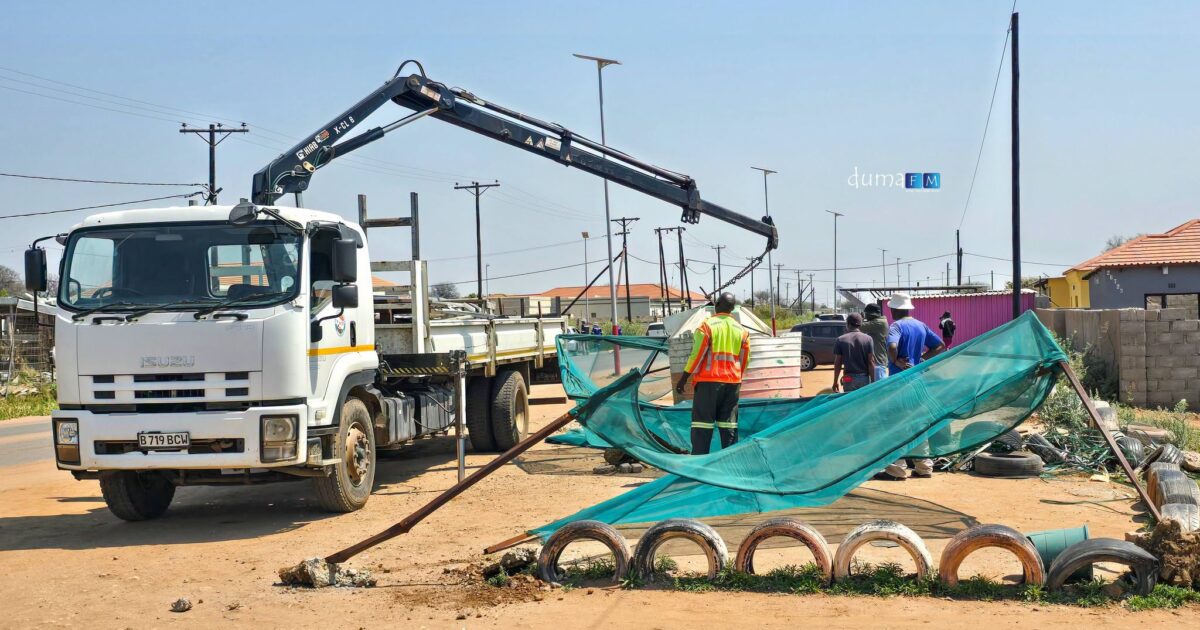
BOPEU: Condemns Botswana Informal Trader Demolitions, Demands Alternatives
Summary
- The Botswana Public Employees Union (BOPEU) has condemned the demolition of informal trading stalls in Thamaga and Mogoditshane.
- BOPEU warns that these demolitions, conducted without realistic alternatives, risk worsening poverty and unemployment.
- The union emphasizes that many households depend on these small informal businesses for their livelihood.
- BOPEU is actively supporting the informal traders affected by these enforcement actions.
What Happened
Lawyers must now consider not only the legality of such demolitions but also their broader social impact and the potential for union-backed litigation, particularly concerning human rights and the protection of livelihoods within the informal sector.
The Botswana Public Employees Union (BOPEU) has issued a strong condemnation regarding recent actions against informal traders in Botswana, specifically opposing the demolition of stalls and temporary business structures. These enforcement activities, which directly impacted numerous individuals reliant on small-scale operations for their income, occurred in the Thamaga and Mogoditshane areas. BOPEU's intervention underscores a significant pushback against municipal or governmental efforts to clear informal trading spaces, particularly when such actions are carried out without providing viable alternatives for those displaced. The union's statement highlights a growing tension between urban development initiatives and the needs of the informal sector.
Union's Stance and Concerns
BOPEU has explicitly warned that the destruction of informal trading spaces, especially when undertaken without offering realistic alternative arrangements, carries a high risk of exacerbating poverty and unemployment. The union underscored the critical role these small businesses play in supporting countless households, many of which are entirely dependent on the income generated from such informal sector activities. By publicly supporting the affected informal traders, BOPEU emphasizes a fundamental concern that urban planning enforcement, when devoid of comprehensive alternative solutions, can lead to severe socio-economic consequences for vulnerable populations. This position frames the issue squarely as one of informal sector livelihood protection in Botswana, suggesting that the human rights of informal traders are directly implicated by such demolition efforts. The union's firm stance reflects a commitment to safeguarding the economic stability of its members and the broader working class.
Why It Matters
This development holds significant implications for urban planning enforcement in Botswana and for legal professionals advising local authorities or property developers. The firm stance taken by the Botswana Public Employees Union indicates a growing potential for organized opposition and legal challenges against actions that displace informal businesses without adequate provision for their relocation or alternative income generation. Lawyers must now consider not only the legality of such demolitions but also their broader social impact and the potential for union-backed litigation, particularly concerning human rights and the protection of livelihoods within the informal sector. The union's clear statement signals increased scrutiny and a heightened risk of legal action against entities that proceed with such Botswana informal trader demolitions BOPEU without robust and realistic alternatives for affected traders, thereby emphasizing the need for a more socially conscious approach to urban development.
Practical Implications
Lawyers advising local authorities or property developers on urban planning and enforcement actions must consider the social impact and potential for union opposition or legal challenges related to informal trader demolitions, particularly concerning human rights and livelihood protection. This development signals increased scrutiny and potential for litigation against actions that displace informal businesses without adequate alternatives.
Source
How does this affect you?
Get an AI analysis of this article grounded in your jurisdictions, practice areas, and any policy documents you've uploaded to Wansom.
Finish Reading the Full Story and the Expert Analysis.
Get the latest legal & regulatory intelligence in Botswana
Wansom is AI and can make mistakes.