
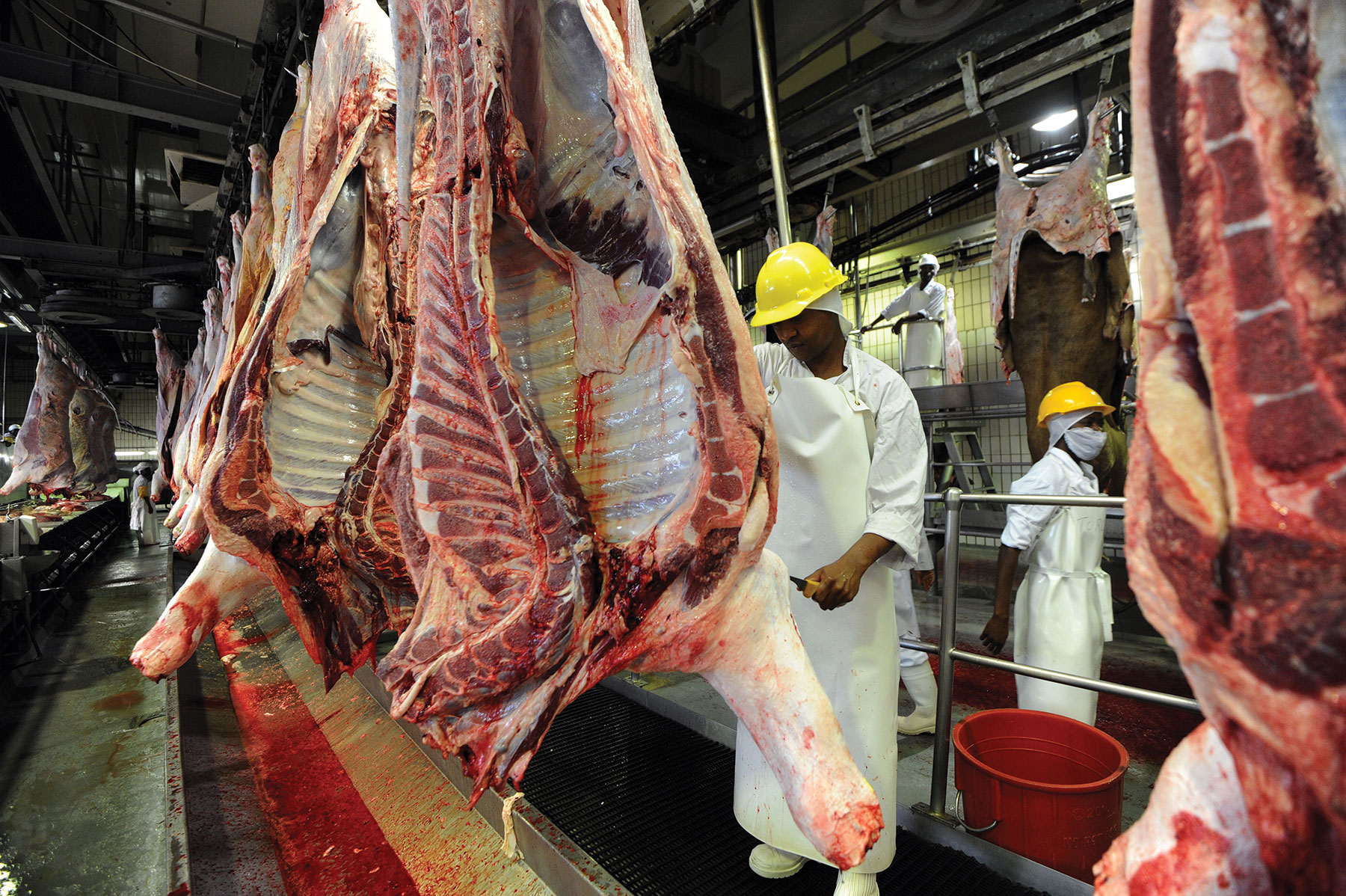
Botswana: FMD Cattle Meat Export Policy Approved to Aid Farmers
Summary
- Botswana's government has approved a new policy allowing the export of live cattle and meat products.
- This measure is designed to help livestock farmers recover from market disruptions caused by a Foot and Mouth Disease outbreak.
- Minister of Lands and Agriculture, Dr. Edwin Dikoloti, announced the dispensation at a media event this week.
New Export Pathways Approved
The re-establishment of export capabilities for live cattle and meat products is a critical step towards revitalizing Botswana's agricultural sector.
The government of Botswana has officially sanctioned a renewed policy allowing for the export of live cattle and various meat products. This significant decision was made public by Dr. Edwin Dikoloti, the Minister of Lands and Agriculture, during a media engagement held at Grand Aria this week. The initiative is specifically designed to provide crucial support to the nation's livestock farmers, who have faced considerable economic challenges over recent months.
This governmental approval represents a direct response to the severe market disruptions experienced by the agricultural sector. Farmers have contended with prolonged periods where their ability to sell and export livestock products was significantly curtailed. The new dispensation aims to alleviate these pressures by re-establishing vital trade routes for Botswana FMD cattle meat export, thereby fostering economic recovery within the farming community.
Addressing Foot and Mouth Disease Impact
The primary catalyst for the recent market instability and the subsequent need for this new policy was a widespread outbreak of Foot and Mouth Disease (FMD). This animal health crisis led to the imposition of restrictions that effectively halted the marketing and export of livestock, causing substantial financial strain on farmers across the country. The FMD outbreak necessitated stringent control measures, which, while crucial for disease containment, severely impacted the livelihoods of those dependent on the cattle industry.
By introducing this renewed dispensation, the government seeks to counteract the negative effects of the FMD outbreak, facilitating a return to normal operations for affected farmers. This strategic move is intended to unlock Botswana Foot and Mouth Disease exports, allowing producers to regain access to international markets and begin the process of economic recuperation after a challenging period of restricted trade.
Restoring Market Access for Farmers
The re-establishment of export capabilities for live cattle and meat products is a critical step towards revitalizing Botswana's agricultural sector. This policy adjustment provides a much-needed boost to farmers who have endured months of limited sales opportunities due to the FMD-related trade barriers. The government's intention is to ensure that these farmers can once again participate in the broader market, selling their produce and contributing to the national economy.
This renewed access is vital for creating Botswana FMD recovery export opportunities, enabling farmers to recoup losses and invest in future production. The dispensation underscores the government's commitment to supporting its agricultural base, ensuring that the regulatory framework adapts to allow for economic activity while managing public health concerns. It signals a positive shift for Botswana agricultural export market access, offering a pathway to stability and growth for livestock producers.
Policy Framework for Livestock Trade
The approval of this renewed dispensation signifies a targeted adjustment within Botswana's existing livestock product export regulations. Such a policy change is essential for navigating the complexities of international trade, particularly when dealing with animal health concerns like FMD. It demonstrates the government's capacity to implement flexible regulatory measures that respond to specific crises while upholding broader trade commitments and animal welfare standards.
This regulatory update is not merely an isolated decision but forms part of a broader strategy to maintain and expand market access for Botswana's agricultural goods. By carefully managing the conditions under which exports can resume, the government aims to ensure compliance with international health protocols while simultaneously empowering its farming community. The Minister's announcement highlights a proactive approach to policy-making, designed to mitigate the economic fallout from disease outbreaks and secure the future of the nation's livestock industry.
Practical Implications
Lawyers advising agricultural businesses or exporters in Botswana should review the details of this renewed dispensation for live cattle and meat product exports to ensure clients can capitalize on new market access and comply with any updated regulatory requirements.
Source
How does this affect you?
Get an AI analysis of this article grounded in your jurisdictions, practice areas, and any policy documents you've uploaded to Wansom.
Finish Reading the Full Story and the Expert Analysis.
Get the latest legal & regulatory intelligence in Botswana
Wansom is AI and can make mistakes.