
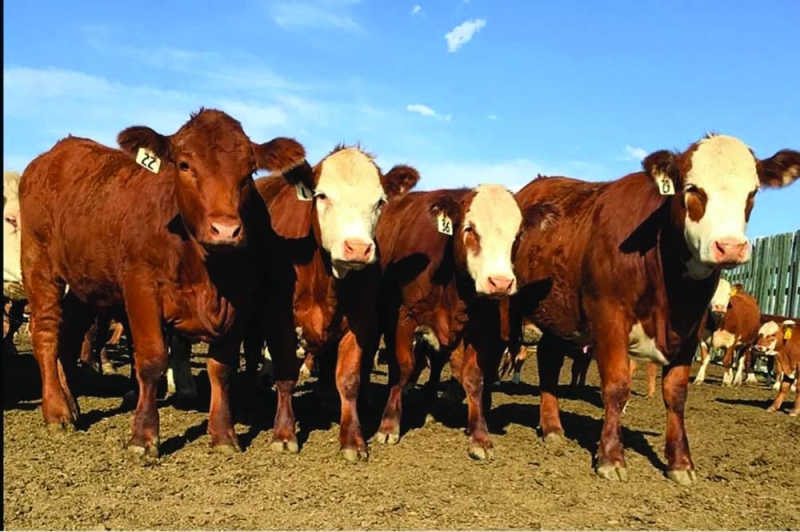
Botswana FMD Cattle Dowry Impact: Restrictions Delay Marriages
Summary
- An FMD outbreak in Botswana's Southern District has halted cattle movement, directly impacting the traditional bogadi (cattle dowry) practice.
- Kgosi Thatayaone Makaba warned that prolonged restrictions could trigger new social challenges, particularly for the Bangwaketse community.
- Government 'stamping out' policies and movement bans, vital for disease control and beef exports, prevent families from fulfilling customary marriage obligations.
- This creates tension between families, potential disputes over marriage validity, and a push towards non-traditional cash payments for dowry.
- The situation highlights a need for adaptive solutions, such as special permits for bogadi cattle, to reconcile public health mandates with customary law.
Cattle Dowry Tradition Under Threat
This situation creates potential legal disputes regarding the fulfillment of customary marriage obligations and property rights, requiring lawyers to navigate the intersection of public health regulations and customary law in Botswana.
An ongoing outbreak of Foot-and-Mouth Disease (FMD) in Botswana is creating significant social challenges, particularly impacting the customary practice of bogadi, or cattle dowry. The headman of Rasegotshane ward, Kgosi Thatayaone Makaba, has issued a warning that prolonged restrictions imposed to control the disease could exacerbate these issues, especially within the Bangwaketse community. The core problem stems from government-mandated limitations on cattle movement, which directly impede families' ability to fulfill traditional marriage obligations requiring the transfer of livestock.
The FMD outbreak, specifically identified in Zone 6b of the Southern District, has led to a comprehensive ban on transporting cattle from this area. This prohibition extends to other crucial zones, including Zone 6a (Kanye), Zone 6c (Moshupa), and Zone 7 (Gaborone). Consequently, families engaged in traditional marriage arrangements find themselves unable to deliver the required bogadi cattle, leading to delays and potential disputes over the validity of these unions. This situation forces a difficult choice between adhering to deeply ingrained cultural practices and complying with public health regulations.
Regulatory Framework and Public Health Imperatives
The Botswana government has implemented stringent measures to contain the FMD outbreak, including a 'stamping out' policy that involves culling affected cattle and widespread vaccination efforts in the impacted regions. These actions are primarily aimed at controlling the spread of the highly contagious disease and, crucially, at safeguarding Botswana's vital beef export market, particularly to the European Union. The economic implications of an uncontrolled FMD outbreak are substantial, making these public health interventions a national priority.
While these regulations are essential for disease control and economic stability, they inadvertently clash with the intricate framework of customary law governing marriage in Botswana. The inability to move cattle across zones, even for culturally significant events like bogadi, highlights a tension between modern public health mandates and long-standing traditional practices. This intersection creates a complex legal and social dilemma for families attempting to navigate both systems simultaneously.
Emerging Social and Legal Challenges
The prolonged FMD restrictions are causing considerable tension between families, as the inability to complete bogadi payments can lead to disagreements over the legitimacy of marriages. In some instances, families are contemplating or resorting to alternative forms of payment, such as cash, to circumvent the cattle movement ban. While this offers a practical solution, it represents a significant deviation from the traditional practice, potentially eroding the cultural significance and symbolic value of bogadi as a transfer of livestock.
Kgosi Thatayaone Makaba has suggested that the government explore options for issuing special permits. These permits would allow the movement of bogadi cattle under strictly controlled conditions, potentially alleviating some of the social pressure and preventing the breakdown of customary obligations. This proposal underscores the need for adaptive legal and administrative solutions that acknowledge the unique challenges posed by public health crises to traditional societal structures and practices in Botswana.
Broader Implications for Customary Law
The ongoing FMD crisis and its impact on the cattle dowry tradition in Botswana underscore a broader challenge at the intersection of public health regulations and customary law. This situation creates potential legal disputes regarding the fulfillment of customary marriage obligations and property rights, requiring lawyers to navigate the intersection of public health regulations and customary law in Botswana. The inability to fulfill bogadi obligations due to external factors like disease outbreaks could prompt a re-evaluation of how customary law adapts to unforeseen circumstances, potentially leading to new interpretations or legislative adjustments.
This scenario signals emerging social challenges that may necessitate new legislative or judicial interpretations concerning traditional practices. The long-term implications could include a shift in how bogadi is perceived and executed, or the development of formal mechanisms to reconcile traditional requirements with modern regulatory demands. The experience of the Bangwaketse community, grappling with the Botswana FMD cattle dowry impact, serves as a critical case study for understanding how public health crises can ripple through and reshape the fabric of customary legal systems.
Practical Implications
This situation creates potential legal disputes regarding the fulfillment of customary marriage obligations (bogadi/dowry) and property rights, requiring lawyers to navigate the intersection of public health regulations and customary law in Botswana. It signals emerging social challenges that may lead to new legislative or judicial interpretations concerning traditional practices.
Source
How does this affect you?
Get an AI analysis of this article grounded in your jurisdictions, practice areas, and any policy documents you've uploaded to Wansom.
Finish Reading the Full Story and the Expert Analysis.
Get the latest legal & regulatory intelligence in Botswana
Wansom is AI and can make mistakes.