
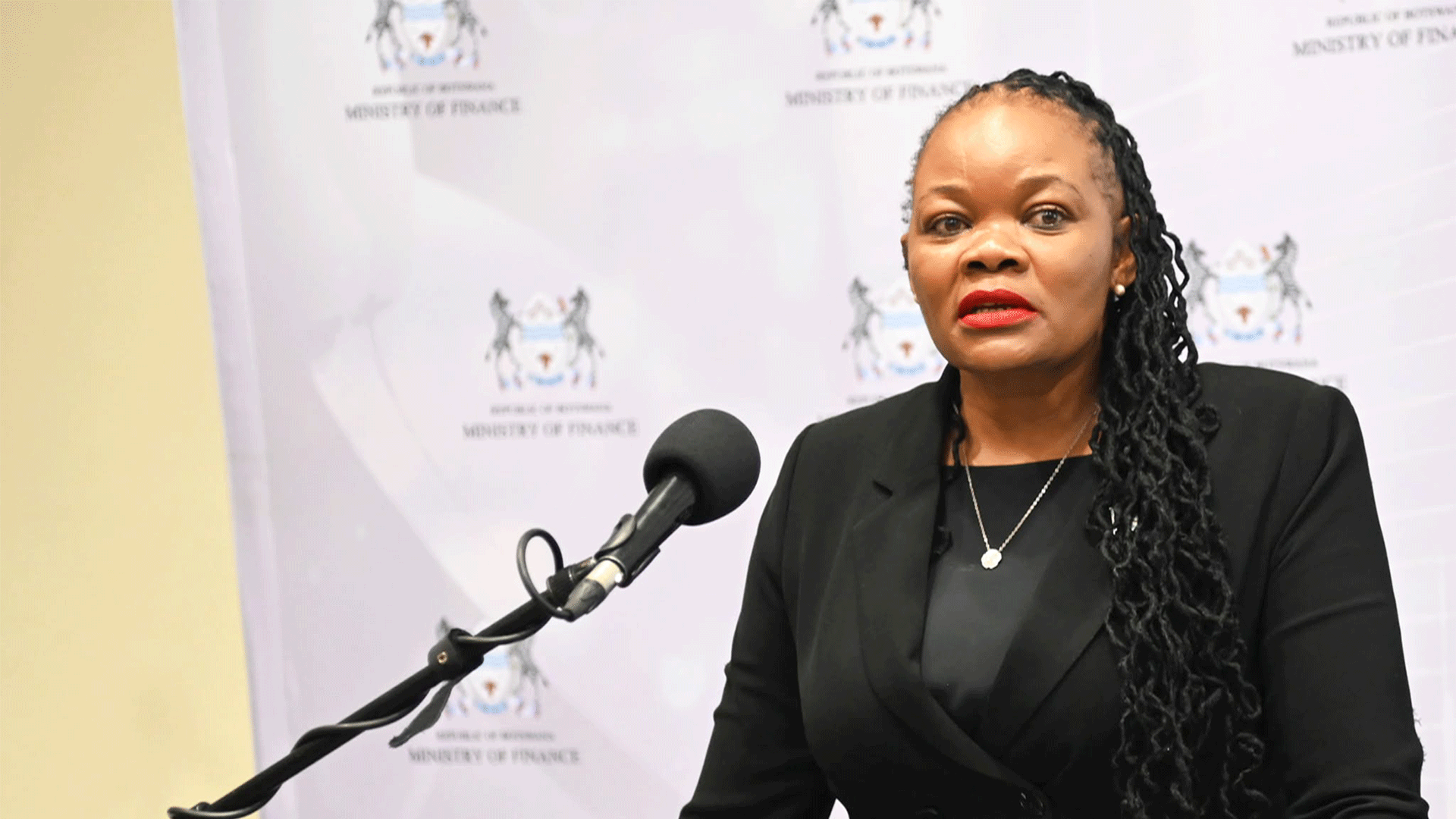
Botswana FIA Report: Corruption Hits P174.68 Million in Development Finance
Summary
- A recent FIA report reveals P174 million in proceeds from corruption in Botswana's development finance institutions.
- Corruption accounts for approximately 87 percent of identified criminal proceeds in the sector since 2021.
- The report highlights the need for increased vigilance and cooperation among development finance institutions to prevent and combat corruption.
What Happened
Corruption has emerged as the primary predicate offense affecting Botswana's development finance institutions, resulting in a staggering P174.68 million in proceeds.
A recent report by the Financial Intelligence Agency (FIA) has shed light on the significant impact of corruption on Botswana's development finance institutions. The report, titled 'Seeing the Cracks: Understanding Money Laundering, Terrorism Financing & Proliferation Financing Risks to Secure Development Finance,' focuses on offenses reported since 2021. Corruption has emerged as the primary predicate offense affecting these institutions, resulting in a staggering P174.68 million in proceeds.
This figure represents approximately 87 percent of identified criminal proceeds in recent years. The report highlights the need for increased vigilance and cooperation among development finance institutions to prevent and combat corruption.
Relevant Legal/Regulatory Context
The FIA's report is a critical tool for understanding the risks associated with money laundering, terrorism financing, and proliferation financing in Botswana's development finance sector. The Financial Intelligence Agency plays a crucial role in monitoring and analyzing financial transactions to prevent illicit activities. In this context, the report serves as a warning signal for institutions to review their internal controls and risk management strategies.
The report's findings are particularly relevant given the increasing importance of development finance in Botswana's economic growth. The country's development finance institutions, such as CEDA and BDC, play a vital role in supporting local businesses and promoting economic development.
Why It Matters
The FIA report's revelations about corruption in Botswana's development finance sector have significant implications for lawyers and compliance officers. The report highlights the need for institutions to review their clients' involvement in these sectors and assess potential exposure to corruption risks.
As development finance continues to play a critical role in Botswana's economic growth, it is essential that institutions prioritize transparency and accountability. By doing so, they can mitigate the risk of corruption and ensure that development finance serves its intended purpose – promoting economic growth and reducing poverty.
Practical Implications
Lawyers and compliance officers should be aware of the significant impact of corruption on Botswana's development finance institutions, as highlighted by the FIA report, and consider reviewing their clients' involvement in these sectors for potential exposure.
Source
How does this affect you?
Get an AI analysis of this article grounded in your jurisdictions, practice areas, and any policy documents you've uploaded to Wansom.
Wansom is AI and can make mistakes.