
Botswana Faces Diplomatic Hurdle Over Captured Citizen
In Botswana, Ukraine is demanding assurances that a Motswana citizen captured while fighting for Russian forces will not rejoin those forces, thereby complicating Botswana's diplomatic efforts to secure the citizen's release.
This situation carries significant legal and diplomatic implications, highlighting the complex interplay of international law, national sovereignty, and consular protection in times of armed conflict. For legal practitioners, it underscores the intricate challenges involved in providing consular assistance to citizens engaged in foreign conflicts, particularly when those conflicts involve multiple state actors and raise questions of neutrality or international humanitarian law. The demand for assurances from Ukraine introduces a conditionality that directly impacts Botswana's ability to exercise diplomatic protection and secure the return of its national, potentially setting a precedent for similar cases involving foreign fighters.
The legal context for this matter involves principles of international humanitarian law, which governs the conduct of armed conflict, and international customary law concerning state responsibility and diplomatic protection. While the excerpt does not specify the Motswana's status (e.g., prisoner of war), the Geneva Conventions and their protocols would be relevant if the individual is considered a combatant. Botswana's foreign policy, guided by its Minister of International Relations Phenyo Butale, must navigate these international legal frameworks while pursuing its national interest in protecting its citizens abroad. The negotiations are inherently diplomatic, but the underlying principles are rooted in international legal obligations and rights.
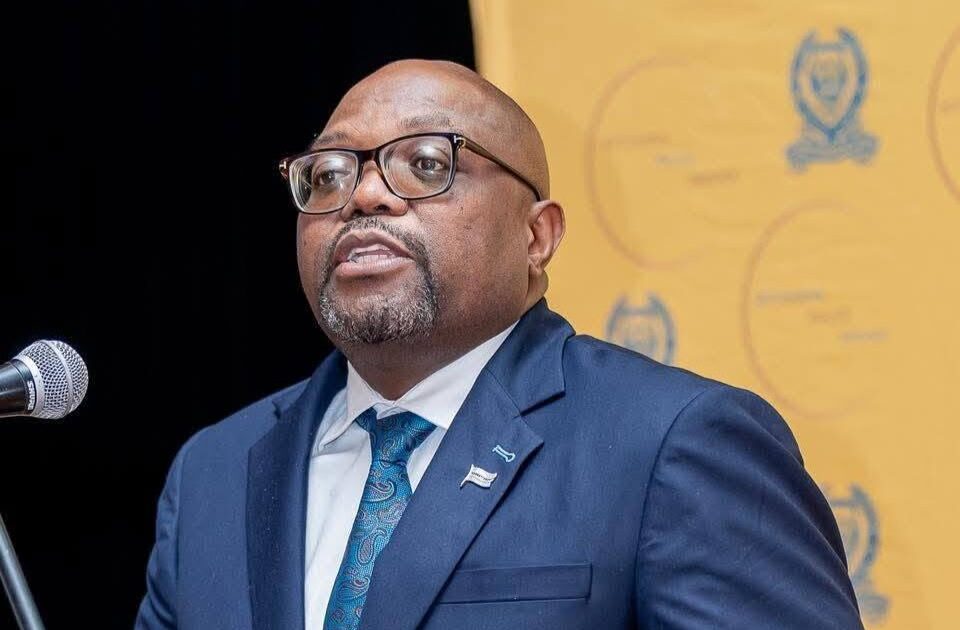
The key parties involved are Ukraine, which is making the demand for assurances; Botswana, which is attempting to secure the citizen's release; the captured Motswana citizen; and Russia, for whose forces the Motswana was fighting. Minister Phenyo Butale is identified as a central figure in Botswana's diplomatic efforts. The outcome of these negotiations and whether Botswana will be able to meet Ukraine's demands or secure the citizen's release is not yet reported.
Attorneys advising governments, international organizations, or individuals involved in foreign conflicts should closely monitor this case. It serves as a critical example of the legal and practical complexities arising when citizens participate in armed conflicts abroad, particularly concerning their status, rights, and the extent of diplomatic protection their home country can afford. Practitioners should be prepared to advise on international humanitarian law, consular law, and the diplomatic channels necessary to navigate such sensitive situations, understanding that political considerations often heavily influence legal outcomes in this domain.
How does this affect you?
Get an AI analysis of this article grounded in your jurisdictions, practice areas, and any policy documents you've uploaded to Wansom.
Finish Reading the Full Story and the Expert Analysis.
Wansom is AI and can make mistakes.