
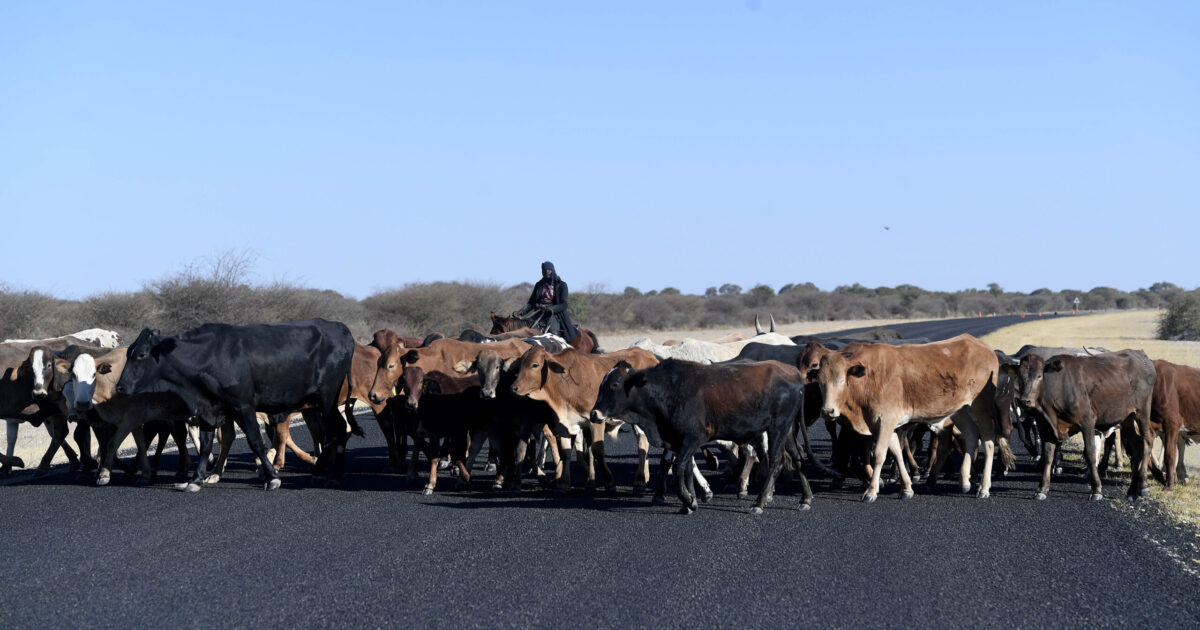
Botswana DVS: Proposed Livestock Seizure Law Implications for Owners
Summary
- Botswana has existing legislation that allows the Department of Veterinary Services (DVS) to confiscate livestock.
- The DVS has powers to seize animals found straying into designated restricted areas, particularly those related to Foot and Mouth Disease (FMD) control.
- These restricted areas are established under FMD control measures to prevent disease spread.
- Livestock owners whose animals are confiscated under existing laws may permanently lose their assets.
- These measures aim to strengthen FMD control and enhance biosecurity within the country's agricultural sector.
Botswana's Proposed Livestock Seizure Law
For livestock owners in Botswana, existing legislation introduces a profound risk of permanent asset forfeiture.
Botswana has existing legislation that governs how the Department of Veterinary Services (DVS) manages livestock control, including powers related to the seizure and disposal of animals. These laws enable the confiscation of animals, particularly those found straying into areas officially designated as restricted zones under existing Foot and Mouth Disease (FMD) control measures.
The implications for livestock owners are substantial, as existing legislation stipulates that animals seized under certain conditions, such as not being claimed or being in FMD-infected zones, can be permanently lost to their owners through disposal or destruction. This reflects a definitive shift towards stricter enforcement aimed at bolstering the nation's defenses against FMD, a highly contagious viral disease that can devastate livestock populations and severely impact agricultural economies.
Botswana's existing livestock seizure laws introduce a level of accountability for animal husbandry, particularly for those operating near or within the vicinity of FMD control areas. The permanent nature of confiscation in certain scenarios underscores the seriousness with which the authorities view breaches of these restricted zones, aiming to deter any actions that could compromise national disease prevention efforts.
Enhancing Foot and Mouth Disease Control
The rationale behind these stringent measures lies in Botswana's ongoing commitment to controlling Foot and Mouth Disease. FMD control areas legislation is a critical component of the country's strategy to protect its valuable livestock industry and ensure market access for its agricultural products. These restricted zones are strategically established to prevent the movement of potentially infected animals, thereby containing outbreaks and safeguarding disease-free regions.
The Department of Veterinary Services, as the primary regulatory body for animal health, plays a pivotal role in implementing and enforcing these control measures. The DVS Botswana's powers in livestock management are enhanced by existing laws that allow for decisive action when disease protocols are violated, including the seizure or destruction of livestock and contaminated materials. By allowing for the confiscation of stray animals, the legislation aims to eliminate a key pathway for disease transmission, reinforcing the integrity of the FMD control infrastructure.
This proactive approach reflects the severe economic and social consequences associated with FMD outbreaks. Uncontrolled animal movement is a major risk factor, and existing laws seek to mitigate this by imposing clear penalties for non-compliance. It is a direct response to the persistent challenge of maintaining biosecurity in a landscape where livestock often graze freely or are managed in ways that can inadvertently lead to their straying.
Significant Implications for Livestock Owners and Asset Forfeiture
Existing legislation carries profound implications for livestock owners across Botswana, introducing a significant risk of asset forfeiture. The prospect of Botswana stray livestock confiscation means that an animal, which often represents a substantial portion of a family's wealth or a primary source of income, could be permanently lost without compensation if it wanders into a restricted FMD zone or is not claimed. This necessitates a heightened level of vigilance and improved animal management practices from all owners.
Botswana's animal asset forfeiture provisions, particularly under the Diseases of Animals Act and local bye-laws, allow the state to appropriate private property under specific circumstances related to public health and disease control. Such measures can have far-reaching economic consequences, particularly for small-scale farmers who may have limited resources to prevent their animals from straying. The potential loss of an entire herd due to a single incident of straying could be financially devastating.
The application of these laws undoubtedly touches upon livestock owners' rights in Botswana, as the powers prioritize collective biosecurity over individual property claims in high-risk scenarios. While the aim is to protect the broader agricultural economy from FMD, the mechanism of confiscation represents a stringent enforcement tool. It underscores the need for comprehensive public awareness campaigns to educate owners about the boundaries of restricted areas and the severe penalties associated with non-compliance, ensuring they understand the full scope of their responsibilities under the existing regime.
Practical Implications
Lawyers advising livestock owners or agricultural businesses in Botswana must monitor this proposed legislation closely, as it introduces a significant risk of permanent asset forfeiture for straying animals, requiring proactive client education on compliance with FMD control area regulations.
Source
How does this affect you?
Get an AI analysis of this article grounded in your jurisdictions, practice areas, and any policy documents you've uploaded to Wansom.
Finish Reading the Full Story and the Expert Analysis.
Get the latest legal & regulatory intelligence in Botswana
Wansom is AI and can make mistakes.