
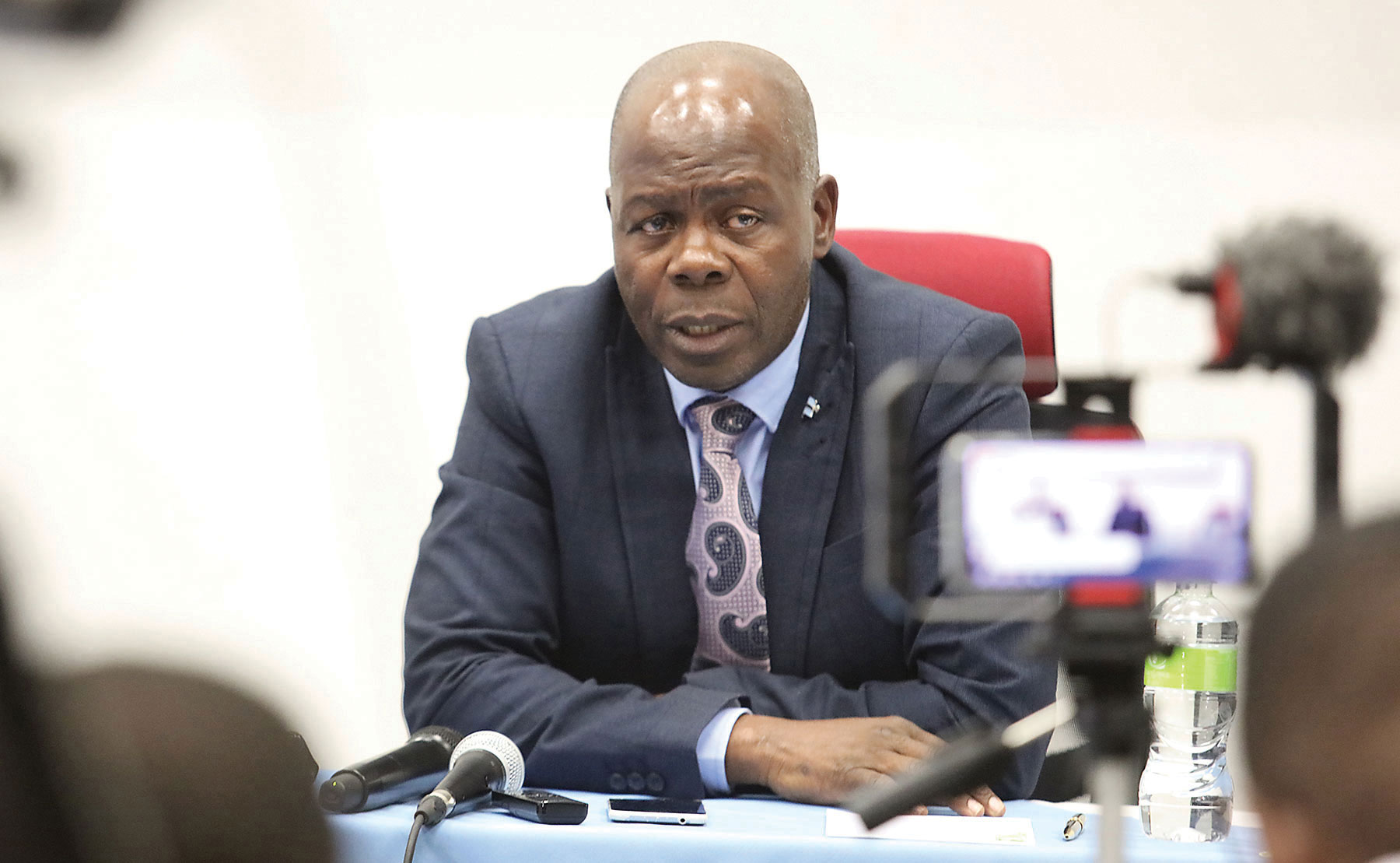
Botswana DIS: Military Intervenes in Peter Magosi Standoff Over Contract
Summary
- An explosive power struggle occurred at Botswana's Directorate of Intelligence and Security.
- Outgoing Director General Brigadier Peter Magosi allegedly refused to vacate his office after his contract ended.
- Elite Botswana Defence Force commandos were deployed to secure the transition.
- The military intervention aimed to facilitate the handover to an incoming Acting Director General.
What Happened
The involvement of elite military forces in a leadership transition at the Directorate of Intelligence and Security is an exceptional event, signaling potential deep-seated challenges to institutional authority and established administrative processes.
An intense leadership dispute recently culminated in an unprecedented military deployment at the Directorate of Intelligence and Security (DIS) in Botswana. The contentious situation arose when Brigadier Peter Magosi, the outgoing Director General, reportedly declined to leave his post despite the expiration of his employment contract. This alleged refusal to vacate office triggered a significant institutional crisis within the nation's primary intelligence body.
The standoff escalated to a point where elite units from the Botswana Defence Force (BDF) were mobilized. These specialized commandos were dispatched to the DIS premises with the explicit objective of ensuring a smooth transition of power. Their presence underscored the gravity of the situation, marking an extraordinary intervention by the military in what would typically be an administrative leadership change within a civilian intelligence agency. The BDF's involvement was specifically aimed at facilitating the handover to the incoming Acting Director General, whose appointment signals a new phase for the Botswana intelligence agency leadership.
Legal and Regulatory Context
The incident surrounding Brigadier Peter Magosi's departure from the Directorate of Intelligence and Security highlights critical questions regarding the protocols for high-level leadership transitions within Botswana's security apparatus. A Director General's tenure is typically governed by a specific contract, and its conclusion should, in principle, lead to a straightforward vacation of office. The alleged refusal by Magosi to adhere to this established contractual endpoint suggests a deviation from standard administrative and legal expectations for such a senior public servant.
This particular Brigadier Peter Magosi contract dispute brings into focus the mechanisms for ensuring compliance with employment terms at the highest echelons of government. While the specific legal framework governing the DIS Director General succession is not detailed, the deployment of the Botswana Defence Force DIS intervention implies that internal or civil administrative remedies were either exhausted or deemed insufficient to resolve the impasse. Such an extraordinary measure raises concerns about the clarity and enforceability of contractual obligations and succession plans within sensitive national security institutions.
Why It Matters
The recent Botswana DIS Peter Magosi standoff carries significant implications for governance stability and the rule of law within the nation's security sector. The involvement of elite military forces in a leadership transition at the Directorate of Intelligence and Security is an exceptional event, signaling potential deep-seated challenges to institutional authority and established administrative processes. This kind of public display of internal strife within a critical intelligence agency can erode public confidence and raise questions about the internal cohesion and operational integrity of the DIS.
Furthermore, the Brigadier Peter Magosi contract dispute and the subsequent Botswana Defence Force DIS intervention could set a concerning precedent for future leadership changes within key state institutions. It underscores the importance of clear, undisputed succession planning and adherence to contractual terms, particularly for roles as sensitive as the head of a national intelligence agency. The incident prompts scrutiny into the broader oversight and accountability mechanisms governing the Botswana intelligence agency leadership, emphasizing the need for robust frameworks to prevent such extraordinary standoffs in the future and ensure orderly DIS Director General succession.
Practical Implications
This incident signals potential governance instability within Botswana's Directorate of Intelligence and Security (DIS). Lawyers advising clients on national security matters, public law, or administrative dealings with the DIS should monitor the implications of this contentious leadership transition for institutional stability, policy direction, and the rule of law concerning state security agencies.
Source
How does this affect you?
Get an AI analysis of this article grounded in your jurisdictions, practice areas, and any policy documents you've uploaded to Wansom.
Finish Reading the Full Story and the Expert Analysis.
Get the latest legal & regulatory intelligence in Botswana
Wansom is AI and can make mistakes.