
Botswana Diamond Naming Campaign Faces US FTC Hurdle
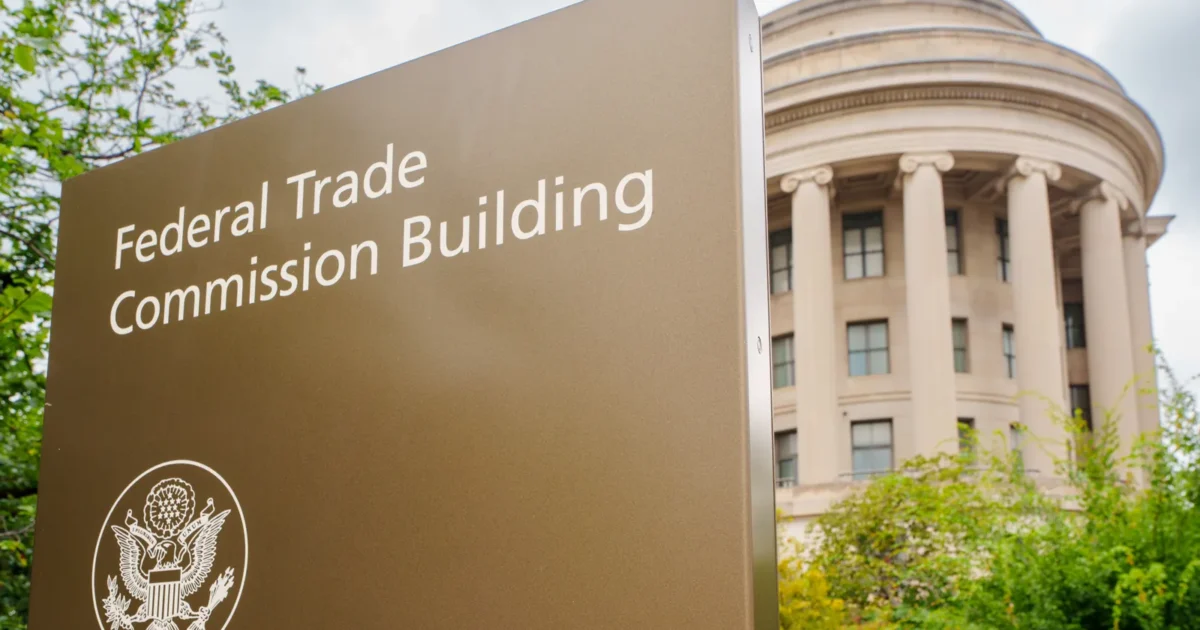
Botswana's ambitious campaign to reserve the term 'diamond' exclusively for natural stones, as part of its Paris Declaration, faces a significant regulatory hurdle from the Federal Trade Commission (FTC) in the United States, which currently favors broader terminology that includes lab-grown diamonds.
This development highlights a critical international trade and intellectual property dispute with substantial economic implications for Botswana, a major natural diamond producer. For legal practitioners, it underscores the complexities of international regulatory harmonization, consumer protection laws, and the definition of goods in global markets, particularly concerning luxury items and natural resources. The outcome of this dispute could set a precedent for how other natural resources are defined and marketed globally, impacting various industries.
The core of this issue lies in consumer protection regulations, specifically those enforced by the FTC in the United States, which govern how products are marketed and described to prevent deception. The FTC's existing guidelines, which permit the use of "diamond" for both natural and lab-grown stones with appropriate qualifiers, directly conflict with Botswana's objective to differentiate natural diamonds through exclusive terminology. This also touches upon international trade law and potentially intellectual property rights related to geographical indications or collective marks, though the excerpt focuses on the consumer protection aspect.
Key parties involved include Botswana, represented by President Duma Boko, who is advocating for the exclusive use of the term 'diamond' for natural stones. The Federal Trade Commission (FTC) in the United States is the regulatory body whose existing consumer protection guidelines are the primary obstacle. Lab-grown diamond producers in the US are also key stakeholders resisting Botswana's campaign, as their business models rely on the current terminology.
Attorneys advising clients in the diamond industry, particularly those involved in international trade or marketing, should closely monitor the ongoing discussions between Botswana and the FTC. Businesses dealing in natural diamonds should be aware of the potential for evolving terminology and marketing regulations, especially in key markets like the US, and consider how to best differentiate their products. Conversely, producers and retailers of lab-grown diamonds should track any challenges to the current FTC guidelines, as changes could significantly impact their market access and branding strategies. This situation also presents a compelling case study for legal professionals on the intersection of national economic interests, international trade, and consumer protection law.
How does this affect you?
Get an AI analysis of this article grounded in your jurisdictions, practice areas, and any policy documents you've uploaded to Wansom.
Finish Reading the Full Story and the Expert Analysis.
Get the latest legal & regulatory intelligence in Botswana
Wansom is AI and can make mistakes.