
BOST Kumasi Depot Challenges Resolved After Agreement
Summary
- Fuel tanker drivers in Ghana suspended a three-day strike after an agreement was reached with BOSTenergies.
- The agreement addresses concerns over the condition of the parking yard at the Kumasi depot and inaccurate measuring meters.
- BOSTenergies has committed to carrying out maintenance work on the depot's infrastructure under the terms of the agreement.
What Happened
Under the terms of the agreement, BOSTenergies has committed to carrying out maintenance work on the depot's infrastructure, including the parking yard and measuring meters.
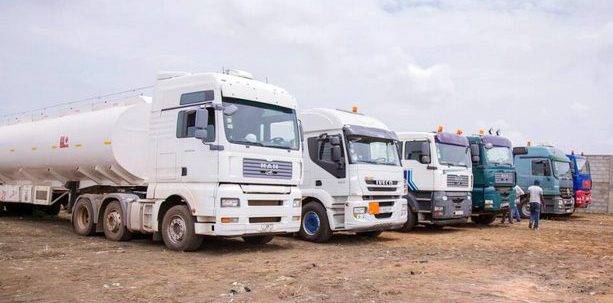
A three-day sit-down strike by fuel tanker drivers in Ghana has been suspended after an agreement was reached between the BOSTenergies (formerly Bulk Oil Storage and Transportation Company Limited) and the Ghana National Petroleum Tanker Drivers Union. The strike, which began on [date], was sparked by concerns over the condition of the parking yard at the BOST Kumasi depot, where fuel tanker drivers were forced to park their vehicles during offloading operations. According to union officials, the depot's measuring meters had also been inaccurate, leading to fuel shortages and disputes between drivers and depot management.
Legal Context
The agreement reached between BOSTenergies and the union is expected to address the persistent issues at the Kumasi depot, which have been a source of concern for fuel tanker drivers in Ghana. Under the terms of the agreement, BOSTenergies has committed to carrying out maintenance work on the depot's infrastructure, including the parking yard and measuring meters. This move is seen as crucial in preventing future disruptions to fuel transportation in the region, and lawyers advising clients on fuel transportation in Ghana are advised to monitor the depot's maintenance schedule closely.
Why It Matters
The suspension of the strike marks a significant development for the fuel tanker drivers in Ghana, who had been struggling with persistent fuel shortages and inaccurate measuring meters at the BOST Kumasi depot. The agreement reached between BOSTenergies and the union is expected to improve working conditions for drivers and ensure the smooth transportation of fuel in the region. Moreover, the move highlights the importance of regulatory compliance in the oil and gas sector, particularly in relation to the maintenance of infrastructure and equipment.
Practical Implications
Lawyers advising clients on fuel transportation in Ghana should monitor the BOST Kumasi depot's maintenance schedule to ensure compliance with regulations, as persistent issues may lead to future disruptions.
Source
How does this affect you?
Get an AI analysis of this article grounded in your jurisdictions, practice areas, and any policy documents you've uploaded to Wansom.
Wansom is AI and can make mistakes.