
Bombay HC: UAPA MCOCA Confession Evidence Denies Life Sentence Suspension
Summary
- The Bombay High Court refused to suspend the life sentence of UAPA convict Mohd Amer Shakil Ahmed Shaikh, who has been in custody for over 20 years.
- The court cited Shaikh's significantly grave role in an alleged SIMI-LeT terror conspiracy as the primary reason for denying the suspension.
- The ruling affirmed that confessional statements recorded under Section 18 of MCOCA are admissible in UAPA cases, even if the accused is acquitted of MCOCA charges.
- This decision was supported by the Supreme Court's precedent in *Prakash Kumar @ Prakash Bhutto v. State of Gujarat*.
- Shaikh was convicted for UAPA, Arms Act, and Explosive Substances Act offenses but acquitted of MCOCA charges, against which the state's appeal is pending.
Judicial Refusal to Suspend Sentence
The court explicitly stated that over 20 years of incarceration alone was insufficient grounds to warrant the suspension of his life sentence in this context.
The Bombay High Court, on October 21, declined to suspend the life sentence of Mohd Amer Shakil Ahmed Shaikh, a convict under the Unlawful Activities Prevention Act (UAPA), despite his having spent over two decades in custody. The court emphasized that Shaikh's alleged involvement in a broader conspiracy linked to the Students Islamic Movement of India (SIMI) and the banned Lashkar-e-Taiba (LeT) was considerably more severe than that of co-accused who had been granted bail, deeming his role "much graver and on a higher pedestal."
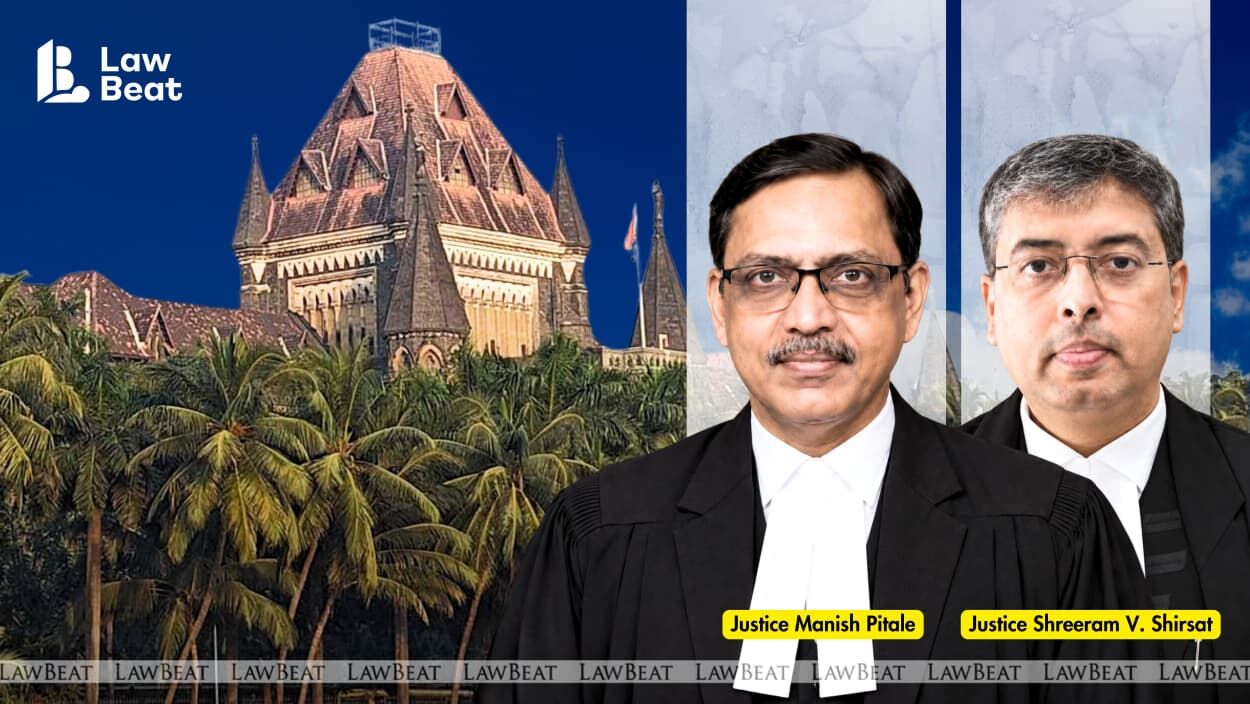
The division bench, comprising Justice Manish Pitale and Justice Shreeram V. Shirsat, rejected Shaikh's application for sentence suspension pending appeal. Their decision highlighted the substantial nature of the evidence against him, which included confessional statements, call detail records, and the alleged recovery of a significant cache of arms, ammunition, and explosives. The court explicitly stated that over 20 years of incarceration alone was insufficient grounds to warrant the suspension of his life sentence in this context.
Background of the Terror Conspiracy
The case originated from an Anti-Terrorist Squad (ATS) operation conducted in May 2006, following intelligence reports concerning the transportation of weapons and explosives. On May 9, 2006, ATS teams intercepted a white Tata Sumo vehicle near the Guruneshwar temple in Aurangabad. While the occupants reportedly attempted to escape, Shaikh was apprehended at the scene.
Prosecutors alleged that a search of the vehicle yielded 10 AK rifles, 40 magazines, 200 live cartridges, 30 kilograms of explosive powder, and 10 magazine pockets. Another vehicle was suspected of transporting a similar consignment. In July 2016, a Special Court convicted Shaikh under various provisions, including Sections 18, 20, and 23 of the UAPA, Section 25(1AA) of the Arms Act, and Section 5(b) of the Explosive Substances Act, imposing a life sentence. However, he was acquitted of charges under Sections 3(2), 3(1)(ii), and 3(4) of the Maharashtra Control of Organised Crime Act (MCOCA), among others, with the state's appeal against this MCOCA acquittal still pending. The trial court had characterized Shaikh as a "front runner" in the alleged conspiracy, noting his purported association with SIMI, advocacy of Jihad, and involvement in acquiring and moving sophisticated weapons, with alleged support from a Pakistani national named Juned, linked to LeT.
Admissibility of Confessional Statements
A pivotal aspect of the Bombay High Court's ruling concerned the admissibility of confessional statements. Shaikh's defence contended that confessional statements recorded under Section 18 of MCOCA should lose their evidentiary value following his acquittal under that specific statute. Furthermore, the defence questioned the voluntariness of these confessions, arguing they were obtained after prolonged periods of custody.
However, the High Court rejected this argument, asserting that confessional statements recorded under MCOCA can indeed be considered in a UAPA case, even if the accused is acquitted of the MCOCA charges. This stance on Bombay HC UAPA MCOCA confession admissibility was reinforced by the Supreme Court's precedent set in *Prakash Kumar @ Prakash Bhutto v. State of Gujarat*, which held that confessions recorded under similar provisions, such as TADA, could remain admissible in related proceedings. This clarifies that Section 18 MCOCA UAPA evidence remains pertinent despite an MCOCA acquittal.
Broader Implications for Terror Cases
This judgment carries significant implications for the prosecution and defence in terror-related cases, particularly concerning evidentiary standards. It underscores that an acquittal under one specific law, like MCOCA, does not automatically render all evidence collected under its provisions, such as confessional statements, irrelevant for charges under other stringent laws like the Unlawful Activities Prevention Act India. The ruling reinforces the principle that the gravity of an accused's role in a conspiracy, especially one involving organizations like SIMI and LeT, is a paramount consideration for courts when evaluating requests for sentence suspension. It also highlights that prolonged incarceration, while a factor, may not override the severity of the alleged offense and the accused's perceived central involvement.
Practical Implications
This ruling clarifies that confessional statements recorded under MCOCA can be considered in UAPA cases, even if the accused is acquitted under MCOCA, significantly impacting evidentiary strategy for defence lawyers. It also reinforces that prolonged incarceration alone may not warrant suspension of sentence in grave terror-related offences where the accused's role is deemed substantial.
Source
How does this affect you?
Get an AI analysis of this article grounded in your jurisdictions, practice areas, and any policy documents you've uploaded to Wansom.
Finish Reading the Full Story and the Expert Analysis.
Wansom is AI and can make mistakes.