
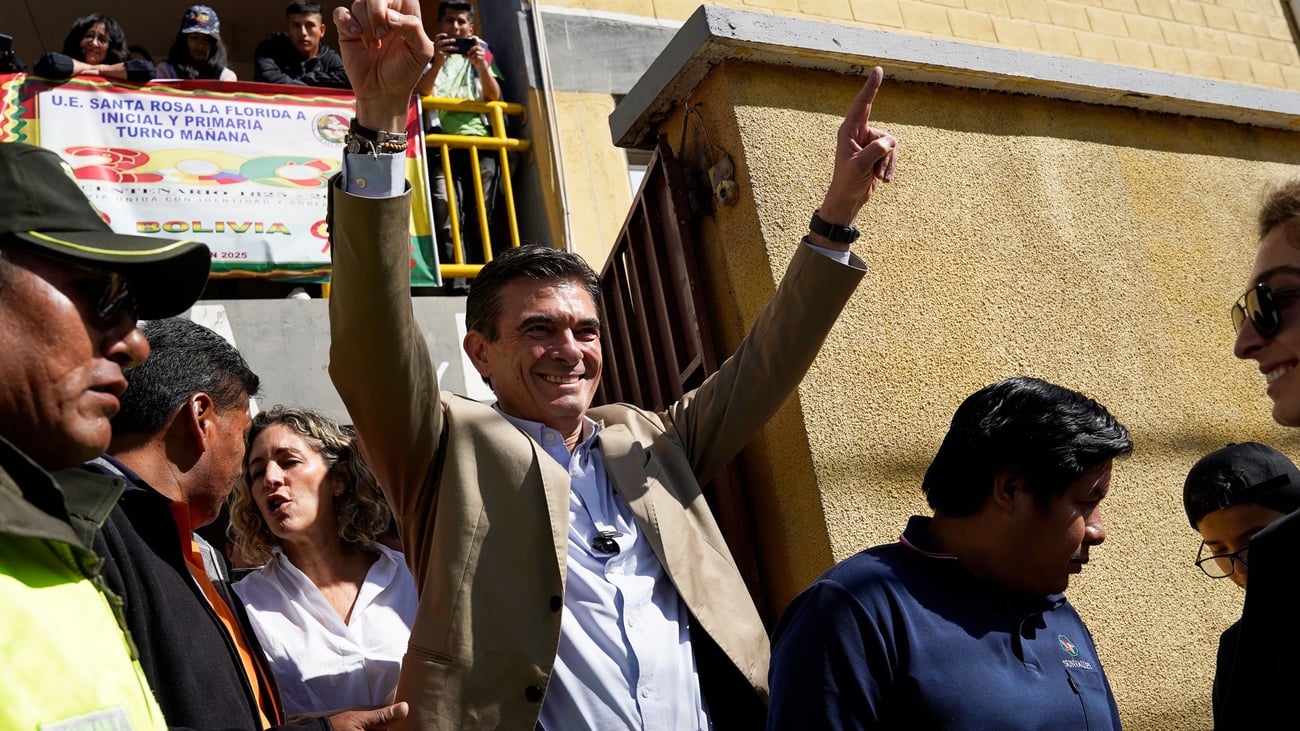
Bolivia Congress: Extends State of Emergency 90 Days Amid Unrest
Summary
- Bolivia's Congress voted to extend a state of emergency for 90 days.
- The extension was declared by President Rodrigo Paz due to threats of renewed anti-government unrest.
- Emergency powers allow military deployment, roadblock clearing, and restrictions on civil liberties, including the right to demonstrate.
- The country is experiencing its worst economic crisis in 40 years, marked by fuel and U.S. dollar shortages.
- Recent protests erupted over the government's doubling of diesel prices and its plan to eliminate all fuel subsidies by January under an IMF agreement.
Congressional Action and Emergency Declaration
The decision by Bolivia's Congress to extend the state of emergency for 90 days underscores the ongoing fragility of the nation's political and social environment.
Bolivia's Congress recently voted to extend a nationwide state of emergency for an additional 90 days, a measure initially implemented by President Rodrigo Paz. The legislative body's decision, reached in a public session on Thursday, was prompted by official warnings regarding the persistent threat of renewed anti-government unrest across the Andean nation. Vice President Edmand Lara confirmed the approval, noting that the extension passed with an absolute majority. This move prolongs a period of heightened governmental authority first established in June, following widespread protests that had significantly disrupted the country.
Scope of Emergency Powers and Justification
Under the existing state of emergency, authorities have been granted significant latitude to manage public order and maintain essential services. These powers have included the deployment of military forces to various regions, the clearing of roadblocks erected by protestors, and crucially, the imposition of restrictions on certain civil liberties. Among the curtailed rights is the fundamental right to demonstrate, a measure directly impacting public expression and assembly during a period of widespread dissatisfaction.
Interior Minister Marco Antonio Oviedo articulated the administration's rationale for the 90-day extension, emphasizing a "complicated political and social outlook" that necessitates continued vigilance. Oviedo stated that the primary objective of the measure is to "sustain development, movement and the normalization of the economy and to guarantee free circulation." His office further detailed specific concerns, citing "threats of renewed and coordinated blockades, marches and strikes, and early warnings with calls, mass meetings, ultimatums and the deployment of social contingents" anticipated in the coming days. This indicates a proactive stance by the government to preempt further disruption.
Economic Roots of Instability
The current political and social turmoil in Bolivia is deeply intertwined with a severe economic crisis, the worst the country has faced in 40 years. President Rodrigo Paz assumed office last year against this backdrop of acute shortages of both fuel and U.S. dollars. One of his initial policy decisions was to dismantle fuel subsidies, a system previously maintained by the outgoing socialist government, which had significantly depleted Bolivia's currency reserves. Despite these efforts, long queues for fuel, stretching for several kilometers, remain a common sight at gas stations in various parts of the country.
Recent weeks have seen a resurgence of public anger directly linked to these economic pressures. Hundreds of coca farmers, alongside supporters of former President Evo Morales, staged protests in Cochabamba this month, specifically condemning the government's decision to double diesel prices. This particular grievance highlights the direct impact of economic policies on various sectors of the population. The government's commitment to fully eliminating all fuel subsidies starting in January, a condition tied to a $1.9 billion bailout agreement with the International Monetary Fund, suggests that economic reforms, and potentially associated public reactions, will continue to shape Bolivia's landscape in the coming months.
Implications for Stability and Rights
The decision by Bolivia's Congress to extend the state of emergency for 90 days underscores the ongoing fragility of the nation's political and social environment. The continued application of emergency powers, including the deployment of the military and restrictions on civil liberties such as the right to demonstrate, signals a sustained period of governmental control over public life. This Bolivia emergency powers extension is a direct response to the perceived threat of renewed anti-government unrest, which officials believe could manifest through coordinated blockades and strikes.
The underlying economic challenges, particularly the acute shortages and the controversial removal of fuel subsidies, continue to fuel public discontent. As President Rodrigo Paz navigates these turbulent waters, the balance between maintaining order and respecting fundamental rights will remain a critical concern. The extended state of emergency, therefore, not only grants the government tools to manage immediate threats but also places a spotlight on the broader implications for human rights compliance and the operational continuity of businesses and investments within Bolivia, given the potential for ongoing instability and restrictions.
Practical Implications
Lawyers advising clients with operations or investments in Bolivia should assess the impact of extended emergency powers on contractual obligations, operational continuity, and human rights compliance, particularly concerning restrictions on civil liberties and potential for unrest. Compliance officers need to monitor the evolving political and social landscape for risks to business operations and personnel.
Source
How does this affect you?
Get an AI analysis of this article grounded in your jurisdictions, practice areas, and any policy documents you've uploaded to Wansom.
Finish Reading the Full Story and the Expert Analysis.
Get the latest legal & regulatory intelligence in United States
Wansom is AI and can make mistakes.