
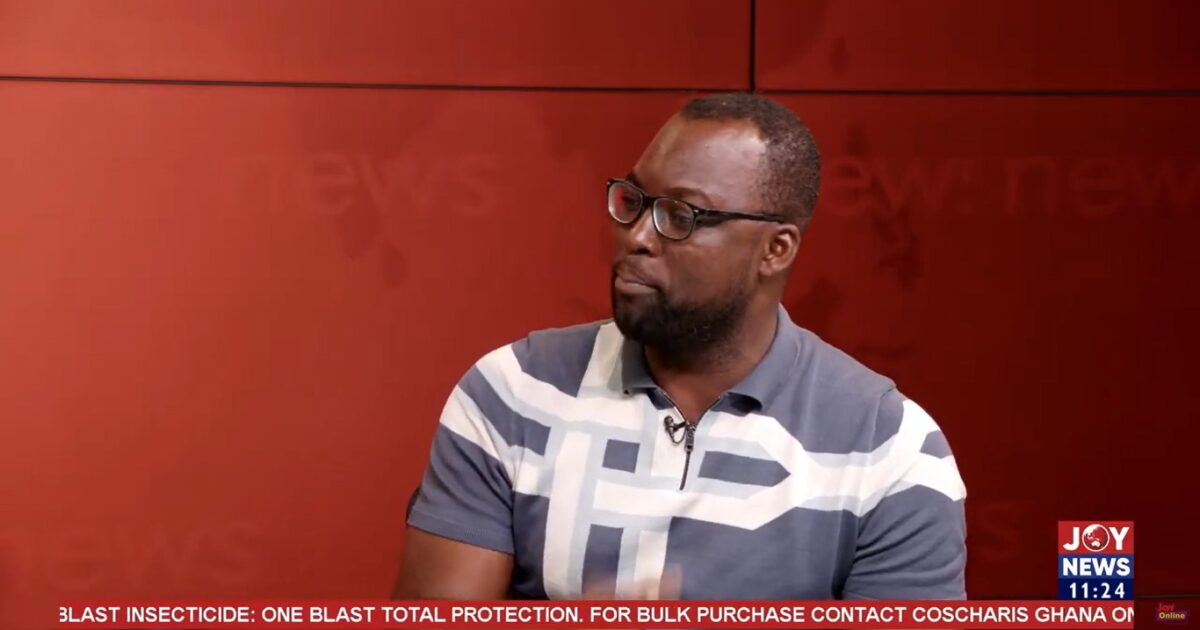
Bobby Banson: Ghana Free Speech Misused for Defamation
Summary
- Lawyer Bobby Banson criticized the use of social media for damaging reputations, noting a perceived lack of criminal punishment for false claims.
- The national debate on harmful online content intensified following the detention of nurse Salomey Awiti Bafoh, accused of circulating false information, whose bail was denied.
- President John Dramani Mahama urged restraint in handling speech-related cases, advocating against criminalizing legitimate criticism and seeking alternatives to arrest for non-violent online content.
- President Mahama also called for a national discussion on regulating new media platforms like TikTok, expressing concern over potentially excessive police actions.
- These developments highlight a critical tension in Ghana between protecting free speech and preventing online reputation damage, particularly for public figures, in the absence of clear criminal sanctions for certain online falsehoods.
Heightened Scrutiny on Online Speech in Ghana
The confluence of these events underscores the urgent need for a clearer understanding and potential evolution of legal standards governing social media free speech Ghana, ensuring that both individual rights and public integrity are adequately protected.
Lawyer Bobby Banson has voiced strong criticism regarding the increasing misuse of social media platforms in Ghana. He specifically highlighted instances where individuals exploit the principle of freedom of speech to deliberately attack and undermine the reputations of others, particularly public figures. Banson, speaking on JoyNewsfile on Saturday, September 25, observed a concerning trend between 2000 and 2026 where people have become more deliberate in disseminating false information that harms the social fabric. He noted that perpetrators often act with the knowledge that there are no criminal repercussions for such actions, asserting that freedom of speech does not extend to denigrating public office holders. He also revealed that he has personally been a target of these types of online assaults.
This commentary from Bobby Banson comes amidst a growing national discussion in Ghana concerning the appropriate response from authorities to harmful online content. The debate has gained significant traction following the recent detention of nurse Salomey Awiti Bafoh. Ms. Bafoh stands accused of collaborating with a UK-based TikToker to publish and circulate information deemed false.
The legal proceedings against Ms. Bafoh are currently before the courts. An Accra High Court, on Friday, September 25, denied her application for bail, underscoring the seriousness with which these allegations are being treated. This case exemplifies the complex challenges Ghana faces in balancing individual liberties with the need to prevent Ghana online reputation damage.
Presidential Calls for Restraint in Speech Cases
In a significant intervention, President John Dramani Mahama has urged caution and restraint in the handling of speech-related cases across Ghana. In a letter addressed to the Media Foundation for West Africa and the Ghana Journalists Association, the President issued a clear warning against the criminalization of legitimate forms of expression, including criticism, political commentary, satire, and dissent. He emphasized that these forms of communication are vital components of a democratic society and should not lead to legal prosecution.
President Mahama further called upon stakeholders to explore alternatives to arrest and prosecution, especially in situations where online content does not involve direct threats, incitement to violence, or other forms of clearly criminal conduct. Speaking to Ghanaians in New York on a Friday, the President expressed his concern that police actions in such matters could sometimes be excessive. He reiterated his appeal for a comprehensive national discussion on the role and regulation of new media platforms, such as TikTok, to better navigate the complexities of social media free speech Ghana.
Navigating the Evolving Landscape of Defamation and Free Speech
The ongoing public discourse, fueled by both Bobby Banson's observations and President Mahama's directives, highlights a critical tension within Ghana's legal framework regarding online expression. Banson's assertion that some individuals intentionally spread falsehoods, knowing there is no criminal punishment, points to a perceived gap in Ghana criminal defamation law as it applies to certain online behaviors. This situation creates a challenging environment for public figures who face Ghana online reputation damage without clear avenues for criminal redress for malicious falsehoods.
The detention of Salomey Awiti Bafoh and the denial of her bail further illustrate the complexities authorities face in addressing allegations of false information dissemination. While President Mahama advocates for a nuanced approach to speech cases, distinguishing between legitimate criticism and genuinely criminal conduct, the practical application of these principles remains a subject of intense debate. The confluence of these events underscores the urgent need for a clearer understanding and potential evolution of legal standards governing social media free speech Ghana, ensuring that both individual rights and public integrity are adequately protected.
Practical Implications
Lawyers in Ghana should be aware of the evolving legal landscape concerning online speech and defamation, particularly the tension between free speech and reputational harm without clear criminal sanctions, as highlighted by Bobby Banson. This impacts advising clients on online content, potential defamation claims, and understanding the implications of President Mahama's call for restraint in prosecuting speech-related cases.
Source
How does this affect you?
Get an AI analysis of this article grounded in your jurisdictions, practice areas, and any policy documents you've uploaded to Wansom.
Finish Reading the Full Story and the Expert Analysis.
Get the latest legal & regulatory intelligence in Ghana
Wansom is AI and can make mistakes.