
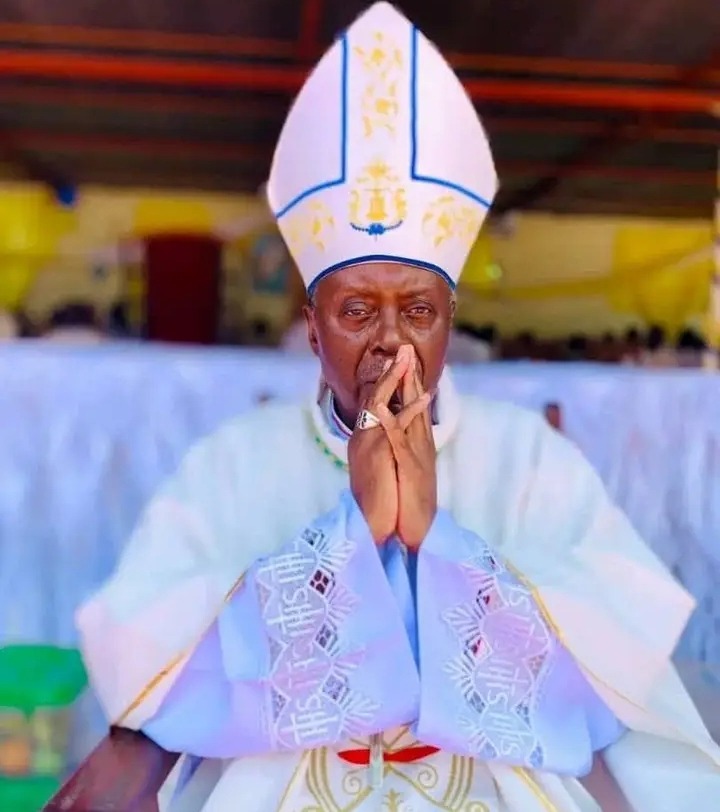
Bishop Lungu: Seeks President Hichilema Justice Meeting On Zambia Rights
Summary
- Bishop George Lungu of the Catholic Diocese of Chipata has requested a private meeting with President Hakainde Hichilema.
- The purpose of this proposed meeting is to discuss growing concerns in Zambia.
- These concerns specifically relate to justice, constitutional rights, and the political situation.
- Bishop Lungu described these issues as escalating.
What Happened
The Catholic Bishop Lungu seeks this high-level engagement to specifically delve into issues surrounding justice, the state of constitutional rights, and the prevailing political situation within Zambia.
Bishop George Lungu, who leads the Catholic Diocese of Chipata, has initiated a request for a direct, private discussion with Zambian President Hakainde Hichilema. This proposed meeting aims to address what Bishop Lungu has characterized as escalating concerns regarding several critical aspects of the nation's governance and societal well-being. The Catholic Bishop Lungu seeks this high-level engagement to specifically delve into issues surrounding justice, the state of constitutional rights, and the prevailing political situation within Zambia.
The call for this meeting underscores a desire from a prominent religious figure to engage directly with the head of state on matters of national importance. Bishop Lungu's initiative highlights the perceived urgency of these issues, which he believes warrant personal attention from President Hichilema. The emphasis on a "private" meeting suggests a preference for candid and confidential dialogue away from public scrutiny, potentially allowing for a more open exchange on sensitive topics affecting the country. This direct approach by Bishop Lungu to President Hichilema signals a significant move to bring these concerns to the highest office in Zambia.
Legal Context
The issues identified by Bishop Lungu—justice and constitutional rights—are foundational pillars of any democratic state and carry significant legal weight in Zambia. Concerns over justice typically encompass the fairness and impartiality of the legal system, access to legal recourse, and the equitable application of laws for all citizens. Any perceived erosion or inadequacy in these areas can undermine public trust in state institutions and the rule of law. The constitutional rights of Zambian citizens, enshrined in the nation's supreme law, guarantee fundamental freedoms and protections, including freedom of expression, assembly, and due process. When these rights are seen as being under pressure or not fully upheld, it raises serious questions about the government's adherence to its constitutional mandate.
For legal professionals and compliance officers, any high-level discussions between figures like Bishop Lungu and President Hichilema regarding Zambia constitutional rights concerns are noteworthy. Such dialogue could potentially signal forthcoming policy reviews, legislative amendments, or shifts in enforcement priorities aimed at strengthening these legal frameworks. The involvement of a respected religious leader in advocating for these principles lends moral authority to the call for greater governmental accountability and adherence to established legal norms. The very act of raising these issues at the presidential level indicates their perceived gravity within the national discourse.
Why It Matters
The proposed meeting between Chipata Diocese Bishop Lungu and President Hichilema holds considerable significance for the political situation in Zambia. When a senior religious leader expresses "growing concerns" about the political climate, it often reflects broader societal anxieties and can influence public perception of the government's performance. Such an engagement provides an opportunity for President Hichilema to directly hear feedback from a key societal voice, potentially informing future policy decisions and governance strategies. The discussion of the political situation in Zambia, alongside justice and constitutional rights, suggests a comprehensive view of national challenges that extends beyond purely legal or administrative matters.
This high-profile request for dialogue could also serve as a catalyst for broader national conversations about governance, human rights, and the direction of the country. The fact that Bishop Lungu has publicly called for this meeting, even if the meeting itself is intended to be private, highlights the importance he places on these issues. It signals to both the government and the public that these are not minor grievances but fundamental challenges requiring urgent attention. The outcome of such a meeting, or even the fact that it is being sought, could have implications for the relationship between the state and civil society, particularly religious institutions, in advocating for good governance and the protection of fundamental freedoms.
Practical Implications
This article signals potential high-level discussions that could influence future policy or legal reforms concerning justice and constitutional rights in Zambia. Lawyers and compliance officers should monitor subsequent government actions or statements from the presidency that may arise from these discussions, as they could impact legal interpretations or enforcement priorities.
Source
How does this affect you?
Get an AI analysis of this article grounded in your jurisdictions, practice areas, and any policy documents you've uploaded to Wansom.
Finish Reading the Full Story and the Expert Analysis.
Get the latest legal & regulatory intelligence in Zambia
Wansom is AI and can make mistakes.