
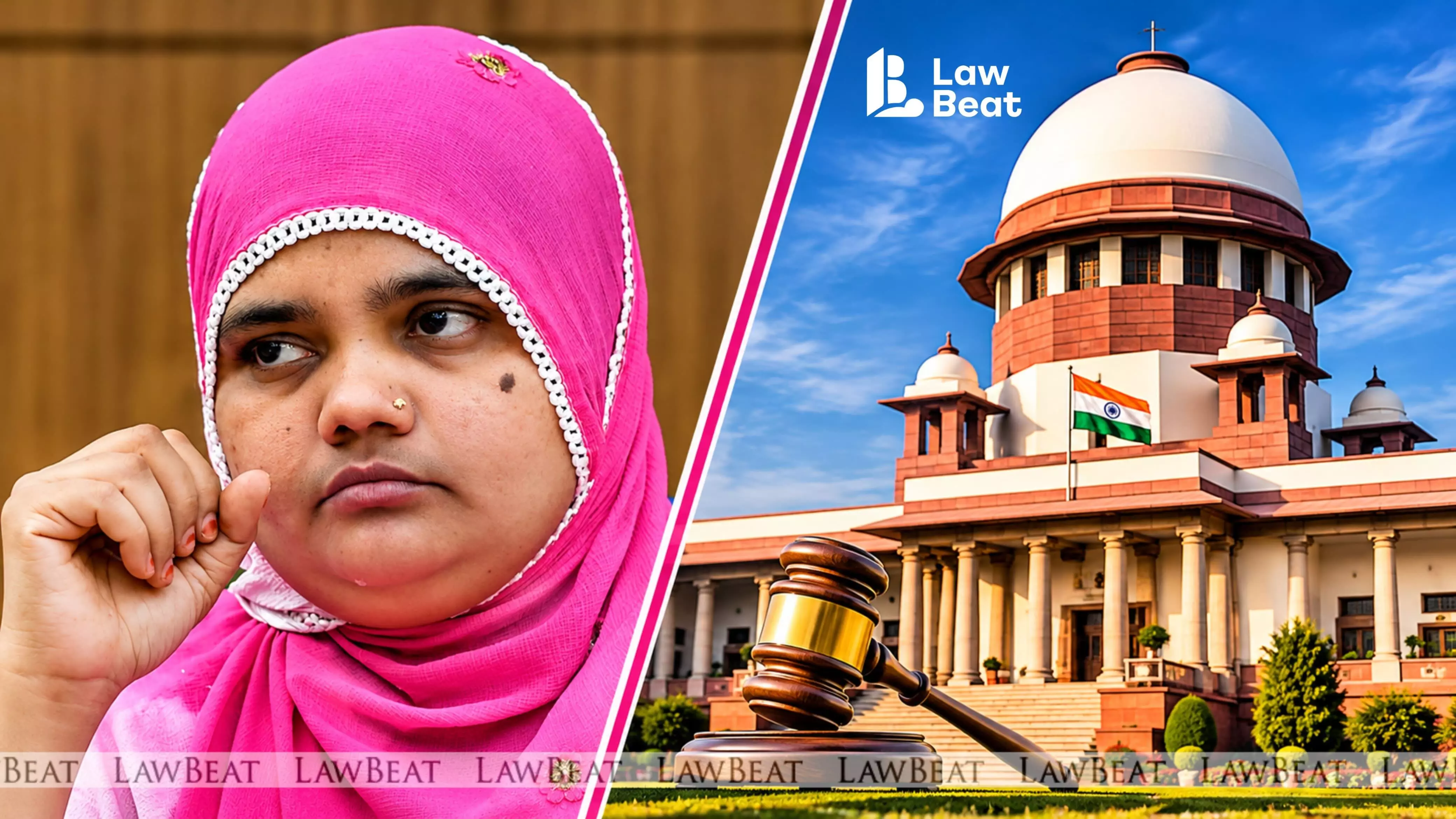
Bilkis Bano Convicts' Counsel: Denies Bail Suppression Claims
Summary
- Counsel for two Bilkis Bano case convicts denied allegations of suppressing facts to obtain Supreme Court bail on November 21, 2026.
- The defense stated the bail matter was listed ten times over more than a year, and no caveat was filed by the prosecutrix.
- The statement, issued by Advocate Ayush Anand, also detailed the convicts' alleged minor roles and one petitioner's severe medical condition, including cardiac surgery after approximately 18 years of incarceration.
- The counsel acknowledged the unusual nature of a press statement in a sub-judice matter but cited concerns over a "media trial" influencing the pending criminal appeals.
- The two convicts, Bipinchand Kanaiyalal Joshi and Pradip Ramanlal Modhiya, were convicted by a trial court and their life sentences confirmed by the Bombay High Court in 2017.
Defense Denies Suppression in Bail Grant
The counsel acknowledged the unusual nature of issuing a press statement in a matter still awaiting judicial resolution, explaining it as a necessary response to counter a narrative that risked transforming the ongoing criminal appeals before the Supreme Court into a subject of media scrutiny.
On November 21, 2026, legal representation for two individuals convicted in the Bilkis Bano case, Bipinchand Kanaiyalal Joshi alias Lala Doctor and Pradip Ramanlal Modhiya, issued a public statement. This statement directly refuted claims that their Supreme Court bail had been secured without the knowledge of the prosecutrix or through any form of factual suppression. Advocate-on-Record Ayush Anand, representing the appellants in Criminal Appeal Nos. 5118–5119 of 2026, released the communication.
The statement specifically addressed "certain statements issued on behalf of the prosecutrix," including remarks attributed to a Senior Advocate. These prior statements were characterized by the petitioners as factually inaccurate, tending to sensationalize the ongoing court proceedings, and questioning the integrity of the legal process itself. The defense counsel’s public response aimed to clarify the procedural history and circumstances surrounding the bail grant for the Bilkis Bano convicts.
Procedural Transparency in Bail Proceedings
The counsel emphasized that the bail matter was not handled in secrecy, having been listed before the Supreme Court on ten separate occasions over a period exceeding one year before the bail was ultimately granted. This extensive listing history, according to the statement, directly contradicts any assertion of suppression by the legal team. It was also noted that no caveat had been filed by the prosecutrix, nor was she a party to the proceedings before the High Court.
A detailed chronology of the Supreme Court proceedings was provided. The Special Leave Petition (Diary No. 45823/2025) was initially filed on August 15, 2025. It subsequently appeared on the court's roster on September 16, October 15, November 10, and December 1, 2025, during which all pertinent facts and documents were presented to the court. A notice was issued by a Bench on March 17, 2026. During this phase, the court also took note of Petitioner No. 1's physical disability and the fact that both petitioners had already spent approximately 17 years in custody. Following the issuance of notice, the case was listed before a different Bench on May 5, May 12, August 11, and September 22, 2026. The trial court had previously convicted both men, and the Bombay High Court upheld their conviction and life sentence on May 4, 2017.
Arguments Regarding the Convicts' Role and Health
The statement also presented the petitioners' arguments concerning their alleged involvement in the 2002 incidents. It asserted that there were various accused parties in the case, and the petitioners were not considered "main accused." Instead, they were described as having been part of a larger mob, without being initially named for any specific overt acts. Furthermore, the petitioners contended that the prosecutrix, in her statements dated March 7, 2002, and March 13, 2002, as well as in her statement to the doctor during her medical examination, had not identified them in relation to the rape allegations.
A significant factor in the bail application was the medical condition of one of the petitioners. On October 12, 2026, a Criminal Miscellaneous Petition was filed seeking bail on medical grounds. The statement highlighted that this petitioner had suffered major cardiac blockages and undergone cardiac surgery while incarcerated, after approximately 18 years in custody. Specifically, he experienced four cardiac blockages, estimated at 80-90%. A coronary angiography was performed on August 31, 2026, and following the detection of substantial blockages on September 8, 2026, he underwent coronary artery bypass grafting.
Ethical Dilemmas in Public Statements
The counsel acknowledged the unusual nature of issuing a press statement in a matter still awaiting judicial resolution, explaining it as a necessary response to counter a narrative that risked transforming the ongoing criminal appeals before the Supreme Court into a subject of media scrutiny. The statement itself began by conceding that, ideally, an advocate should refrain from making public comments on sub-judice matters.
However, the justification provided was that "similar press statements by various groups" had contributed to a public narrative that threatened to turn the pending criminal appeals into a "media trial." This concern underscored the delicate balance lawyers must strike between advocating for their clients and upholding the sanctity of the legal process, especially when faced with public allegations of procedural impropriety like the Bilkis Bano convicts bail suppression denial. The decision to issue the statement was thus framed as a defensive measure to ensure the integrity of the judicial process against external pressures.
Practical Implications
This article highlights the strategic and ethical considerations for lawyers issuing public statements in high-profile, sub-judice matters, particularly when countering allegations of procedural impropriety like suppression of facts. Lawyers should carefully weigh the impact of such statements on ongoing proceedings and public perception, balancing client advocacy with the need to uphold the sanctity of the legal process against media trials.
Source
How does this affect you?
Get an AI analysis of this article grounded in your jurisdictions, practice areas, and any policy documents you've uploaded to Wansom.
Finish Reading the Full Story and the Expert Analysis.
Get the latest legal & regulatory intelligence in India
Wansom is AI and can make mistakes.