
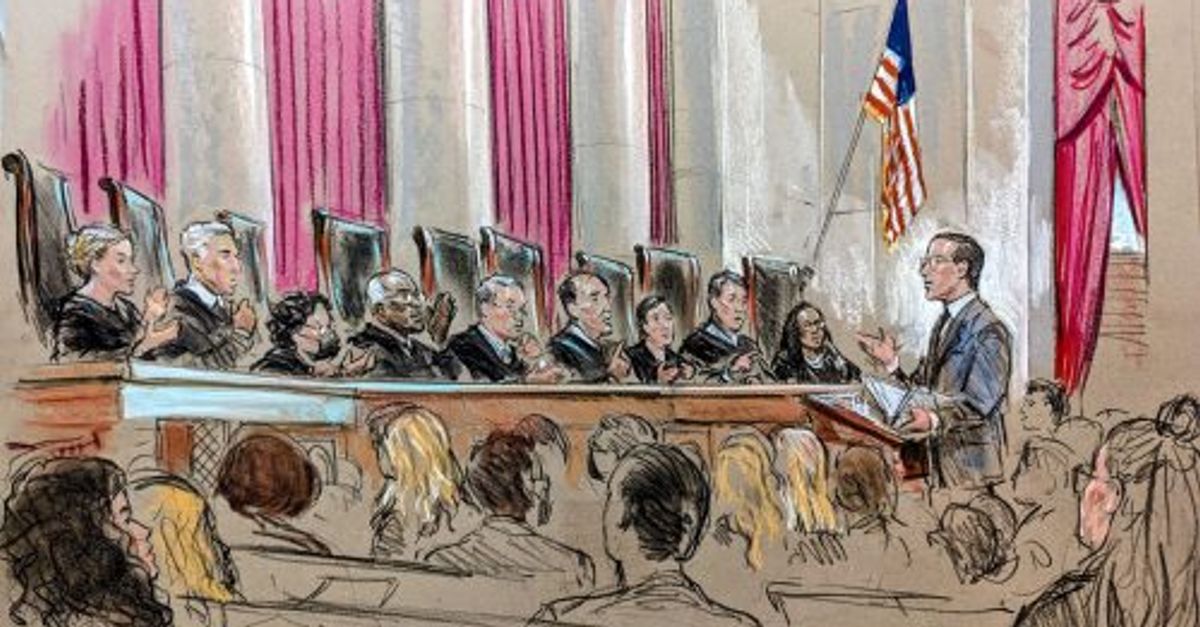
Beyond the swing justice: majority makers, dissent bridges, and coalition drift on the Supreme Court
Justice Amy Coney Barrett recently resisted a label that has followed several members of the current Supreme Court. Asked whether her occasional breaks with the court’s conservative majority meant she was a swing vote, Barrett said the term made her sound “sort of flighty.” She preferred “independent, or just following the law.”The older idea of a swing justice referred to a durable position near the court’s ideological center. Justices Lewis Powell, Sandra Day O’Connor, and Anthony Kennedy often supplied the vote that allowed one side to form a majority. Scholar Neal Devins has argued that the post-Kennedy court lacks a comparable figure because its six-member conservative majority is more cohesive and more closely tied to partisan appointment politics than earlier courts.The 2025-26 term offers some support for that account. Chief Justice John Roberts and Justice Brett Kavanaugh each voted with the majority in 95% of cases, followed by Barrett at 92%. About one-fifth of the term’s decisions divided 6-3 along conventional ideological lines. And Justices Sonia Sotomayor, Elena Kagan, and Ketanji Brown Jackson dissented together in nearly one-quarter of the court’s cases.But the current court also has several centers of cross-ideological influence. Roberts most often builds narrow majorities with the support of the court’s liberal bloc. Kavanaugh frequently supplies the accompanying vote. Justice Neil Gorsuch is the most consistent bridge in dissent with the liberals. Jackson
How does this affect your business?
Get an AI analysis of this article grounded in your jurisdictions, practice areas, and any policy documents you've uploaded to Wansom.
Wansom is AI and can make mistakes.