
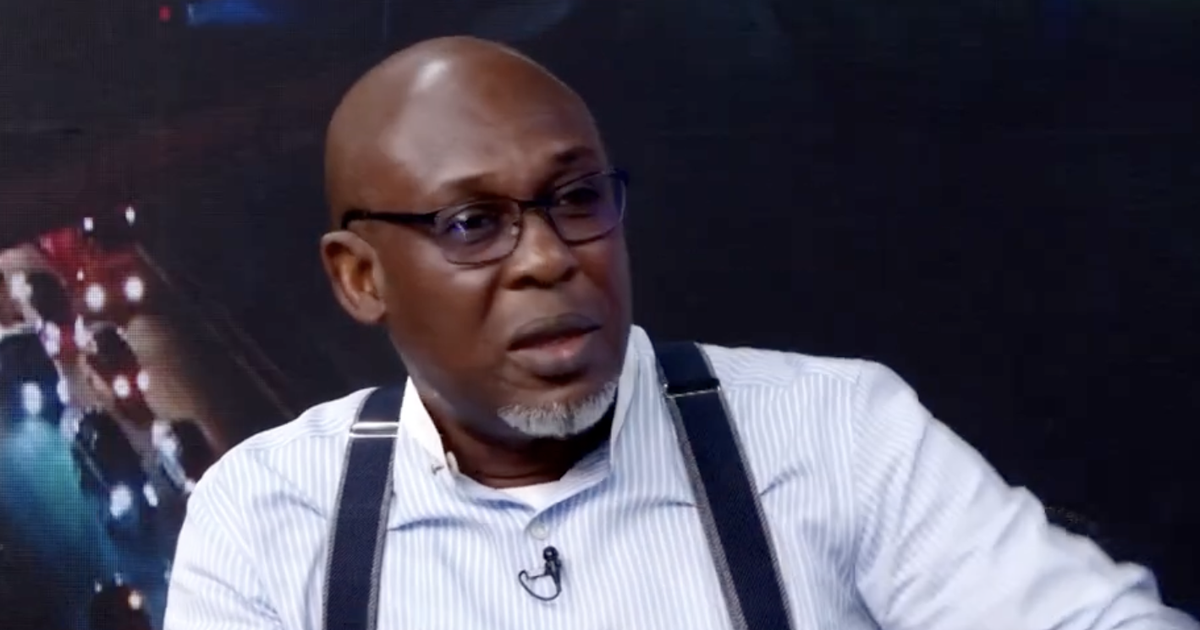
Bentil: Ghana Chief Justice Selection Criteria Involve Politics
Summary
- Kofi Bentil, Vice President of Imani Africa, stated that loyalty can outweigh competence in the selection of Ghana's Chief Justice.
- The discussion arises as Chief Justice Paul Baffoe-Bonnie is set to retire in December 2026, creating a vacancy.
- Bentil noted that political considerations and the President's comfort with a candidate are significant factors, even among highly qualified individuals.
- He suggested a President might strategically appoint a Chief Justice with a short tenure to enable further appointments during their term.
- Bentil emphasized that the appointment should ultimately strengthen public confidence in the judiciary.
Scrutiny on Ghana Chief Justice Selection Criteria
Such a dynamic underscores the potential for political influence in shaping the leadership of the judiciary, raising questions about the perceived independence of the institution.
Kofi Bentil, a prominent lawyer and Vice President of Imani Africa, recently offered insights into the process of selecting Ghana's Chief Justice, suggesting that factors beyond mere professional competence can play a significant role. His observations come as the nation anticipates a crucial transition within its judiciary, with current Chief Justice Paul Baffoe-Bonnie slated for retirement in December 2026. The Judicial Service has officially confirmed this upcoming vacancy, setting the stage for the appointment of a successor.
Speaking on Joy News’ PM Express, Mr. Bentil addressed questions regarding the prioritization of competence, particularly in light of existing challenges facing the judiciary. He posited that while professional capability is undoubtedly essential for any candidate, political considerations often emerge as the ultimate determinant when multiple highly qualified individuals are under consideration for the top judicial post. This perspective highlights the complex interplay between merit and political expediency in high-level judicial appointments in Ghana.
Political Dynamics in Judicial Appointments
Mr. Bentil elaborated on his assertion, drawing a parallel to corporate environments where, at senior levels, a leader might choose an individual possessing sufficient competence combined with strong loyalty. He emphasized that the "real politic" at play means that the selection process for Ghana's Chief Justice extends beyond a simple evaluation of professional skills. Despite this, he was clear that all potential candidates for the role are exceptionally capable, stating there could be no mistake in terms of their fitness for the position.
The lawyer further explained that the President's personal comfort with a particular candidate could prove decisive in the final choice. This suggests that the subjective assessment of a candidate's alignment with the executive's vision or preferences might be a key factor in the Ghana Chief Justice succession. Such a dynamic underscores the potential for political influence in shaping the leadership of the judiciary, raising questions about the perceived independence of the institution.
Impact on Judiciary Independence and Public Trust
Beyond immediate political comfort, Mr. Bentil also highlighted a strategic advantage a President might consider: appointing a Chief Justice with a relatively short period remaining before their own retirement. This approach, he argued, could enable the sitting President to make multiple judicial appointments during their tenure, potentially influencing the long-term direction of the judiciary. He presented this as a possible option available to the executive, rather than a definitive prediction of future actions.
Ultimately, Mr. Bentil stressed that the ideal outcome for any Chief Justice appointment should be one that actively strengthens public confidence in the judiciary. He expressed a desire for a candidate whose suitability would garner broad consensus among lawyers, judges, and the general public, acknowledging the inherent difficulty in achieving such widespread agreement. Despite the intricate political landscape surrounding judicial appointments in Ghana, he conveyed confidence in the caliber of available candidates, believing the President would ultimately make a sound choice from a pool of very capable individuals, thereby impacting the future of judiciary independence in Ghana.
Practical Implications
Lawyers and compliance officers should note the discussion around political considerations in the selection of Ghana's Chief Justice, as these dynamics can influence the perceived independence and future strategic direction of the judiciary, which may impact legal interpretations, enforcement priorities, and public confidence in the justice system.
Source
How does this affect you?
Get an AI analysis of this article grounded in your jurisdictions, practice areas, and any policy documents you've uploaded to Wansom.
Finish Reading the Full Story and the Expert Analysis.
Get the latest legal & regulatory intelligence in Ghana
Wansom is AI and can make mistakes.