
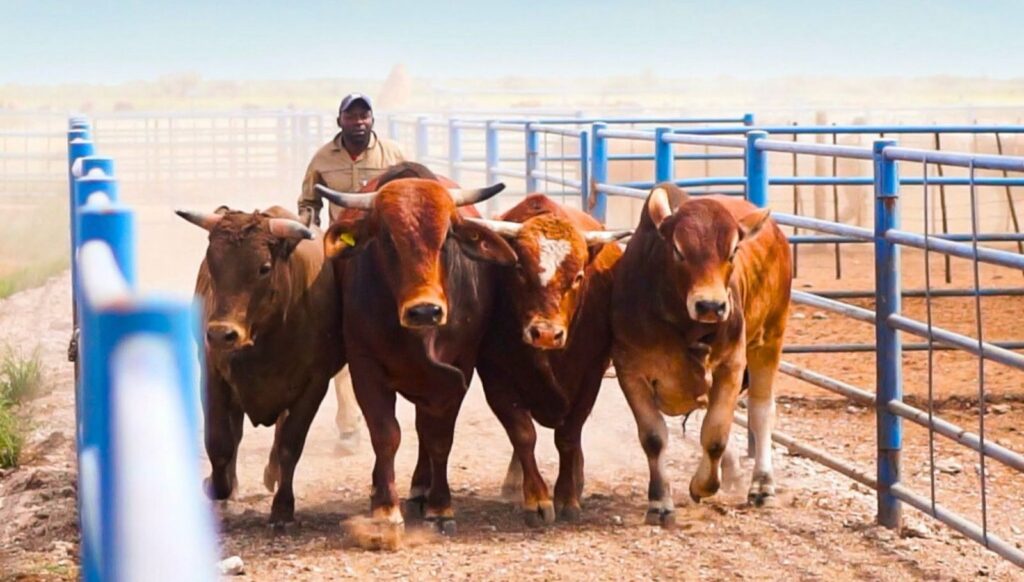
Beefcor Namibia: FMD Prompts 393 Job Cuts Amid EU Ban
Summary
- Beefcor Meat Suppliers is considering retrenching 393 workers at its Okahandja abattoir.
- This decision stems from the ongoing foot-and-mouth disease (FMD) outbreak affecting slaughtering and beef exports in Namibia.
- The European Union recently suspended imports of certain Namibian meat due to the FMD outbreak.
- Beefcor is among the companies directly impacted by the EU's import ban.
What Happened
The potential retrenchment of 393 individuals highlights the direct human cost of animal disease outbreaks and subsequent trade restrictions, impacting numerous families and local economies.
Namibian meat processor Beefcor Meat Suppliers is contemplating a significant reduction in its workforce, with plans to potentially retrench 393 employees at its Okahandja abattoir. This drastic measure is a direct consequence of the persistent foot-and-mouth disease (FMD) outbreak currently affecting the nation's livestock sector. The ongoing FMD crisis has severely hampered both domestic slaughtering operations and the vital export of beef products from Namibia, creating substantial operational and financial pressures for the company.
Adding to the operational challenges, the European Union (EU) recently announced a suspension of imports for certain Namibian meat products. This decisive action by the EU was taken in direct response to the confirmed FMD outbreak within Namibia's borders, highlighting international concerns over animal health. Beefcor is identified as one of the key companies directly impacted by this new trade restriction, further exacerbating the economic pressures that have led to the proposed job cuts. The confluence of domestic disease control measures and international trade barriers has created an untenable situation for the company's current staffing levels and export capabilities.
Regulatory and Trade Landscape
The FMD outbreak has triggered a series of critical responses from international trade bodies, exemplified by the EU's recent import ban. Such bans are standard protocols designed to safeguard animal health and food safety within importing regions, but they carry profound implications for exporting nations. The suspension of EU meat imports from Namibia directly affects the market access for high-value beef products, which represent a crucial revenue stream for companies like Beefcor and the broader Namibian economy.
This development underscores the stringent requirements of agricultural trade law, particularly concerning sanitary and phytosanitary measures that govern global food trade. Namibia's meat industry, including operations at the Beefcor Okahandja facility, must adhere meticulously to these international standards to maintain market access and ensure product integrity. The current FMD situation demonstrates how quickly animal disease outbreaks can disrupt established trade relationships and necessitate immediate, costly adjustments in production and export strategies, placing significant strain on local producers and their workforces.
Economic and Labor Implications
The contemplation of Beefcor job cuts represents a significant economic blow, particularly for the Okahandja community where the abattoir stands as a major employer. The potential retrenchment of 393 individuals highlights the direct human cost of animal disease outbreaks and subsequent trade restrictions, impacting numerous families and local economies. Companies facing such difficult circumstances must meticulously navigate Namibian labour law pertaining to retrenchment, ensuring all legal requirements for consultation, notice periods, and severance are strictly followed to mitigate further hardship.
Beyond the immediate impact on Beefcor's employees, this situation signals broader vulnerabilities within Namibia's agricultural export sector. The reliance on international markets, especially for high-value products like beef, means that outbreaks of diseases like FMD can have cascading effects across the entire economy, affecting supply chains and investor confidence. Managing these multifaceted risks, from proactive disease prevention and control to robust compliance with international agricultural trade law, becomes paramount for the long-term stability of the industry and the livelihoods it supports across Namibia.
Practical Implications
This development signals increased labour law and trade compliance risks for Namibian agricultural exporters, particularly in the meat sector. Lawyers should advise clients on managing potential retrenchment processes and navigating trade restrictions arising from disease outbreaks like FMD.
Source
How does this affect you?
Get an AI analysis of this article grounded in your jurisdictions, practice areas, and any policy documents you've uploaded to Wansom.
Finish Reading the Full Story and the Expert Analysis.
Get the latest legal & regulatory intelligence in Namibia
Wansom is AI and can make mistakes.