
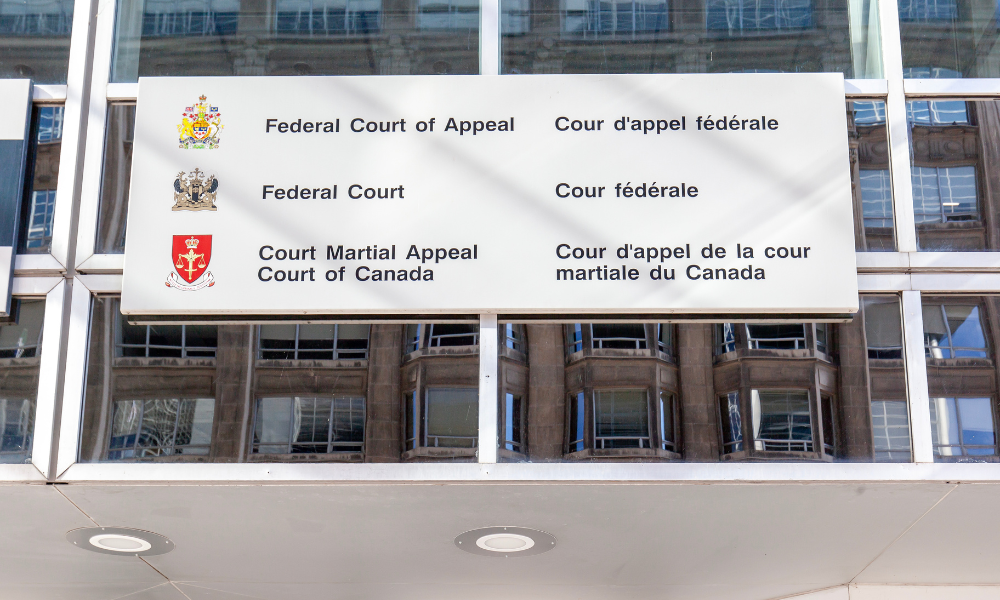
BCMEA v ILWU: No Collective Agreement During Illegal Strike
Summary
- The BCMEA and ILWU had no collective agreement during the ILWU's illegal strike.
- The CIRB found that there was no active collective agreement between the parties when the strike occurred.
- The Federal Court of Appeal affirmed the CIRB's decision, ruling that the Labour Code provisions supported this conclusion.
- The appeal court noted that the ILWU's failure to provide a fresh 72-hour strike notice made its actions illegal.
- This decision may have implications for employers in similar situations and highlights the importance of adhering to Labour Code regulations.
What Happened
The CIRB carefully weighed the opposing positions, explained why it preferred one interpretation over the other, gave thorough and intelligible reasons, and reached a rational and internally coherent conclusion that was available under the statutory scheme.
The BCMEA and ILWU were in a precarious situation after their collective agreement expired on March 31, 2023. The parties had been unable to negotiate a renewal agreement, despite the BCMEA's notice to bargain on November 30, 2022. This led to a statutory cooling-off period, during which time the ILWU obtained the right to strike legally. However, instead of following the proper procedures, ILWU members participated in an illegal strike from July 18-19, 2023, without providing a fresh 72-hour strike notice. The BCMEA sought damages for the ILWU's actions and referred the issue to a labour arbitrator, who in turn sent it to the Canada Industrial Relations Board (CIRB). The CIRB ultimately found that there was no collective agreement in force during the illegal strike.
Legal Context
The Labour Code provisions at play are crucial to understanding this case. Section 89(1) of the Code outlines the requirements for a strike notice, strike vote, or settlement of issues prior to a legal strike. The CIRB carefully weighed the opposing positions and explained why it preferred one interpretation over the other. This decision was made in line with the relevant case law and supported by the pertinent provisions of the Labour Code. The appeal court's ruling affirms that the CIRB reasonably ruled that no active collective agreement existed during the illegal strike.
Why It Matters
The implications of this decision are significant for employers in similar situations. Lawyers and compliance officers should review their collective bargaining agreements to ensure compliance with relevant Labour Code provisions. The Federal Court of Appeal's decision may have far-reaching consequences, particularly for those who fail to follow the proper procedures when dealing with labour disputes. This ruling serves as a reminder that employers must be vigilant in adhering to the Labour Code and its regulations.
Practical Implications
Lawyers and compliance officers should be aware that the Federal Court of Appeal's decision may have implications for employers in similar situations, and they should review their collective bargaining agreements to ensure compliance with relevant Labour Code provisions.
Source
How does this affect you?
Get an AI analysis of this article grounded in your jurisdictions, practice areas, and any policy documents you've uploaded to Wansom.
Wansom is AI and can make mistakes.