
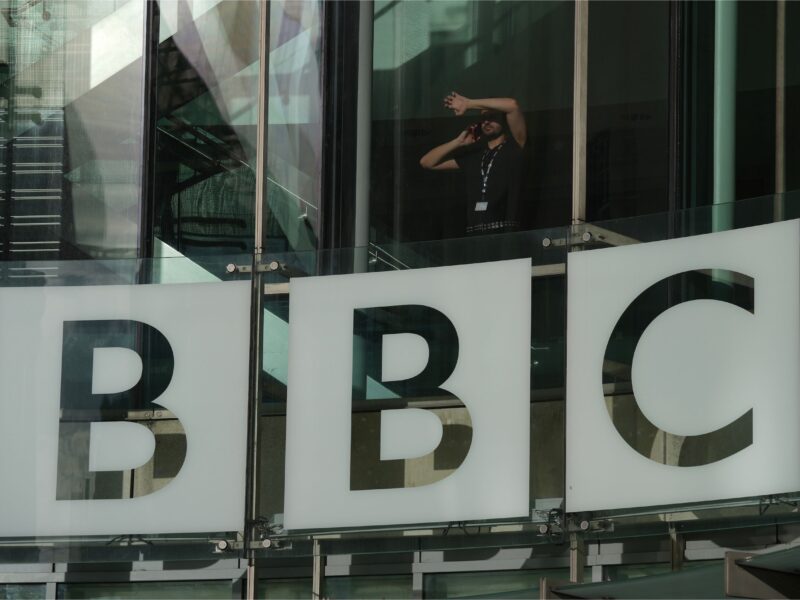
BBC: Seeks Jurisdictional Dismissal of Trump Defamation Florida Suit
Summary
- The BBC is seeking to dismiss a $10 billion defamation lawsuit filed by Donald Trump in a Florida federal court.
- Trump alleges a BBC documentary falsely suggested he encouraged January 6th rioters and interfered with the 2024 election.
- The BBC argues the Florida court lacks personal jurisdiction because the documentary was not produced or aired in Florida, and no Florida viewers were identified.
- The broadcaster also contends Trump cannot prove actual malice or harm, and the documentary is protected by First Amendment free speech principles.
- The case highlights challenges in establishing jurisdiction over foreign media for online content and the application of U.S. defamation law.
What Happened
Allowing this litigation to proceed, the BBC warns, would fundamentally alter established personal jurisdiction jurisprudence, setting a problematic precedent for foreign companies with an online presence.
The British Broadcasting Corporation (BBC) is actively seeking the dismissal of a $10 billion defamation lawsuit filed by President Donald Trump in a Florida federal court. The legal action stems from a BBC documentary, aired shortly before Trump's 2024 re-election campaign, which he claims conveyed a "false message" suggesting he encouraged individuals involved in the January 6th Capitol events. Trump alleges the documentary was an attempt to "interfere in and influence the election’s outcome to President Trump’s detriment."
The documentary featured an edited segment of a speech Trump delivered prior to the January 6, 2021, events. According to Trump, this edited portion created a misleading impression that he incited violence by using statements such as, "we’re going to walk down to the Capitol," "and I’ll be there with you," and "we fight, we fight like hell and if you don’t fight like hell, you’re not going to have a country anymore." The lawsuit, targeting the BBC for defamation, was initiated in 2025 within Florida's federal judicial system.
In response, the BBC, represented by attorney Charles Tobin of D.C.-based Ballard Spahr, has mounted a robust defense, arguing that the Florida federal court lacks the necessary jurisdiction to adjudicate the claims. The media organization also contends that Trump's allegations fail to meet the legal standards for defamation, particularly regarding the requirement to demonstrate actual malice or tangible harm. The BBC maintains that its documentary, intended for UK audiences, aimed to explain the foundations of Trump's support, with the editing serving to clarify his message and its reception by his supporters.
Jurisdictional Challenge
A central pillar of the BBC's defense against the Trump $10 billion defamation lawsuit is its argument concerning personal jurisdiction. The British broadcaster asserts that the Florida federal court in Miami is an inappropriate venue for the case, primarily because the documentary was neither produced nor aired within the state of Florida. Furthermore, the BBC contends that Trump has been unable to identify a single individual in Florida who viewed the documentary, undermining any claim of direct impact within the state.
The BBC emphasized that it undertook significant measures to prevent the documentary from being viewed in the United States via unauthorized streaming channels. The organization argues that compelling it to defend itself in Florida would impose an undue burden, given that its relevant employees and all pertinent documents are located in the United Kingdom. This BBC personal jurisdiction argument highlights the evolving challenges of establishing personal jurisdiction over foreign entities for online content.
Allowing this litigation to proceed, the BBC warns, would fundamentally alter established personal jurisdiction jurisprudence, setting a problematic precedent for foreign companies with an online presence. This aspect of the case underscores the complexities foreign media online jurisdiction presents in the digital age, particularly when content is not explicitly targeted at a specific U.S. state.
First Amendment and Defamation Standards
Beyond its jurisdictional objections, the BBC also argues that Trump's defamation claims lack merit, asserting that he cannot plausibly demonstrate either harm or that the documentary was published with actual malice. The actual malice defamation standard requires a plaintiff to prove that the publisher knew the information was false or acted with reckless disregard for the truth, a high bar for public figures.
The BBC further invokes the First Amendment news media protection, stating that the documentary contains protected expressions of opinion, including those from Trump's ardent supporters. It argues that the content addresses hotly contested events related to presidential elections, such as January 6th, which have been subjects of extensive public controversy and litigation. The broadcaster suggests that even if the documentary could reasonably be interpreted as reporting that Trump encouraged violence on January 6th, this constitutes an opinion on a matter of public concern, which is heavily protected under defamation law.
The media company also points to a potential "chilling effect," noting Trump's history of repeatedly suing news organizations over coverage of his political career. This defense underscores the importance of free speech in reporting on political figures and events, particularly when those events are of significant public interest and debate.
Broader Context and Implications
This case, involving a BBC jurisdictional dismissal Trump defamation Florida, carries significant implications for international media organizations and their online content. Lawyers and compliance officers advising international clients with an online presence should closely monitor this case for precedents regarding jurisdictional defenses, the applicability of US defamation law, and the scope of the First Amendment when content is not directly targeted or aired within a specific U.S. state.
The factual backdrop to the lawsuit includes Trump's electoral success following the documentary's airing. He secured his presidential re-election on November 5, 2024, and notably carried Florida by a commanding 13-point margin, an improvement over his 2016 and 2020 results. This context could be relevant to the BBC's argument that Trump suffered no demonstrable harm.
Furthermore, at the time the documentary aired, Trump had already faced four charges related to his alleged attempts to overturn the 2020 election. These charges included various accusations concerning his connection to the U.S. Capitol riot on January 6, 2021. This pre-existing legal and public scrutiny surrounding the events of January 6th forms a crucial part of the public discourse that the BBC's documentary aimed to explain to its audience.
Practical Implications
This case highlights the evolving challenges of establishing personal jurisdiction over foreign entities for online content, particularly for media companies. Lawyers and compliance officers advising international clients with an online presence should monitor this case for precedents regarding jurisdictional defenses, the applicability of US defamation law, and the First Amendment's scope when content is not directly targeted or aired within a specific US state.
Source
How does this affect you?
Get an AI analysis of this article grounded in your jurisdictions, practice areas, and any policy documents you've uploaded to Wansom.
Wansom is AI and can make mistakes.