
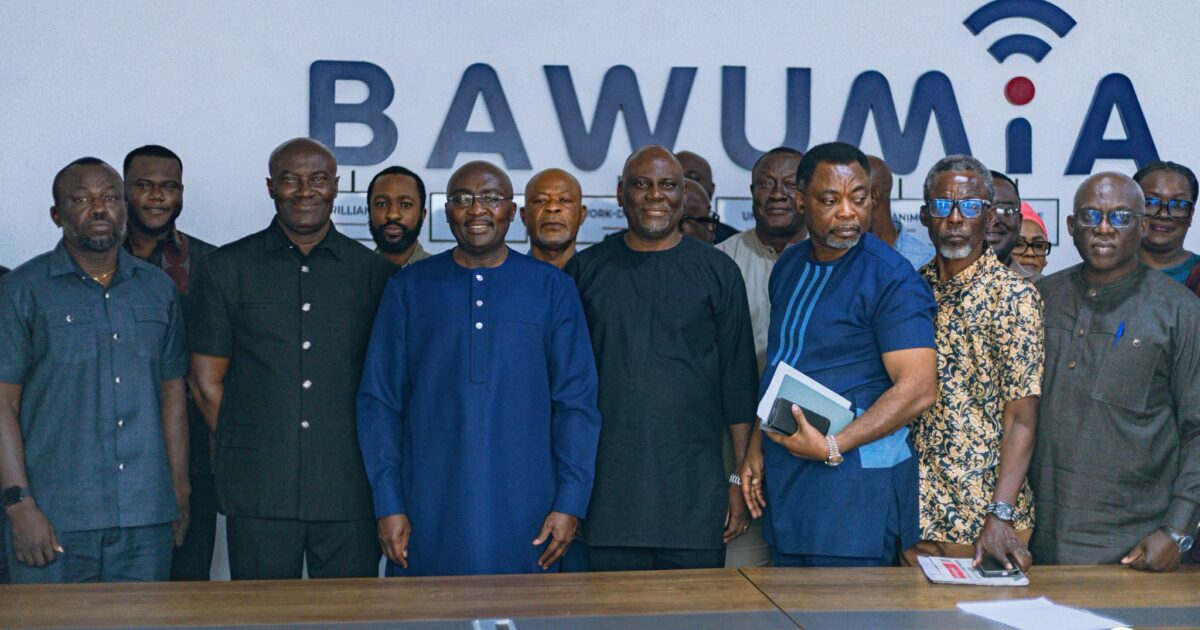
Bawumia, GUTA Address Ghana Import Duties, VAT Concerns
Summary
- Dr. Mahamudu Bawumia met with the Ghana Union of Traders’ Associations (GUTA) to discuss challenges facing traders.
- GUTA highlighted issues including high import duties, rising demurrage, and a reported 20% VAT increase for informal sector operators.
- Concerns were also raised about limited access to EXIM loans, high shop rents, goodwill payments, and foreign nationals in retail trade.
- Discussions explored shifting Ghana from import dependence to local production and identifying incentives for domestic manufacturing.
- The engagement is part of broader efforts to improve the business environment and support private sector growth.
High-Level Dialogue on Trade Challenges
Lawyers and compliance officers should monitor upcoming policy discussions and potential legislative changes regarding import duties, VAT rates, and regulations affecting foreign participation in Ghana's retail sector to advise clients on compliance and financial planning.
Dr. Mahamudu Bawumia, the New Patriotic Party's flagbearer for the 2028 elections and former Vice President, recently engaged in discussions with the Ghana Union of Traders’ Associations (GUTA) to address significant challenges impacting the nation's trading sector. The meeting, which Dr. Bawumia characterized as productive, focused on a range of issues, including the burden of high import duties, escalating demurrage charges, and the overall rising cost of conducting business in Ghana.
During the talks, GUTA executives and representatives presented a comprehensive overview of their concerns. These included a reported 20% increase in Value Added Tax (VAT) for informal sector operators, difficulties in accessing EXIM loans, and the financial strain imposed by high shop rents and goodwill payments. The dialogue between Dr. Bawumia and GUTA provided crucial insights into the operational difficulties faced by traders, with the association also putting forward specific proposals aimed at mitigating these issues.
Economic Vision and Policy Direction
A central theme of the discussions was Ghana's strategic shift from a reliance on imported goods towards fostering robust local production. Dr. Bawumia and the traders explored various incentives designed to encourage businesses to manufacture more goods domestically. This initiative is envisioned as a pathway to stimulate job creation and expand economic opportunities for Ghanaian enterprises, thereby strengthening the national economy.
This engagement forms a critical component of broader policy conversations aimed at enhancing the overall business environment. The objective is to alleviate operational pressures on businesses and to actively support both domestic production and the growth of the private sector. Such policy measures are deemed essential for sustainable economic development and for ensuring the competitiveness of Ghanaian businesses on both local and international fronts.
Regulatory and Market Concerns
The meeting highlighted several pressing regulatory and market concerns that significantly affect Ghana business costs. Among these, the issue of high import duties remains a primary point of contention for traders, directly impacting the pricing and availability of goods. The reported increase in VAT to 20% for informal sector operators also signals a potential rise in compliance complexities and financial burdens for a substantial portion of the trading community.
Furthermore, GUTA raised alarms regarding the increasing presence of foreign nationals in aspects of the Ghana retail trade, suggesting a competitive challenge for local businesses. This, alongside limited access to vital EXIM loans, high shop rents, and goodwill payments, collectively contributes to a challenging operational landscape. Lawyers and compliance officers should monitor upcoming policy discussions and potential legislative changes regarding import duties, VAT rates, and regulations affecting foreign participation in Ghana's retail sector to advise clients on compliance and financial planning.
Practical Implications
Lawyers and compliance officers should monitor upcoming policy discussions and potential legislative changes regarding import duties, VAT rates, and regulations affecting foreign participation in Ghana's retail sector to advise clients on compliance and financial planning.
Source
How does this affect you?
Get an AI analysis of this article grounded in your jurisdictions, practice areas, and any policy documents you've uploaded to Wansom.
Finish Reading the Full Story and the Expert Analysis.
Get the latest legal & regulatory intelligence in Ghana
Wansom is AI and can make mistakes.