
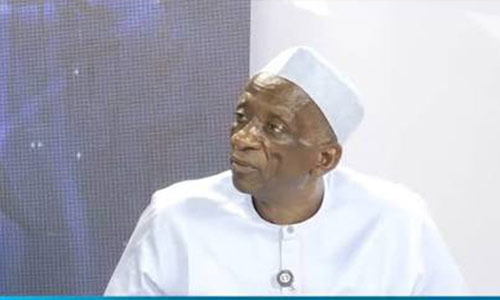
Federal High Court Katsina: Bashir Kurfi Defamation Case Adjourned to 2026
Summary
- The Federal High Court in Katsina has adjourned the alleged defamation case involving Dr. Bashir Kurfi.
- Dr. Kurfi, a security analyst and university lecturer, faces proceedings for defamation and injurious falsehood.
- The case was postponed to November 4, 2026, to allow his legal team to respond to a counter-affidavit.
- The counter-affidavit was filed by some of the respondents in the case.
- The Academic Staff Union of Universities (ASUU) has expressed solidarity with Dr. Kurfi.
Court Adjourns Bashir Kurfi Defamation Case
The Federal High Court in Katsina has postponed the legal proceedings involving Dr. Bashir Kurfi, a prominent security analyst and university lecturer, until November 4, 2026.
The Federal High Court in Katsina has postponed the legal proceedings involving Dr. Bashir Kurfi, a prominent security analyst and university lecturer, until November 4, 2026. This significant adjournment was granted to provide adequate time for Dr. Kurfi's legal representatives to prepare and submit their response to a counter-affidavit that was recently filed by some of the parties named as respondents in the ongoing litigation. The decision underscores the procedural requirements inherent in complex legal disputes, ensuring all sides have an opportunity to present their arguments comprehensively.
Dr. Kurfi is currently facing serious allegations of defamation and injurious falsehood. These claims stem from various comments he reportedly made, which have now become the subject of judicial scrutiny. The case, therefore, centers on the veracity and impact of his public statements, as evaluated under the relevant legal frameworks governing reputational harm and false claims. The court's directive for a response to the counter-affidavit indicates a critical juncture in the pre-trial phase, where factual and legal positions are being solidified.
Legal Framework and Procedural Steps
The legal action against Dr. Bashir Kurfi involves claims of both defamation and injurious falsehood, distinct but related torts concerning false statements. Defamation typically addresses false statements that harm a person's reputation, while injurious falsehood, also known as trade libel or disparagement, targets false statements that cause economic loss to a person or their property. The proceedings before the Federal High Court Katsina will delve into whether Dr. Kurfi's reported comments meet the legal thresholds for these specific offenses, requiring proof of falsity, publication, and harm.
The recent adjournment specifically addresses the need for Dr. Kurfi's legal team to file a response to a counter-affidavit. In legal practice, a counter-affidavit is a sworn statement presented in opposition to an affidavit previously filed by an opposing party. It serves to refute claims, introduce new facts, or challenge the evidence presented by the other side. The court's decision to set a new deadline for this response highlights the importance of due process and the right of every party to adequately prepare their case, particularly when faced with new submissions from the respondents. This procedural step is crucial for shaping the arguments that will ultimately be presented during the substantive hearings.
Broader Implications and Solidarity
The ongoing Bashir Kurfi defamation case adjournment carries broader implications, particularly given Dr. Kurfi's standing as a university lecturer and security analyst. Cases involving public figures or academics often attract significant attention, not only for the specific legal outcomes but also for their potential impact on freedom of expression and academic discourse. The allegations of injurious falsehood proceedings against him raise questions about the boundaries of public commentary and the responsibilities that come with making statements in the public sphere.
Adding another layer of significance to the proceedings, the Academic Staff Union of Universities (ASUU) has publicly demonstrated its solidarity with Dr. Bashir Kurfi. This show of support from a prominent academic body underscores the perceived importance of the case within the academic community and beyond. Such solidarity can often signal concerns about the potential chilling effect that legal actions, particularly those related to alleged defamation, might have on academics and their ability to engage in critical analysis and public commentary without fear of undue legal repercussions. The November 4, 2026, date will be a key moment to watch for further developments in this closely observed legal battle.
Practical Implications
Lawyers monitoring defamation cases, particularly those involving public figures or academics, should note this procedural update. The adjournment to allow a response to a counter-affidavit highlights the ongoing litigation and the importance of timely legal responses in such matters, setting a new date to watch for further developments.
Source
How does this affect you?
Get an AI analysis of this article grounded in your jurisdictions, practice areas, and any policy documents you've uploaded to Wansom.
Finish Reading the Full Story and the Expert Analysis.
Get the latest legal & regulatory intelligence in Nigeria
Wansom is AI and can make mistakes.