
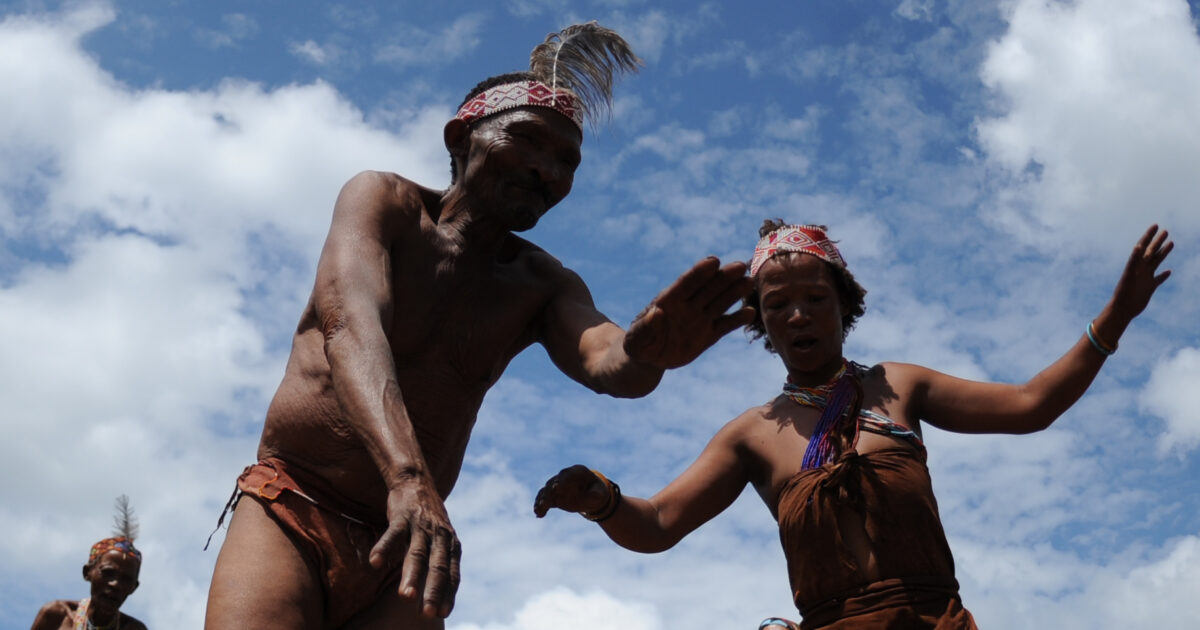
President Boko's Plan: CKGR Basarwa Resist Return of Others
Summary
- A report presented to President Boko indicates internal opposition to his plan for restoring ancestral land rights to Basarwa in the Central Kalahari Game Reserve.
- Basarwa currently residing in the CKGR fear losing control over territories they have occupied since past controversial relocations.
- These resident Basarwa oppose the return of fellow tribesmen who were also relocated, fearing disruption to their established land use.
- President Duma Boko's plan aims to restore ancestral land rights to the Basarwa in the Central Kalahari.
- The situation reveals complex internal divisions within the San people regarding land claims and restitution efforts.
Emerging Land Rights Dispute
Crucially, these Basarwa inhabitants of the CKGR are actively voicing their opposition to the proposed return of fellow tribesmen.
A significant challenge has emerged concerning President Duma Boko’s ambitious plan to restore ancestral land rights to the Basarwa community residing within the Central Kalahari Game Reserve (CKGR). A recent report, formally presented to the President, has brought to light an unexpected internal division that threatens to complicate the government's efforts to address historical land grievances. This development introduces a new dimension to the ongoing Botswana indigenous land rights dispute.
President Boko's administration has been working towards a comprehensive strategy aimed at rectifying past injustices by returning traditional land rights to the Basarwa, often referred to as the San people. This initiative is designed to reverse the effects of controversial relocations that displaced many members of the community. However, the report indicates that the path to restitution is not straightforward, as resistance is now surfacing from within the very group intended to benefit from these measures.
Internal Community Divisions
The core of this complex issue, as detailed in the presidential report, centers on the deep-seated apprehension among Basarwa individuals who are already established within the CKGR. These residents have maintained their presence and occupied specific territories since the period of the controversial relocations. Their primary concern revolves around the potential loss of their current control and established usage patterns over these lands, should President Boko’s plan proceed as initially envisioned.
Crucially, these Basarwa inhabitants of the CKGR are actively voicing their opposition to the proposed return of fellow tribesmen. These are individuals who were also subjected to relocation efforts in the past and are now slated to return to the Central Kalahari Game Reserve Basarwa ancestral lands under the government's restoration plan. The report underscores that the fear among the current inhabitants is that an influx of returning individuals could significantly disrupt their existing territorial claims and communal structures, leading to a potential San people internal conflict over resources and space.
Implications for Indigenous Land Claims
This unforeseen internal opposition introduces a profound layer of complexity to the broader discourse surrounding indigenous land rights in Botswana. While the government's stated intention is to right historical wrongs and empower the Basarwa community, the report highlights that such restitution efforts must meticulously navigate intricate social dynamics and pre-existing claims that have evolved within indigenous groups themselves over time. The situation within the CKGR Basarwa community serves as a potent example of how well-intentioned land plans, even those designed for restorative justice, can inadvertently trigger significant internal community friction.
The findings suggest that any comprehensive approach to land rights restoration must extend beyond merely addressing the initial displacement. It necessitates a thorough understanding and careful consideration of the evolving circumstances, established tenures, and the socio-economic realities of those who either remained in the area or returned independently prior to the current plan. This nuanced perspective is vital to ensure that the restoration of ancestral land rights achieves its intended goal of justice and stability, rather than inadvertently creating new forms of conflict among the San people. The "CKGR Basarwa resist return others" situation is a critical case study for indigenous land rights globally.
Practical Implications
Lawyers advising on land rights, indigenous claims, or resource development in Botswana should note the internal community divisions among Basarwa in the CKGR, as these complexities can significantly impact the feasibility and legal enforceability of land restitution plans or agreements.
Source
How does this affect you?
Get an AI analysis of this article grounded in your jurisdictions, practice areas, and any policy documents you've uploaded to Wansom.
Finish Reading the Full Story and the Expert Analysis.
Get the latest legal & regulatory intelligence in Botswana
Wansom is AI and can make mistakes.